Ripple Cements Singapore Presence with MPI License
Ripple, a San Fransisco-based blockchain company, has cemented its position in Southeast Asia by securing a Major Payments Institution (MPI) license from the Monetary Authority of Singapore (MAS).Ripple Gains a New Licen...
Archive context
Older archive item. Useful for background and entity history, but not a fresh market-moving signal.

Ripple, a San Fransisco-based blockchain company, has cemented its position in Southeast Asia by securing a Major Payments Institution (MPI) license from the Monetary Authority of Singapore (MAS).
Ripple Gains a New License in Singapore
Announced today (Wednesday), the license has been granted to the local subsidiary of the US-headquartered company, Ripple Markets APAC Pte Ltd. Earlier in June, Ripple received an in-principle approval from the Singapore regulator for the MPI license.
“Since establishing Singapore as our Asia Pacific headquarters in 2017, the country has been pivotal to Ripple’s global business,” said Brad Garlinghouse, the Chief Executive Officer of Ripple. “We have hired exceptional talent and local leadership, doubling headcount over the past year, and plan to continue growing our presence in a progressive jurisdiction like Singapore.”
Meanwhile, Ripple came out victorious in its legal battle against the US securities regulator over the status of its token, XRP. The company further backed out from its plan to acquire Fortress Trust, a subsidiary of Fortress Blockchain Technologies that offers wallet and payment services.
Singapore – A Crypto Hub in Asia
Singapore, with its clear rules around digital currencies, has become a preserved jurisdiction for crypto companies. The positioning of Singapore makes it ideal for companies looking to expand their services in the broader and lucrative Southeast Asia region.
“Under MAS’ leadership, Singapore has developed into one of the leading fintech and digital asset hubs, striking the balance between innovation, consumer protection, and responsible growth,” Garlinghouse added.
Recently, Coinbase, a cryptocurrency exchange, and Sygnum, a Swiss crypto bank, both received MPI licenses to offer regulated services in Singapore. Similar to Ripple, both these companies received in-principal approval before acquiring the full license. Other companies that secured this license include Payoneer, Blockchain.com, and TerraPay.
Apart from blockchain-based services, Singapore is seen as a critical market for other financial services as well. Recently, London-headquartered brokerage CMC launched its spinoff share trading services, called CMC Invest, in Singapore. The service was launched last October and is available in the United Kingdom and Australia.
This article was written by Arnab Shome at www.financemagnates.com.Why this matters
This altcoin story adds another data point to the current market tape and is useful when read alongside nearby source coverage.
Original source
Read on Finance MagnatesRelated market context

XRP News: Brevan Howard Deal Broadens Ripple’s Scope
Ripple Prime will provide Brevan Howard funds with multi-asset prime brokerage, clearing, and financing across traditional and dig...

OSL Brings A USDGO Market-Neutral Fund On-Chain For Hong Kong Investors
TL;DR: OSL Group has tokenized the USDGO Plus SP fund on-chain and is providing custody and distribution through its licensed Hong...

China’s P2P stablecoin wallets surge 43x, Korea’s $450B crypto economy: Asia Express
Despite ongoing bans, China has seen a big surge in peer-to-peer stablecoin use. New figures show South Korea’s $450B crypto econo...
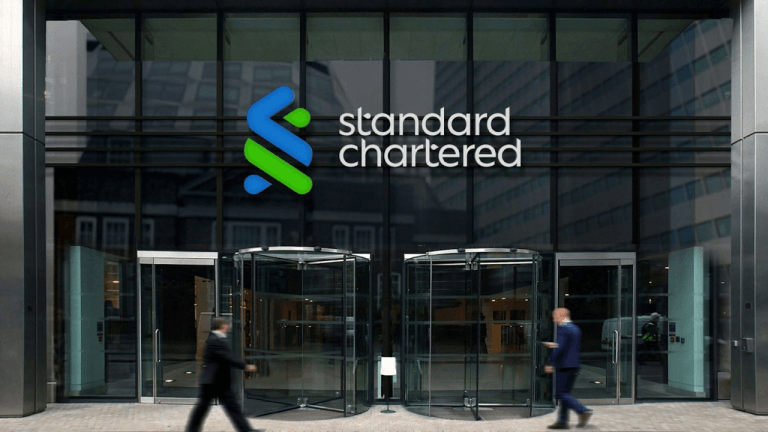
Banking Giant Standard Chartered Expands Crypto Custody to Singapore
Standard Chartered is preparing to bring institutional crypto custody to Singapore, expanding its digital asset operations into an...
USDT’s grip on Asia-Pacific stablecoin payments loosens to 91%
The shift towards compliance-focused stablecoins in Asia-Pacific may signal a broader trend of regulatory integration influencing...
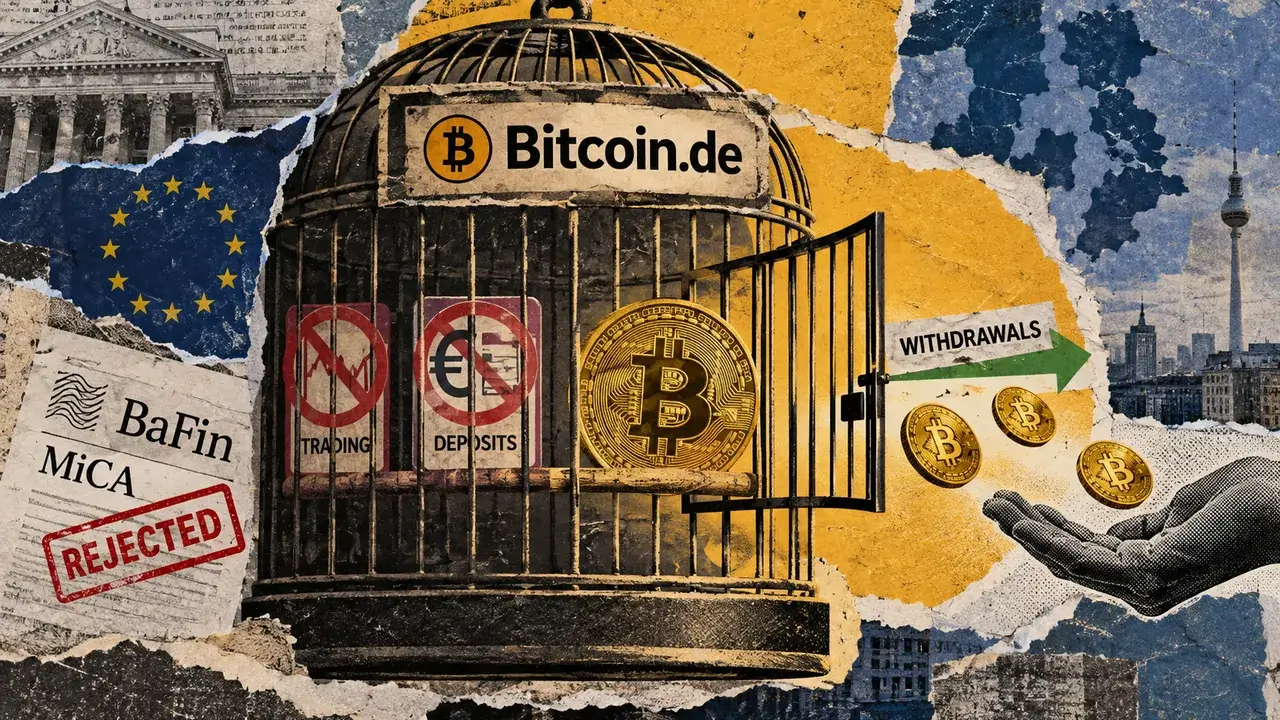
MiCA rejection forces German crypto platform into operational overhaul
Bitcoin.de is rebuilding its operating model after German regulators rejected its MiCA authorization, forcing it to outsource trad...