Robinhood Vs. AMC: Vlad Tenev Responds to Tokenized Stock Criticism
Robinhood CEO Vlad Tenev said public companies should not be able to veto tokenized stock products that create separate financial instruments without changing shareholder rights, issuer obligations, or a company’s offici...
Watchlist
Archive context. The story has cross-source confirmation.

Robinhood CEO Vlad Tenev said public companies should not be able to veto tokenized stock products that create separate financial instruments without changing shareholder rights, issuer obligations, or a company’s official shareholder ledger.
The comments, posted on X, responded to criticism from AMC Entertainment CEO Adam Aron over Robinhood’s AMC-linked tokens and highlighted a dispute over the structure and rights associated with tokenized stock products.
This latest drama for Robinhood comes as the firm’s Layer-2 network approaches $1Bn in Total Value Locked (TVL) and the on-chain stablecoin market cap recently surpassed $1Bn.
Robinhood CEO Vlad Tenev responds to AMC's Adam Aron.
Tenev says they won't be hugging it out anytime soon, but is open to a call and loves a good debate. pic.twitter.com/eIjS4DHdhH
Tenev said issuer consent depends on whether a tokenized product changes the rights attached to the underlying shares, creates new obligations for the company or its transfer agent, or replaces the authoritative shareholder record. Where those conditions apply, he said the issuer should be involved.
By contrast, Tenev said issuer consent should not be required when a product creates a separate financial instrument that holds or references freely transferable shares without changing the issuer’s rights, obligations or shareholder record. His position distinguishes a tokenized product from the underlying shares and focuses on the rights and obligations the product creates.
Tenev also compared the issue with existing financial instruments that can reference public shares, including options, unsponsored American depositary receipts, and structured products. His argument is that moving a product onchain should not itself give an issuer control over a separate instrument tied to freely transferable shares.
AMC CEO Urges Robinhood to Halt AMC Stock Token Trading, Questions Legality
AMC Entertainment CEO Adam Aron criticized Robinhood’s AMC Stock Token, saying AMC has no connection to, authorization of, or endorsement of the product. He described the practice as “contemptible,… pic.twitter.com/1XIRMysQYk
Robinhood says its Stock Tokens use a third-party structure in which separately issued instruments are backed 1:1 by underlying shares. The products provide buyers with economic exposure to stocks and exchange-traded funds without placing token holders on an issuer’s shareholder register or changing the rights attached to the company’s stock.
That distinction is central to the disagreement with AMC. Aron criticized Robinhood’s AMC-linked offerings on Sept. 4, saying that AMC had no affiliation with the products and that he would ask securities counsel to review them.
Tenev’s subsequent comments outlined Robinhood’s response: products that leave shareholder rights, company obligations, and the official shareholder record unchanged should be treated differently from products that seek to alter those elements. These differing views focus on what token holders receive and how the instrument is structured.
Gain Access to New Bitcoin Layer 2 Early HereIs the Robinhood-AMC Dispute a Broader RWA Tokenization Problem?SOURCE: DefiLlamaThe Robinhood-AMC dispute reflects a broader question for RWA tokenization: whether blockchain-based products linked to publicly traded shares should be treated as shares themselves or as separate financial products.
The answer can affect what rights buyers receive, whether they appear on a company’s shareholder record, and whether the issuer participates in the product.
The evidence describes several approaches to putting stock exposure on blockchains, including synthetic products, conventional shares held by custodians, and issuer-backed shares recorded directly on-chain.
Those approaches can confer different rights on buyers, making the product’s structure a central consideration rather than simply whether it uses blockchain technology.
Robinhood is interested in expanding its tokenized-stock model. A Bernstein projection cited in reporting estimated that Robinhood Chain could generate $160M in annual fees by 2028.
Earn $50 and Enter $300K Prize Draw on EdgeXThe post Robinhood Vs. AMC: Vlad Tenev Responds to Tokenized Stock Criticism appeared first on Cryptonews.
Why this matters
Robinhood is showing up inside the Stablecoins theme, so this story is worth tracking for follow-through rather than treating it as a one-off headline.
Original source
Read on CryptonewsRelated market context

OKX Eyes 63 U.S. Stocks in Major Tokenized Trading Expansion
Key Takeaways: OKXICE informed the SEC about its plan to establish an online platform called “Tokenized Securities Venue” that wou...
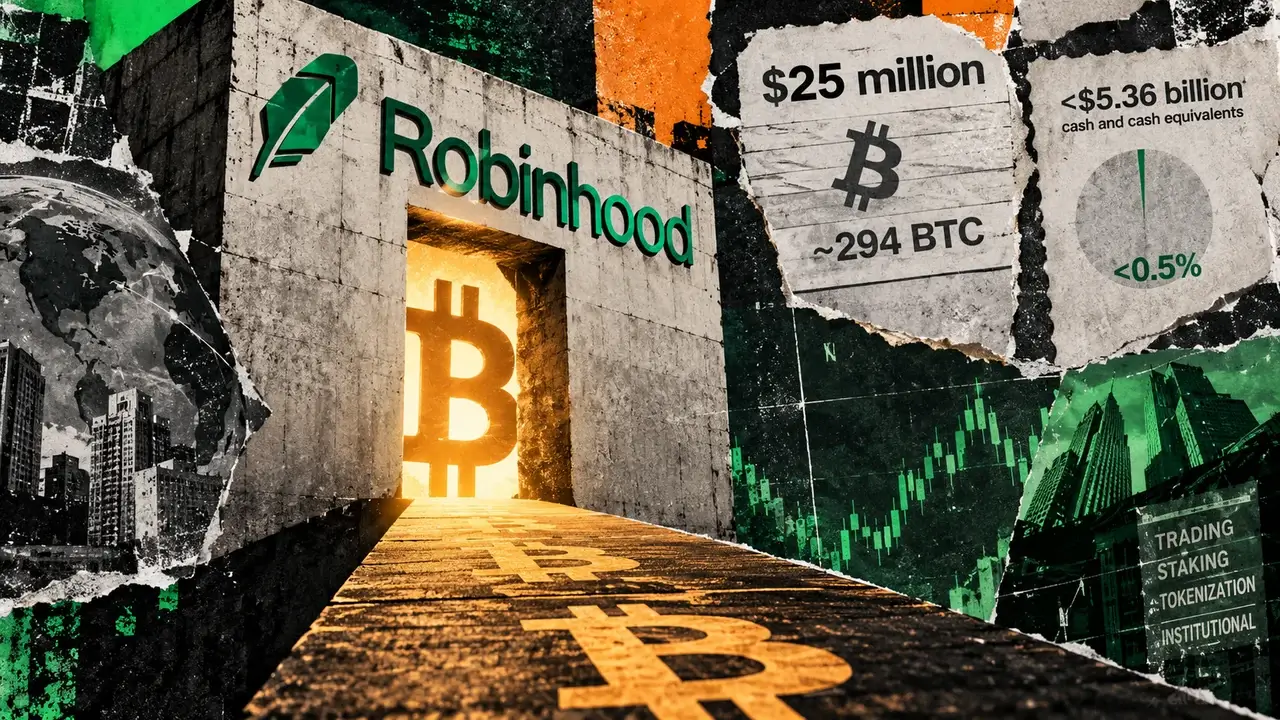
Robinhood adds $25 million of Bitcoin to its own balance sheet
Robinhood is adding $25 million of Bitcoin to its balance sheet after executives previously debated whether corporate crypto holdi...

Tether Celebrates 12 Years, USD₮ Surpasses 700M Users
Key Takeaways: Tether marked the 12th anniversary of the world’s largest stablecoin by market cap, USD₮. The company claims that U...

XRP News: XRPL $2.2B Tokenization Depends on Energy Token
In major XRP news today, XRPL reported lead in tokenized commodities rests heavily on a single Justoken energy token: RWA.xyz list...

Tether signs MoU with Kazakhstan’s central bank to explore tenge stablecoins and tokenized assets
Kazakhstan's collaboration with Tether could enhance its fintech landscape, potentially boosting local currency integration in dig...

StablecoinX shares go tokenized on Binance’s bStocks platform
Tokenized trading on bStocks enhances market accessibility but raises concerns about price alignment and interconnected financial...