91% of Cryptos From 2014 Have Died, While Bitcoin Continues To Thrive
The visualization of altcoin deaths shows Bitcoin is the sole standout project amongst various failed scams and “projects.”A recent report by CoinKickoff demonstrates the failures of various altcoin projects throughout t...
Archive context
Older archive item. Useful for background and entity history, but not a fresh market-moving signal.
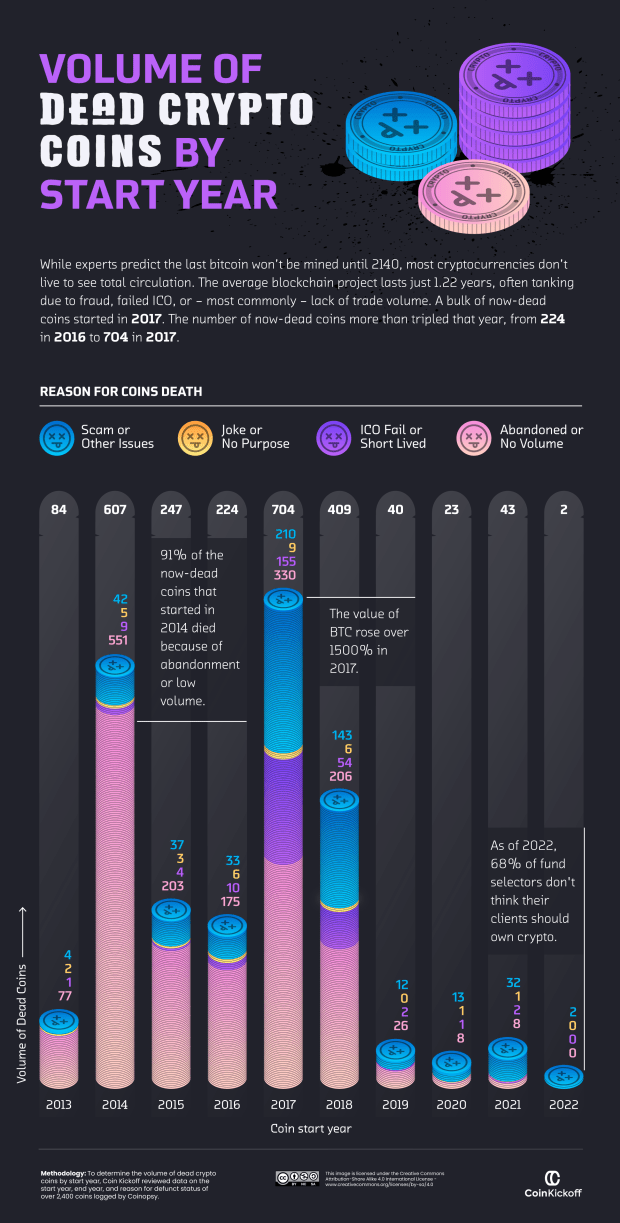
The visualization of altcoin deaths shows Bitcoin is the sole standout project amongst various failed scams and “projects.”
A recent report by CoinKickoff demonstrates the failures of various altcoin projects throughout the years, and how bitcoin is the standout survivor.
According to their data, 91% of the coins that were present for the 2014 cryptocurrency market crash are now entirely abandoned. A large portion of coins that are now dead were created in 2017, with 704 now-dead coins being created that year. The crown for the single most deadly year in cryptocurrency history goes to 2018, during which 751 coins became defunct.
A visualization created by CoinKickoff illustrates just how many of these projects came and went, along with their respective reasoning for failure. Reasons include being a scam or other related issues, being a joke or having no purpose, being an ICO or short-lived scheme, or simply running entirely out of volume.
Source: CoinKickoff
Bitcoin, in the midst of all this, has remained strong. Hash rate has continued a steady climb, now up to 270 EH/s according to Hashrate Index.
In addition, more than 1 million addresses now hold one bitcoin or greater, although it should be noted that Bitcoiners may use multiple addresses. Beyond that, over $14 trillion in annual transaction volume was carried over the Bitcoin network the past year, a 13,900% increase from 2015’s transaction volume.
And just as those metrics grew, the amount of bitcoin held on exchanges reached new lows, indicating that more Bitcoiners than ever are holding their coins in a sovereign way.
Metrics continue to demonstrate that, aside from the price of bitcoin, the network itself is continually growing, while altcoins which hope to ride on its coattails simply have no longevity. Bitcoin has proven its resilience by continuing on in the face of existential attacks like the Blocksize Wars, political challenges like the story of Silk Road and major exchange collapses like that of Mt. Gox or more recently, FTX. Even major hits to the network such as the drop in hash rate after China’s mining ban have proven to be simply speed bumps on Bitcoin’s path to dominance. These events only strengthen the narrative of Bitcoin as sovereign monetary policy built upon a network that is resistant to collapse.
Why this matters
This bitcoin story adds another data point to the current market tape and is useful when read alongside nearby source coverage.
Original source
Read on Bitcoin MagazineRelated market context

One year after 10/10, Bitcoin and Ether liquidity is back while altcoins lag
The crypto market's bifurcation highlights Bitcoin and Ether's institutional appeal, while altcoins face volatility and limited gr...
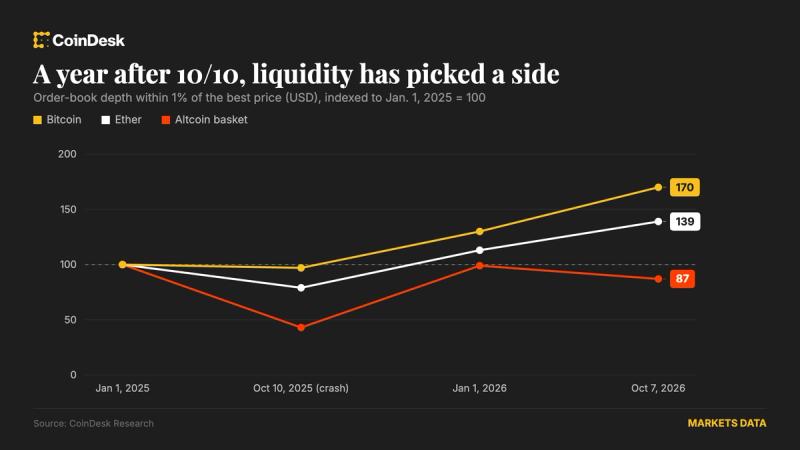
One year after 10/10, bitcoin and ether liquidity have rebuilt, but other altcoins still face risks
Bitcoin and ether order books are deeper than before the crash, while altcoin liquidity keeps eroding and spot trading remains wel...

WhiteBIT Integrates Lightning Network for Fast and Cheap Bitcoin Transactions
Bitcoin Magazine WhiteBIT Integrates Lightning Network for Fast and Cheap Bitcoin Transactions The Lightning Network continues to...

ETH fee burns cover just 2% of new coins printed in 2026
Ethereum's transaction fees have burned enough ETH to offset just 2.07% of the new coins issued in 2026, according to an Oct. 9 su...

Stealing $1.5B in crypto is easy, cashing out is the trap
North Korean hackers stole around $1.5 billion from Bybit in February 2025. While the hack itself has been widely covered and anal...

What Is Crypto Spot Trading?
For example, a token can be up 70% and still be a terrible trade if you have no idea when to take profits. Likewise, a 30% dip can...