A History Of Bitcoin Hard Forks
A lively conversation and response to Jameson Lopp’s recent article that researches the answer to the question, “Has Bitcoin Ever Hard Forked?”Listen To The Episode Here:AppleSpotifyGoogleLibsynOvercastIn this episode of...
Archive context
Older archive item. Useful for background and entity history, but not a fresh market-moving signal.

A lively conversation and response to Jameson Lopp’s recent article that researches the answer to the question, “Has Bitcoin Ever Hard Forked?”
Listen To The Episode Here:
In this episode of “Bitcoin, Explained,” hosts Aaron van Wirdum and Sjors Provoost discuss a recent blog post by Jameson Lopp titled, “Has Bitcoin Ever Hard Forked?”
Hard forks are generally defined as Bitcoin protocol upgrades that remove or loosen rules, making these types of upgrades backwards-incompatible. Van Wirdum and Provoost explain, however, that in his blog post, Lopp argues that this definition isn’t very precise and suggests that the term should only apply if the rule change was actually utilized. In addition, hard forks can be categorized into explicit hard forks, where the rule change was an intentional hard fork, and implicit hard forks, where the rule change wasn’t originally intended to be a hard fork at all but turned out to be one anyway.
In the second half of the podcast, van Wirdum and Provoost break down the seven hard forks in Bitcoin’s history that Lopp was able to find and discuss, five of which were never utilized (and should therefore arguably not be considered hard forks at all), one of them was explicit and another one was implicit.
To end the episode, van Wirdum and Provoost briefly discuss the “hard fork wish list” of future hard fork(s) that need(s) to happen in order to fix a time value bug, and what kind of philosophy around deploying hard forks might make sense for Bitcoin in regards to adding additional aspects to a necessary change in the code.
Why this matters
This bitcoin story adds another data point to the current market tape and is useful when read alongside nearby source coverage.
Original source
Read on Bitcoin MagazineRelated market context

DSA’s Adrian Wall and Former CFTC Chair Chris Giancarlo Discuss Future of U.S. Crypto Regulation at Strobe Summit
Washington, D.C., November 6, 2026 — The Digital Sovereignty Alliance (DSA), a nonprofit organization dedicated to advancing clear...

Bull Bitcoin Becomes First Exchange to Add Payjoin Privacy Deposits, Withdrawals, and Payjoin-by-Default Trading
Bitcoin Magazine Bull Bitcoin Becomes First Exchange to Add Payjoin Privacy Deposits, Withdrawals, and Payjoin-by-Default Trading...
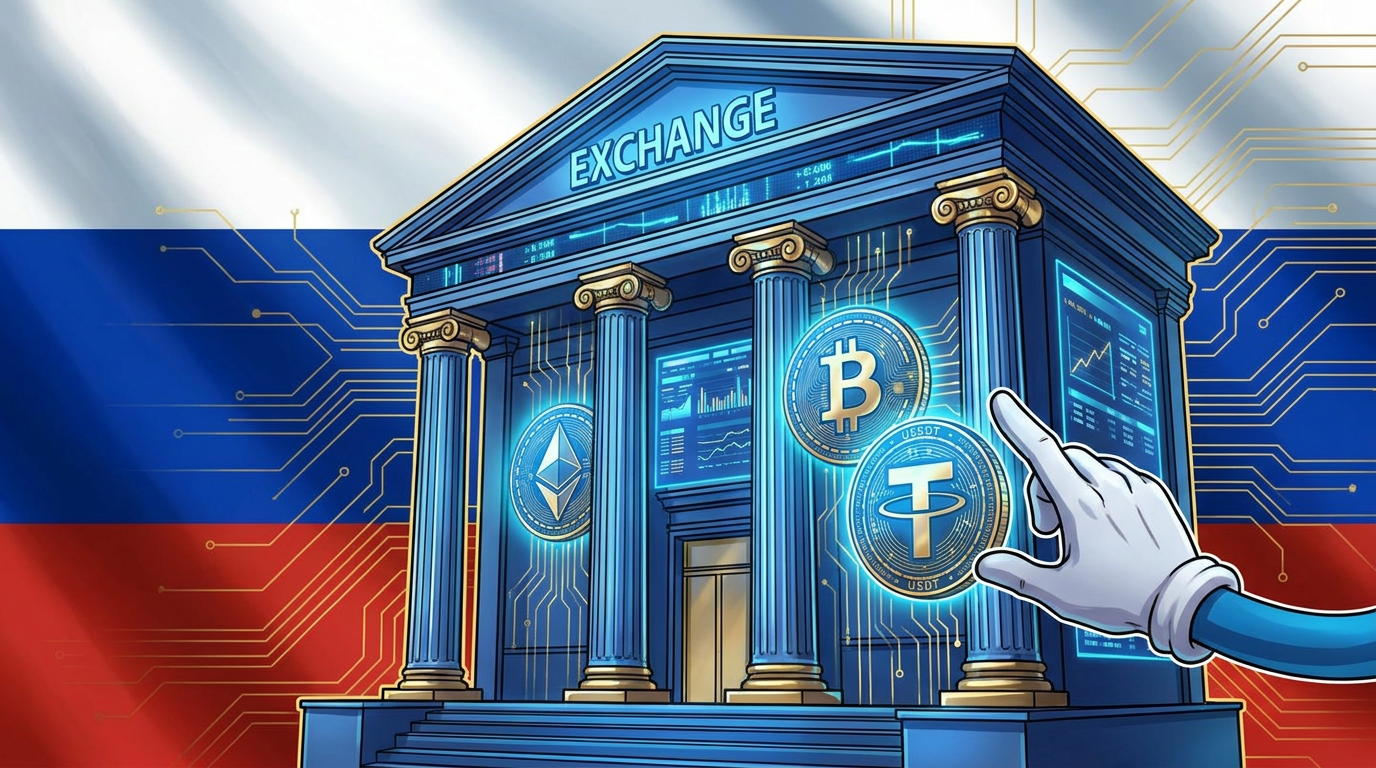
Russia finalizes crypto trading rules ahead of Nov. 17 rollout
The rules allow retail investors to trade BTC, ETH and USDT through regulated intermediaries, with Moscow Exchange planning to lau...

Binance-Controlled Korean Exchange GOPAX Stops Trading, Makes Users Email to Withdraw Crypto
Customers of GOPAX, a Korean exchange whose operator Streami is majority-owned by Binance, can now get crypto out only by emailing...
U.S.-Sanctioned Moscow Exchange Will List Bitcoin on Dec. 1 as Russia Pulls Crypto Trading Home
Bitcoin Magazine U.S.-Sanctioned Moscow Exchange Will List Bitcoin on Dec. 1 as Russia Pulls Crypto Trading Home Moscow Exchange,...
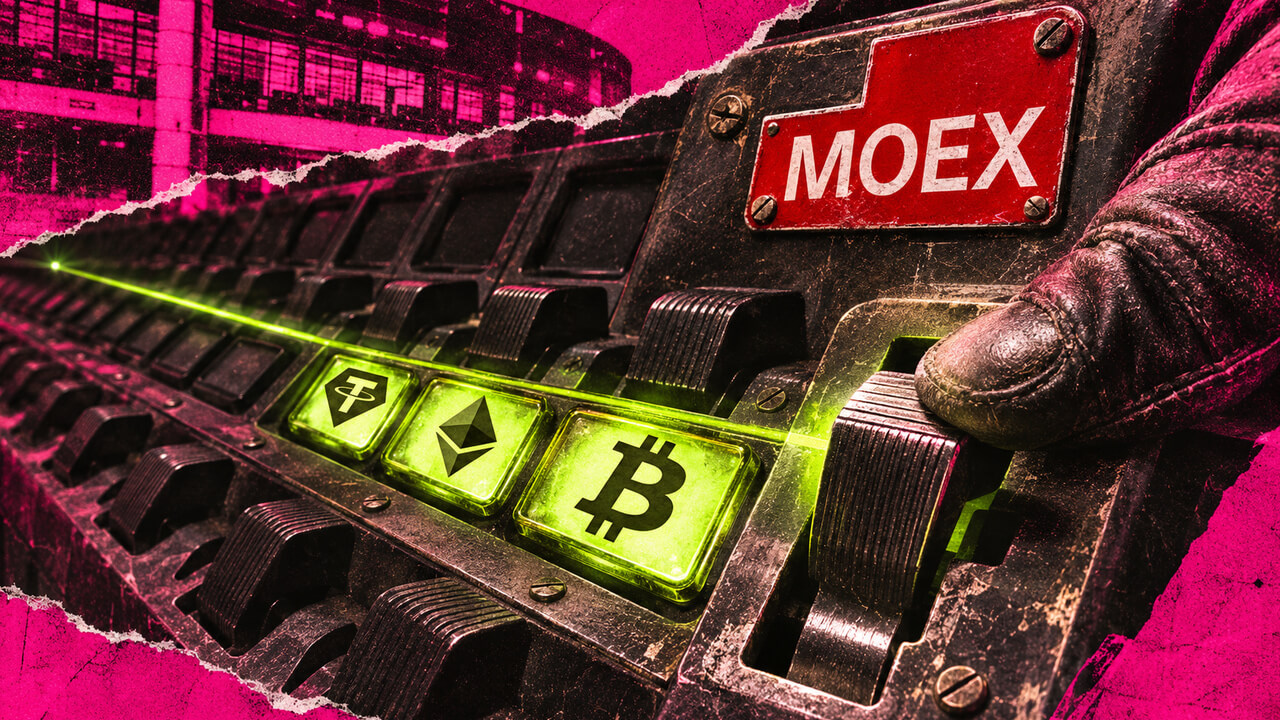
Moscow Exchange sets Dec. 1 to launch Bitcoin and Ethereum trading
Non-qualified buyers face a 300,000-ruble annual cap per intermediary and testing, while Moscow Exchange plans a December pilot. R...