Bitcoin Developers Propose Hierarchical Channels To Boost Lightning Network Scalability
With hierarchical channels, Lightning may overcome its scalability limitations by enabling quick and flexible off-chain resizing of channels. Developers are exploring the use of hierarchical channels to help speed up and...
Archive context
Older archive item. Useful for background and entity history, but not a fresh market-moving signal.

With hierarchical channels, Lightning may overcome its scalability limitations by enabling quick and flexible off-chain resizing of channels.
Developers are exploring the use of hierarchical channels to help speed up and make the Lightning Network (LN) more scalable. Hierarchical channels allow for flexible off-chain resizing of channels, enabling quick and cheap resizing, without on-chain transactions which add delays and costs. In contrast, resizing channels on-chain can cause delays of several months and increases fees. The current proposals for resizing channels off-chain involve creating a channel factory or CoinPool and exchanging capacity between channels within the same factory or pool. Hierarchical channels allow for flexible off-chain resizing of channels without requiring an exchange of capacity within a limited pool of users. The hierarchical channels enable the creation of a two-party channel with two main outputs, one per party, plus zero or more Hashed Time-Locked Contract (HTLC) outputs.
Each output from a hierarchical channel funds another channel that can be viewed as the root of an off-chain tree of outputs where the leaves are owned by single users. The parties can use a hashed timelock contract (HTLC) to exchange bitcoin, linking their HTLC to HTLCs in other (potentially hierarchical) channels, thus making payments over the LN.
With hierarchical channels, developers are proposing to solve two problems. Firstly, it allows for flexible resizing, near-instantly and off-chain, which is similar to the Lightning Network’s aim of allowing for near-instant off-chain payments. Secondly, hierarchical channels could be used by casual users who can send and receive bitcoin in a watchtower-free manner while the dedicated users can use all of their channel capacity to route payments, even while the casual user is inactive. Hierarchical channels would enable casual users to operate in a watchtower-free manner without stranding any capital.
The implementation of hierarchical channels could help overcome one of the biggest limitations of the Lightning Network, which is its scalability. It is expected that hierarchical channels would provide the necessary support for efficient Lightning Network payments without introducing additional delays, adding costs, and limiting scalability. The development of hierarchical channels does not require any changes to the underlying Bitcoin protocol.
Developers are proposing that hierarchical channels are an effective way of enabling flexible and off-chain resizing of channels within the Lightning Network. The ability to resize channels quickly and efficiently will enable the Lightning Network to continue to scale and meet the increasing demand for more efficient payment channels.
Why this matters
This bitcoin story adds another data point to the current market tape and is useful when read alongside nearby source coverage.
Original source
Read on Bitcoin MagazineRelated market context

WhiteBIT Integrates Lightning Network for Fast and Cheap Bitcoin Transactions
Bitcoin Magazine WhiteBIT Integrates Lightning Network for Fast and Cheap Bitcoin Transactions The Lightning Network continues to...

Ripple Custody Adds Canton Network Support, Bringing CC and CIP-56 Into One Vault
Key Takeaways: Ripple Custody 1.43 adds support for Canton Network, CC and CIP-56 tokens. Institutions can be given the same custo...

AI Could Weaken Ethereum Security as Cryptographic Risks Grow, Vitalik Buterin Warns
Buterin urged developers to prepare for potential AI vulnerabilities in both conventional and quantum-resistant cryptography, whil...

Stealing $1.5B in crypto is easy, cashing out is the trap
North Korean hackers stole around $1.5 billion from Bybit in February 2025. While the hack itself has been widely covered and anal...
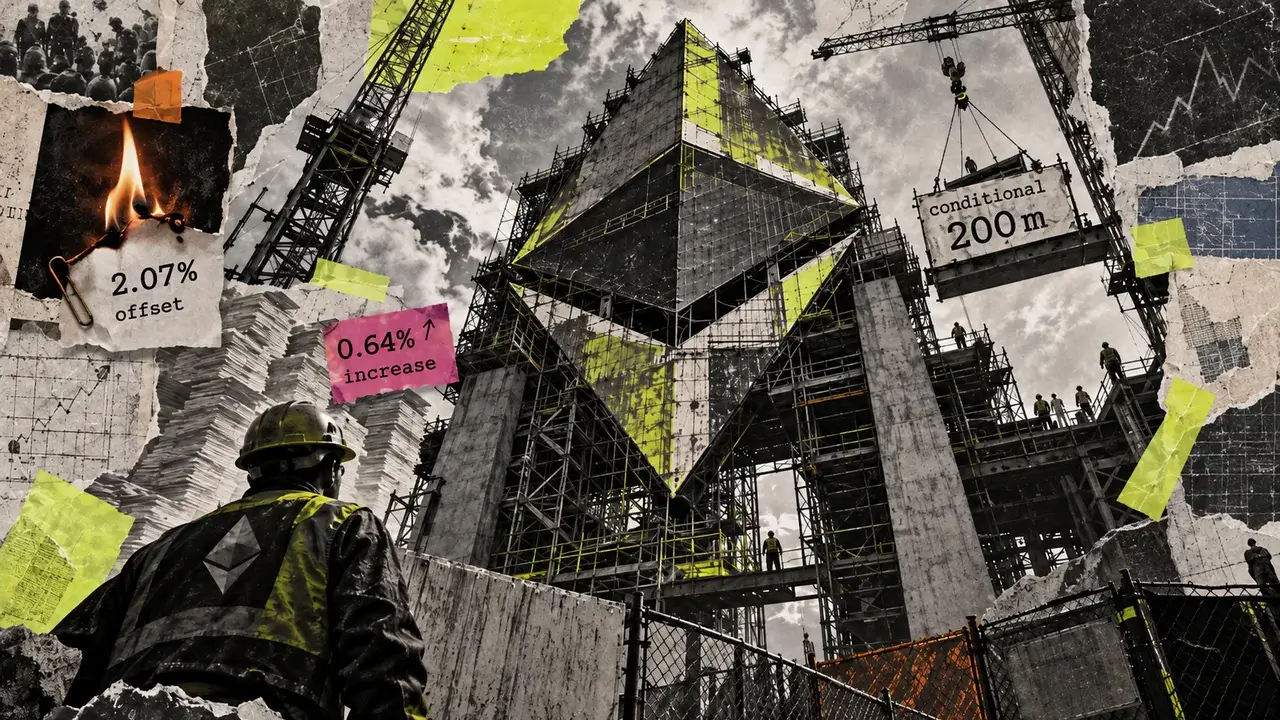
ETH fee burns cover just 2% of new coins printed in 2026
Ethereum's transaction fees have burned enough ETH to offset just 2.07% of the new coins issued in 2026, according to an Oct. 9 su...
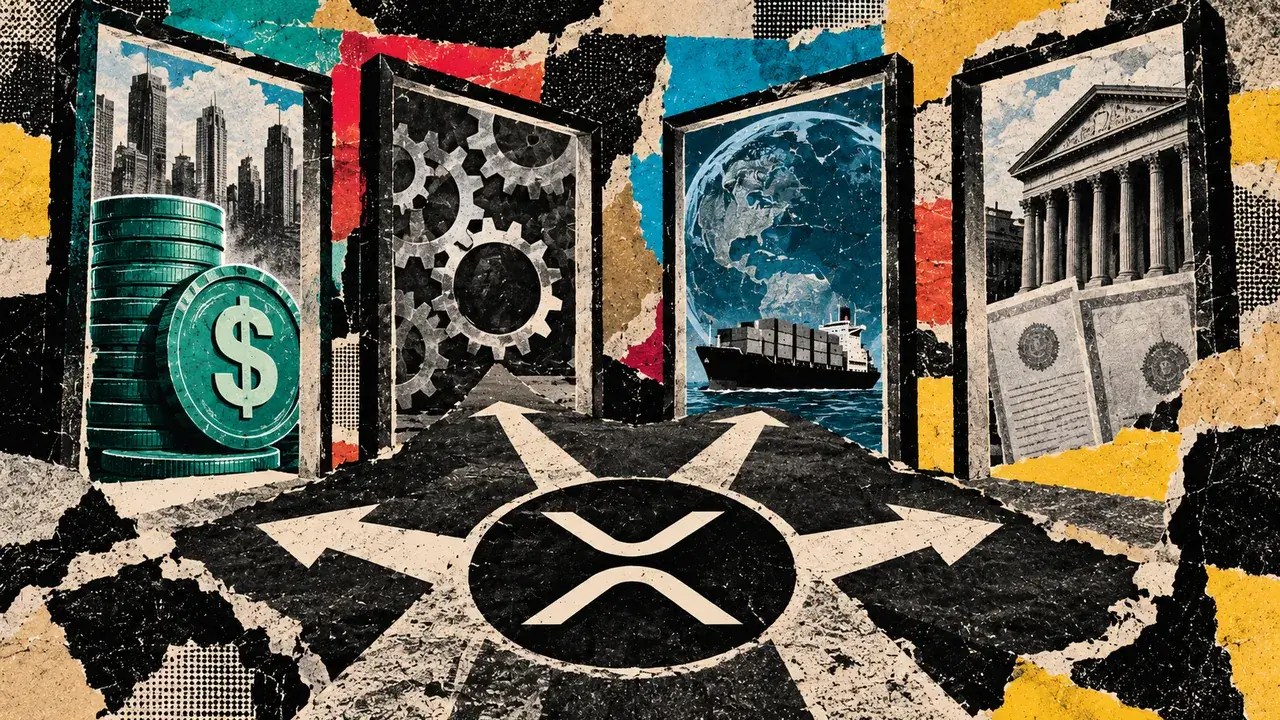
XRPL’s $1.34 billion stablecoin base doesn’t tell us how much XRP users need
Tracked stablecoins on the XRP Ledger totaled $1.338 billion on Oct. 7. For XRP holders, the critical question is how much activit...