Bitcoin in Bundestag: Germany's Bold Leap into Cryptocurrency Recognition
In an unexpected move that could reshape the financial terrain, Joana Cotar, a member of the German Bundestag, has put forward the idea of recognizing Bitcoin as legal tender in Germany. This revelation, occurring amid a...
Archive context
Older archive item. Useful for background and entity history, but not a fresh market-moving signal.

In an unexpected move that could reshape the financial terrain, Joana Cotar, a member of the German Bundestag, has put forward the idea of recognizing Bitcoin as legal tender in Germany. This revelation, occurring amid a global surge in cryptocurrency interest, suggests Germany's potential leadership in adopting decentralized digital currency at a governmental level. The implications extend beyond cryptocurrency, indicating a broader shift in economic ideology—one that aligns with the principles of proactive economic policies.
A Distinct Focus on Bitcoin: Shaping a New Financial NarrativeCotar's initiative, labeled "Bitcoin in the Bundestag," seeks not only to integrate Bitcoin into mainstream financial processes but also to educate parliamentary peers on its benefits. Her exclusive focus on Bitcoin distinguishes her approach, emphasizing the need to establish a formal committee recognizing the technological nuances of Bitcoin. This move reflects a departure from conventional strategies and aligns with the emerging paradigm of reshaping economic landscapes.
Shaping the Future: Germany's Strategic Move with Bitcoin RecognitionThe move to recognize Bitcoin as legal tender in Germany goes beyond a legal or financial matter—it's a strategic move in shaping the future of finance within an evolving economic framework. The principles involved in this strategic shift revolve around constructing and reaching a specifically envisioned future rather than merely responding to existing challenges. The German push for Bitcoin aligns with this vision, seeking to create a regulatory environment fostering innovation while addressing potential risks associated with cryptocurrency use.
Privacy, Security, and Adaptability: Key Tenets of Bitcoin RecognitionBitcoin's recognition in Germany is not just about legalities; it's about setting the stage for a future financial landscape. The principles of adaptability, privacy, and technological innovation come to the forefront. Cotar's emphasis on privacy protection, robust security standards, and a regulatory approach avoiding excessive restrictions mirrors the core tenets of this strategic move.
Global Implications: Bitcoin's Value and Adoption on the World StageAs Germany positions itself at the forefront of recognizing Bitcoin, the potential implications on its value and adoption could reverberate globally. Beyond the immediate impact on the cryptocurrency market, this move aligns with a broader global shift toward a more intentional and proactive approach to economic policies—a defining characteristic of the evolving economic landscape.
The Digital Euro Debate: Decentralization and Individual FreedomWhile Germany's move to recognize Bitcoin signals a significant departure from conventional financial norms, it also prompts contemplation on the potential correlation with the Digital Euro. The Digital Euro, a proposed digital version of the Euro by the European Central Bank, has been met with both anticipation and skepticism. Cotar's emphasis on Bitcoin's decentralized nature and potential for enhancing financial freedom poses questions about how the country might balance the coexistence of a state-backed digital currency and a decentralized cryptocurrency.
Positive Correlations: A Synergistic ApproachOn a positive note, the recognition of Bitcoin might contribute to a more comprehensive understanding of digital currencies within Germany. It could pave the way for constructive discussions on how state-backed digital currencies and decentralized cryptocurrencies can coexist, each offering unique advantages. A synergistic approach may emerge, wherein both forms of digital currency complement each other, fostering innovation while maintaining regulatory integrity.
Potential ChallengesConversely, the move to recognize Bitcoin could pose challenges in harmonizing the regulatory landscape with the introduction of the Digital Euro. Striking a balance between the decentralized nature of Bitcoin and the controlled environment of a state-backed digital currency requires careful consideration. Policymakers may need to navigate potential conflicts and establish a regulatory framework that accommodates both, ensuring the stability of the financial ecosystem.
ConclusionAs Germany pioneers the recognition of Bitcoin, it stands at the crossroads of shaping the future of digital finance. The correlation between this move and the potential implementation of the Digital Euro underscores the dynamic nature of the evolving economic paradigm. Whether positive or challenging, these developments signify a departure from traditional economic models, propelling the financial landscape into uncharted territory.
Why this matters
This bitcoin story adds another data point to the current market tape and is useful when read alongside nearby source coverage.
Original source
Read on Finance MagnatesRelated market context

Money20/20 USA 2026: How Bitcoin, Stablecoins and AI Are Reshaping the Future of Finance
Bitcoin Magazine Money20/20 USA 2026: How Bitcoin, Stablecoins and AI Are Reshaping the Future of Finance Fintech has moved beyond...

BNY Expands Regulated Crypto Custody Across The European Union Under MiCA
TL;DR: BNY has expanded its Digital Asset Custody platform to selected institutional clients across the European Union under MiCA....

Why Bitcoin’s Liquidity Advantage Matters as Institutions Move In
Bitcoin Magazine Why Bitcoin’s Liquidity Advantage Matters as Institutions Move In Bitcoin’s portability, divisibility and accessi...

Europol says crypto’s quantum upgrade could take years and urges work to start now
Europol, the EU’s law enforcement agency, is urging the cryptocurrency industry to begin preparing wallet and protocol upgrades fo...

US government moves $1.01 billion in Bitcoin from Bitfinex hack wallet
The transfer suggests a strategic shift in government crypto asset management, potentially impacting market dynamics and regulator...
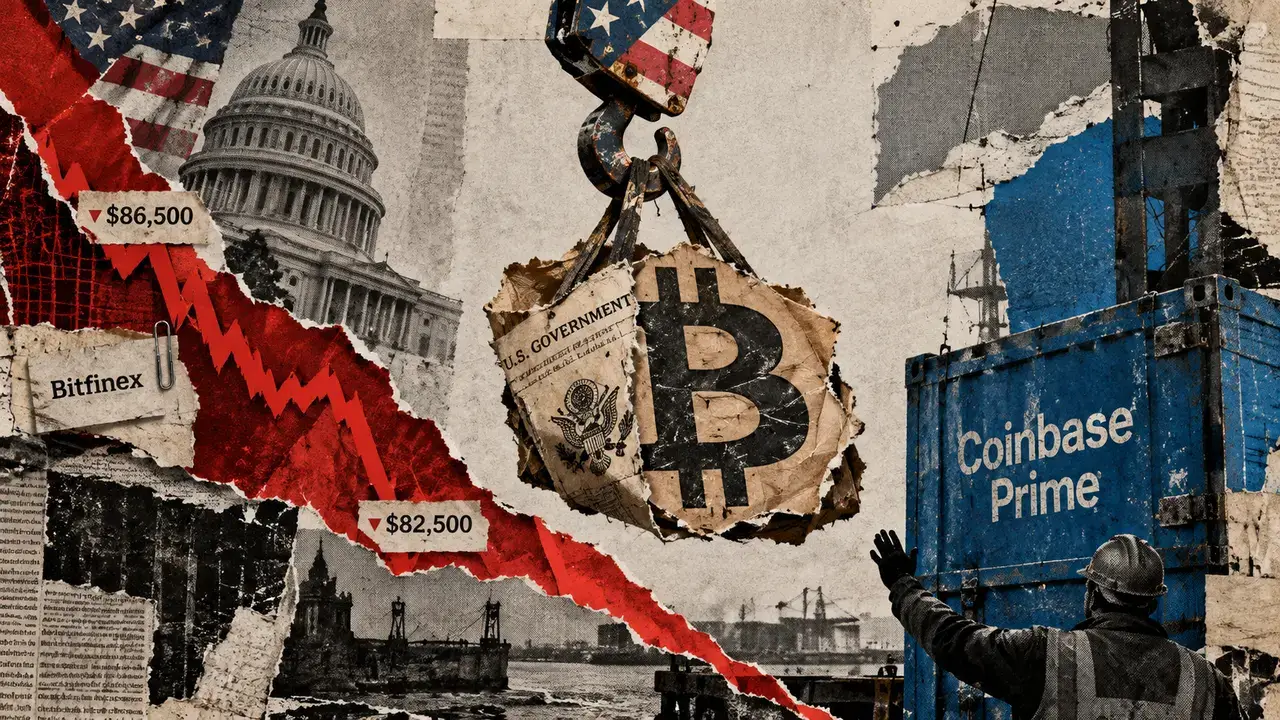
US government moves another $1 billion in Bitcoin as BTC slides $4,000
US government-linked wallets moved over $1 billion in Bitcoin on Oct. 8 as BTC prices fell and more coins reached Coinbase Prime....