Bitcoin Meets Geopolitics: Iran Launches Crypto Insurance For Ships In The Strait Of Hormuz
Nearly 20% of the world’s oil supply moves through the Strait of Hormuz. Iran now wants a cut of it — not by force, but through Bitcoin. A Platform Built Around Geography Iran’s Ministry of Economy launched Hormuz Safe o...
Archive context
Older archive item. Useful for background and entity history, but not a fresh market-moving signal.
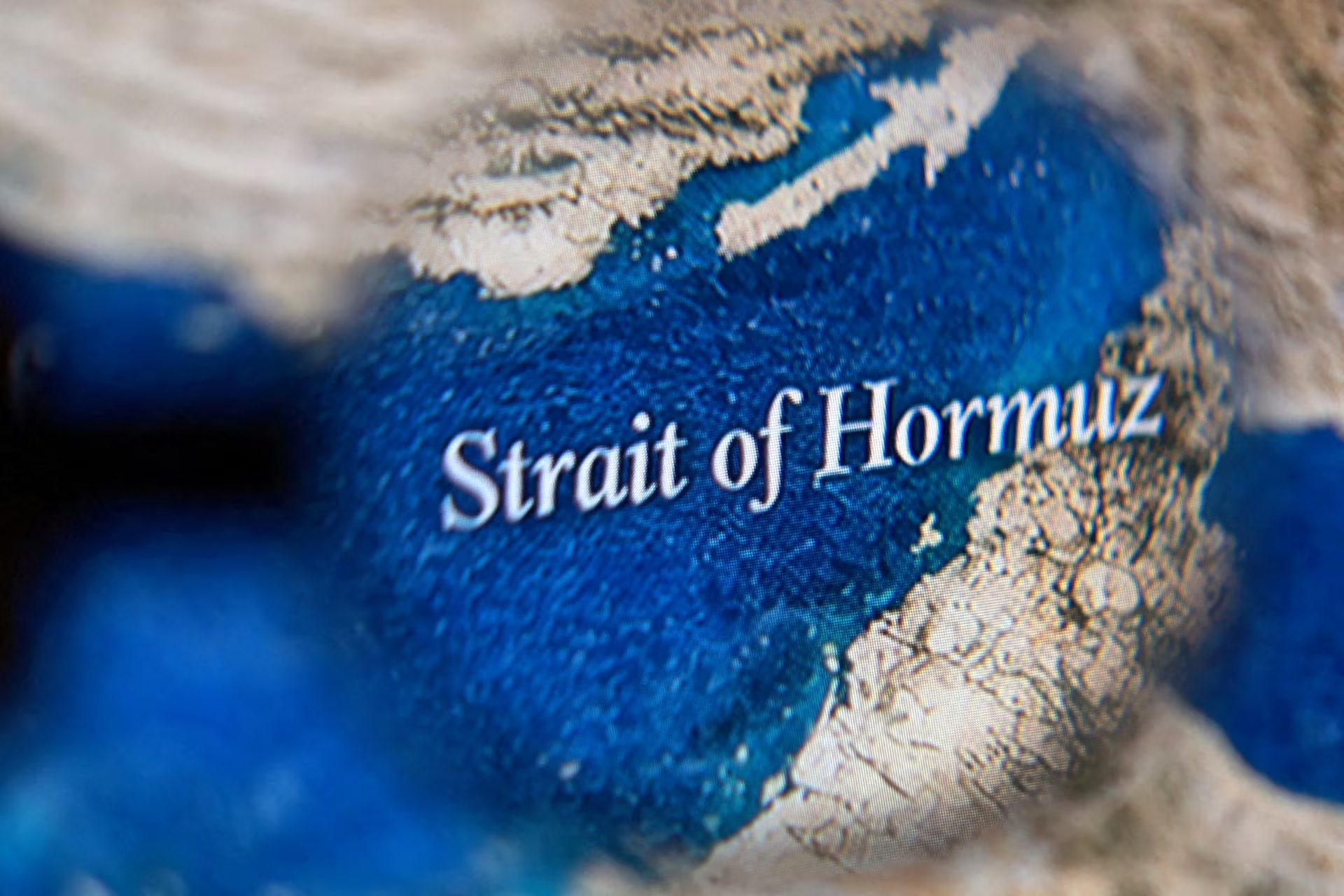
Nearly 20% of the world’s oil supply moves through the Strait of Hormuz. Iran now wants a cut of it — not by force, but through Bitcoin.
A Platform Built Around GeographyIran’s Ministry of Economy launched Hormuz Safe on May 16, 2026, a maritime insurance platform that lets cargo operators pay with Bitcoin and other cryptocurrencies instead of going through traditional banks.
Once a payment clears on-chain, the cargo gets immediate insurance coverage along with a digitally signed receipt. The target market is ships passing through the Persian Gulf and the Strait of Hormuz — one of the most heavily trafficked shipping corridors in the world.
Iranian media have reported that the platform could eventually bring in more than $10 billion a year. No official figures have been released to back that number up.
Sidestepping The DollarFor years, Western sanctions have blocked Iran from the global banking system, cutting it off from tools like SWIFT and dollar-based transactions. Hormuz Safe fits into a broader pattern of Iran looking to crypto as a workaround.
Reports indicate the country has been exploring Bitcoin, stablecoins, and blockchain systems as ways to keep trade moving despite those restrictions.
The idea behind the platform is straightforward. Instead of threatening to shut down a critical shipping lane during periods of tension, Iran appears to be trying to profit from the traffic that already flows through it.
Early Stage, Big QuestionsDespite the attention the launch has drawn, Hormuz Safe is still very much a work in progress. Reports say the platform has little more than a basic landing page online, and key legal and technical details remain unanswered.
The biggest obstacle for potential customers is sanctions exposure. US regulators have a track record of going after companies that do business with Iranian state-linked entities.
Any shipping operator that signs up could face secondary sanctions or compliance problems back home. On top of that, insurance certificates issued through an Iranian crypto platform may not be recognized by ports and regulators in other countries.
Hormuz Safe remains an early-stage initiative that has generated more attention than actual business activity. Still, it reflects a growing trend: crypto is increasingly becoming a tool not just for traders and investors, but also for countries seeking alternatives to financial systems that have long been used against them.
Featured image from Reuters, chart from TradingView
Why this matters
Bitcoin is showing up inside the Compliance & Sanctions theme, so this story is worth tracking for follow-through rather than treating it as a one-off headline.
Original source
Read on NewsBTCRelated market context
Senate Democrats put Tether’s USDT under the microscope over Iran sanctions evasion
Increased scrutiny on Tether's USDT could lead to stricter regulations on cryptocurrency to prevent sanctions evasion and illicit...

Cardano Brings Compliance Rules On-Chain With CIP-0113 Launch
TL;DR: Cardano’s CIP-0113 programmable token standard is now live on mainnet. It gives issuers the ability to build controls such...
Payments Firm Says Tether Froze $2.76 Million Brazilian Police Didn’t Flag, Forcing Layoffs
Tether froze $2.76 million of a payments company’s working capital though the Brazilian police investigation behind the freeze nev...
Bitcoin Falls Under $83,000 on Oil Spike, Rising US Borrowing Costs
Bitcoin Magazine Bitcoin Falls Under $83,000 on Oil Spike, Rising US Borrowing Costs Bitcoin’s price has plunged — with other asse...

StablecoinX shares go tokenized on Binance’s bStocks platform
Tokenized trading on bStocks enhances market accessibility but raises concerns about price alignment and interconnected financial...

Hyperliquid to add options to platform, enhancing derivatives offerings
Hyperliquid's expansion into options could significantly enhance its market position, driving user engagement and potentially boos...