Bitcoin Price 33% Rebound Faces ETF, Rate, and AI Tests
Bitcoin price climbed 33% over the five weeks while remaining 31% below its all-time high, a rebound that’s reviving talk of a strong 2027 built on the post-halving playbook. The gap between that framework and an actual...
Archive context
Older archive item. Useful for background and entity history, but not a fresh market-moving signal.

Bitcoin price climbed 33% over the five weeks while remaining 31% below its all-time high, a rebound that’s reviving talk of a strong 2027 built on the post-halving playbook. The gap between that framework and an actual forecast is the question worth sitting with: a repeating pattern across three prior cycles is not the same as a fourth guaranteed repeat.
The logic is simple enough to explain the pattern’s staying power. Bitcoin has historically bottomed out four years after each halving-driven peak, and the current cycle traces back to the April 2024 halving that cut new issuance. Under that framework, a bottom forming late this year would put 2027 in position to benefit from the same kind of sustained bullish sentiment that followed previous troughs.
The historical record backs the shape of the argument, even if it says nothing about magnitude. Bitcoin fell 65% in 2022 and then surged 154% the following year; further back, it dropped 71% in 2018 before rebounding 85% in 2019. Investors who sat out the drawdowns and bought the recoveries were rewarded both times, which is the entire basis for treating the current rally as the start of something similar rather than a dead-cat bounce.
That said, three data points are a small sample to extrapolate a fourth outcome from, and nothing in the pattern itself explains why the rebounds happened when they did rather than earlier or later.
The case for 2027 is a scenario built on analogy, not a model with predictive power, and how ETF flows respond to price momentum now matters as much as where Bitcoin sits in the halving calendar.
Earn $50 and Enter $300K Prize Draw on EdgeXThe Market Is No Longer the SameSpot Bitcoin ETFs remain highly popular and have made price exposure far easier for investors who previously had to manage self-custody or futures roll costs directly. That structural shift didn’t exist during the 2018 or 2022 drawdowns, and it changes who’s buying the dip and how quickly capital can rotate in and out.
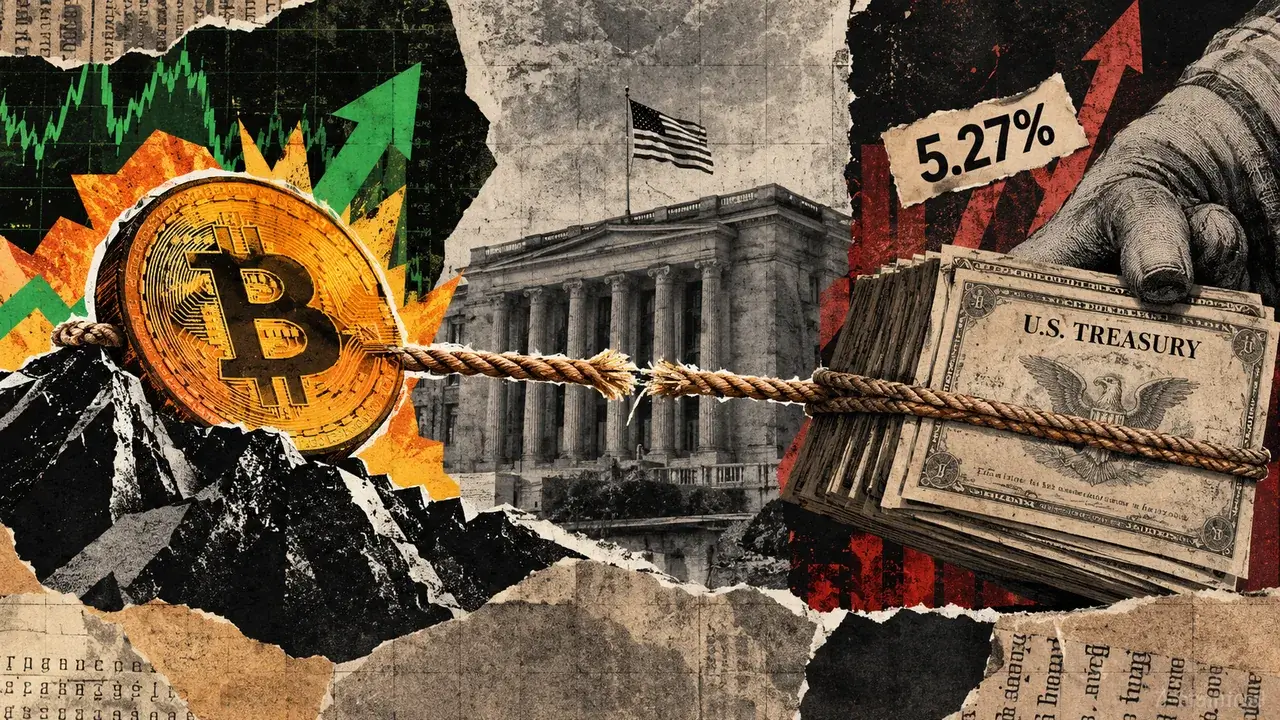
Macro conditions cut the other way. Inflation has stayed above the Federal Reserve’s 2% target as geopolitical tensions push energy prices higher, and the central bank has already raised the federal funds rate with further hikes on the table.
A prolonged tightening cycle would pressure Bitcoin alongside other risk assets by pulling capital toward higher-yielding instruments, a dynamic rate-path expectations can move faster than any halving-cycle timeline. Risks on the security side haven’t disappeared either: a hack targeting the ColdCard wallet reportedly resulted in losses exceeding $100 million, a reminder that self-custody promotion still runs into real operational failures.
Trade Bitcoin on Bybit and Get a Chance to Win Our $1,000 USDT AirdropWhat’s Next for the Bitcoin Price? AI’s Capital Competition and the Road to 2027The variable with no precedent in prior cycles is artificial intelligence spending. NVIDIA estimates that the five major hyperscale cloud providers will collectively pour $1.3 trillion into capital expenditures by 2027, much of it directed at data-center buildout.
That’s capital that might otherwise have found its way into Bitcoin during a bull phase, and it’s a genuinely new competitor for investor attention that the 2012, 2016, or 2020 halving cycles never had to contend with. Whether AI spending crowds out crypto allocation or simply runs in parallel with it is unresolved, but it’s a real structural variable that a pure halving-cycle framework has no mechanism to account for.
Bitcoin (BTC)24h7d30d1yAll timeThe bull case for Bitcoin’s 2027 outlook rests on the pattern holding one more time: a bottom forming near the current level, followed by the kind of sustained bullish sentiment that carried prior post-halving recoveries.
The caution case is that rate policy stays tight, ETF flows swing negative during any drawdown, AI capital expenditure siphons off liquidity that would otherwise chase risk assets, and the four-year template simply breaks down the way small-sample patterns eventually do.
Both scenarios are plausible from the same set of facts, which is exactly why 2027 should be treated as a conditional outcome rather than a locked-in target.
Discover: The Best Token Presales
The post Bitcoin Price 33% Rebound Faces ETF, Rate, and AI Tests appeared first on Cryptonews.
Why this matters
Bitcoin is showing up inside the Market Structure theme, so this story is worth tracking for follow-through rather than treating it as a one-off headline.
Original source
Read on CryptonewsRelated market context

Tether Celebrates 12 Years, USD₮ Surpasses 700M Users
Key Takeaways: Tether marked the 12th anniversary of the world’s largest stablecoin by market cap, USD₮. The company claims that U...

Robinhood Adds Bitcoin to Its Balance Sheet: A Strategic Signal from a $100B Fintech
Bitcoin Magazine Robinhood Adds Bitcoin to Its Balance Sheet: A Strategic Signal from a $100B Fintech Robinhood has taken a clear...

Trust Wallet integrates MoonPay so US users can buy crypto without leaving the app
The integration enhances user convenience and self-custody appeal but raises concerns about dependency on a single provider's stab...

Bitcoin Price Set for a Boost: Arthur Hayes Bets on an AI Boom Bust
As Bitcoin price slid toward $83,800, $4000 million in leveraged crypto longs were liquidated within one hour. This is a sharp rem...
Bitcoin price has risen 84% since January 2024 while Treasury yields climbed
Bitcoin traded below $84,000 on Oct. 7 as US Treasury yields near 5.3% offered investors a competing interest-bearing alternative....

XRP Price Eyes New Catalyst as Ripple Partners With South Korea’s Meritz
Ripple and South Korean brokerage Meritz Securities have signed a strategic partnership to assess Ripple Custody and Ripple’s toke...