Bitcoin scarcity rises as bad exchanges take 1.2M BTC out of circulation
Historical data around crypto crashes revealed that 14 crypto exchanges, together, were responsible for the loss of at least 1,195,000 BTC, representing 6.3% of the 19.2 Bitcoin currently in circulation.
Archive context
Older archive item. Useful for background and entity history, but not a fresh market-moving signal.

Historical data around crypto crashes revealed that 14 crypto exchanges, together, were responsible for the loss of at least 1,195,000 BTC, representing 6.3% of the 19.2 Bitcoin currently in circulation.
Why this matters
This bitcoin story adds another data point to the current market tape and is useful when read alongside nearby source coverage.
Original source
Read on CointelegraphRelated market context

StockFi: Connecting U.S. Stock with the On-Chain Ecosystem to Reshape Asset Circulation
Start with one stock. Connect two capital worlds. 6 November — Singapore — StockFi is advancing the connection between traditional...

Bitcoin Price Crashes Over 5% to $75,000 as Tech Rout Wipes Out Leveraged Longs
Bitcoin Magazine Bitcoin Price Crashes Over 5% to $75,000 as Tech Rout Wipes Out Leveraged Longs Bitcoin price fell about 5% on Th...

Democrats Are Coming for AI Data Centers and Bitcoin Miners Could Pay Dearly
Newly empowered Democrats from Texas to Ohio are pushing to pause or restrict new data centers, a threat to the bitcoin miners bet...
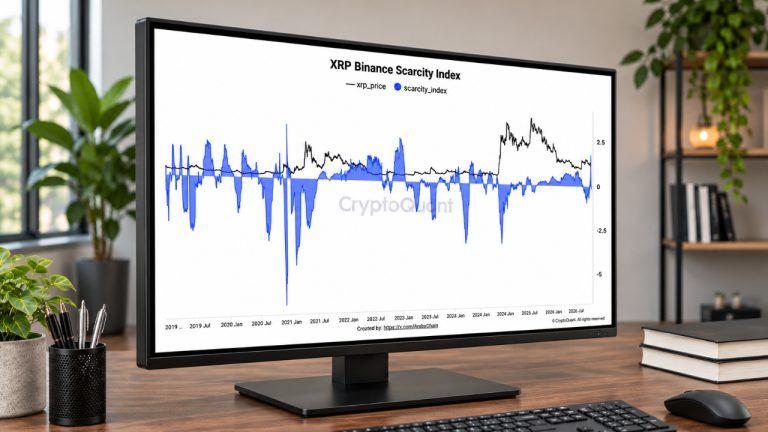
XRP Tradable Supply on Binance Tightens as Scarcity Hits Four-Year High
XRP’s tradable supply on Binance tightened as a scarcity gauge reached its highest reading since 2022, according to a new analysis...

Binance-Controlled Korean Exchange GOPAX Stops Trading, Makes Users Email to Withdraw Crypto
Customers of GOPAX, a Korean exchange whose operator Streami is majority-owned by Binance, can now get crypto out only by emailing...

Vitalik Buterin tells crypto exchanges to prioritize survival after Binance hack
Buterin's call for crypto exchanges to prioritize survival over competition highlights potential regulatory shifts and increased s...