Ex-UK Prime Minister Blasts Bitcoin, Here’s What He Said
Bitcoin has again come under sharp criticism after former UK Prime Minister Boris Johnson questioned its legitimacy. His remarks, shared in a March 13, 2026, post on X, reignited debate over whether the world’s largest c...
Archive context
Older archive item. Useful for background and entity history, but not a fresh market-moving signal.

Bitcoin has again come under sharp criticism after former UK Prime Minister Boris Johnson questioned its legitimacy. His remarks, shared in a March 13, 2026, post on X, reignited debate over whether the world’s largest cryptocurrency is fundamentally sound or structurally flawed.
Bitcoin Under Fire: What Boris Johnson’s Statement SuggestsIn his post, Johnson reiterated long-standing doubts about Bitcoin, noting that reports of investor losses had strengthened his skepticism. His comments highlight concerns over the cryptocurrency’s structure and the potential risks for participants.
This perspective aligns with his previous column, where he described individuals drawn in by promises of profit but ultimately losing significant sums. One example involved a retired person who invested £500 hoping to double it, only to spend years attempting withdrawals while paying fees, eventually losing about £20,000. Johnson suggests these cases illustrate that Bitcoin is not only volatile but also part of an ecosystem where investors may face exploitation.
He also questioned Bitcoin’s intrinsic value, describing it as a digital construct without physical backing or cultural significance. Johnson raised concerns about the anonymity of its creator, Satoshi Nakamoto, arguing that the lack of accountability adds risk. His remarks imply that Bitcoin’s reliance on investor interest, along with its decentralized and opaque origins, could expose participants to dynamics reminiscent of fraudulent financial models.
Is Bitcoin A Ponzi Scheme? Facts Behind The ClaimWhile Johnson suggests Bitcoin may resemble a Ponzi scheme, this comparison is misleading. A classic Ponzi relies on a central organizer who guarantees fixed returns and pays earlier investors with new participants’ funds. Bitcoin, by contrast, has no central operator, no promised returns, and no mechanism for redistributing incoming funds. Transactions are verified by a decentralized network rather than a controlling entity.
Bitcoin’s value comes from open market demand and a fixed supply cap of 21 million coins, not the entry of new participants. The network is transparent, participation is voluntary, and the protocol enforces scarcity and transaction rules. These factors ensure Bitcoin lacks the defining features of a Ponzi scheme, as emphasized by Michael Saylor, who points out that decentralization removes the key elements required for such fraud.
However, some of Johnson’s observations reflect market realities. Price momentum often depends on investor sentiment, adoption trends, and liquidity, which can superficially resemble Ponzi-like growth patterns, especially when scams or misleading schemes exploit the cryptocurrency ecosystem. High-profile losses contribute to the perception of risk, even though Bitcoin’s structure is fundamentally different: it does not promise returns, is not centrally controlled, and allows free buying, selling, and storing of coins.
While Bitcoin carries risks typical of any volatile asset, its decentralized design, transparent operation, and capped supply separate it from a Ponzi scheme. Johnson’s remarks highlight legitimate concerns about risk perception but do not reflect the cryptocurrency’s underlying mechanics.
Why this matters
Bitcoin is a tracked market entity in the DigitalMoneyBox archive, making this useful context for readers monitoring repeated mentions and follow-up coverage.
Original source
Read on NewsBTCRelated market context
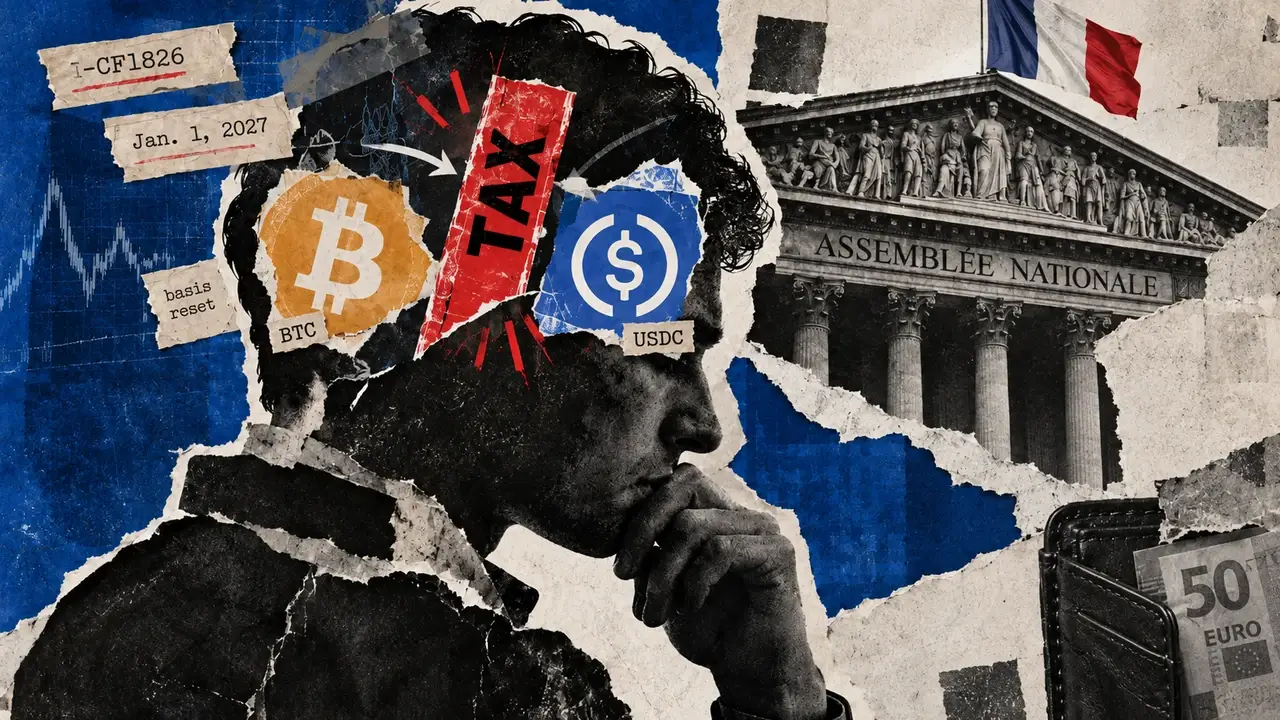
France’s tax proposal would tax Bitcoin-to-USDC swaps before investors cash out
France’s proposed crypto tax changes would make a move from Bitcoin or Ether into certain stablecoins a taxable disposal, even if...
Aave’s USDG rollover plan has a yield below most quoted borrowing rates
Aave’s proposed USDG rollover would let borrowers carry their stablecoin debt into a new fixed-yield USDG position, but the replac...
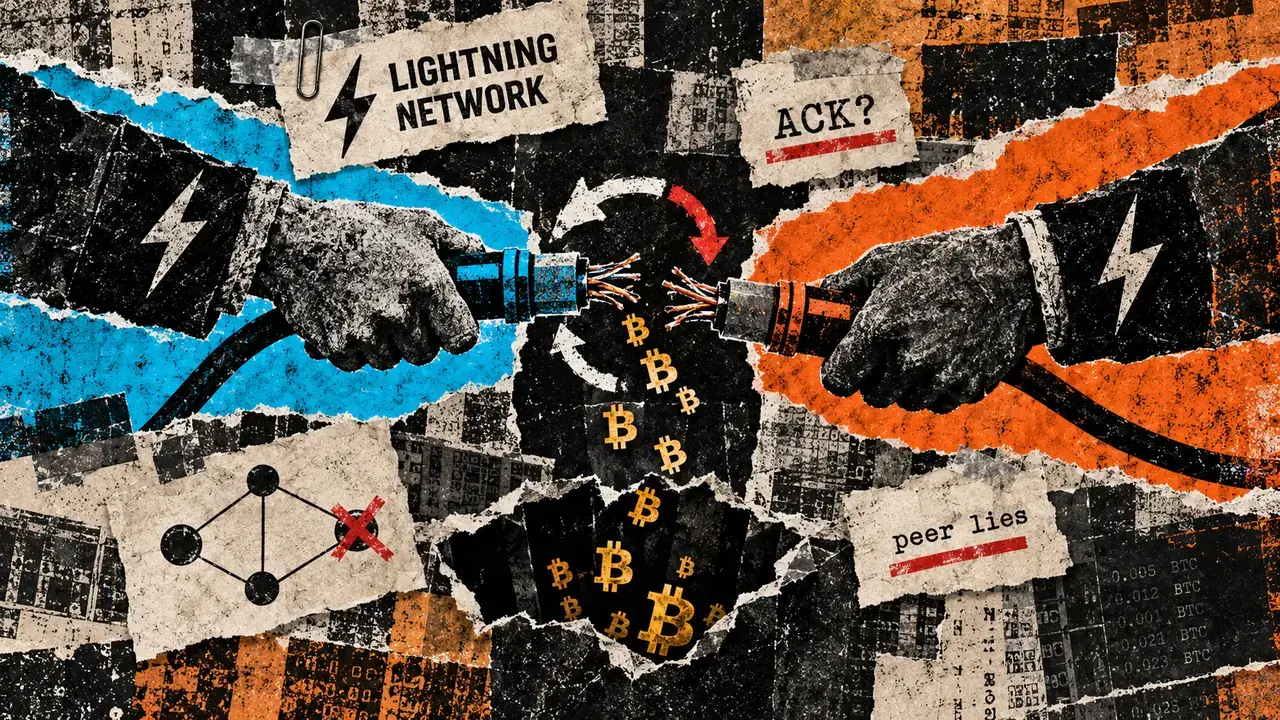
Lightning apps using unpatched LDK risk Bitcoin theft from a reconnect lie
Lightning Development Kit (LDK), a library for building Bitcoin Lightning wallets and payment applications, has patched a flaw tha...

Evernorth XRP Treasury Merger Brings 473 Million XRP to Nasdaq as XRPN Debuts October 12
The transaction gives public-market investors another route to gain exposure to XRP through a company that actively manages its di...
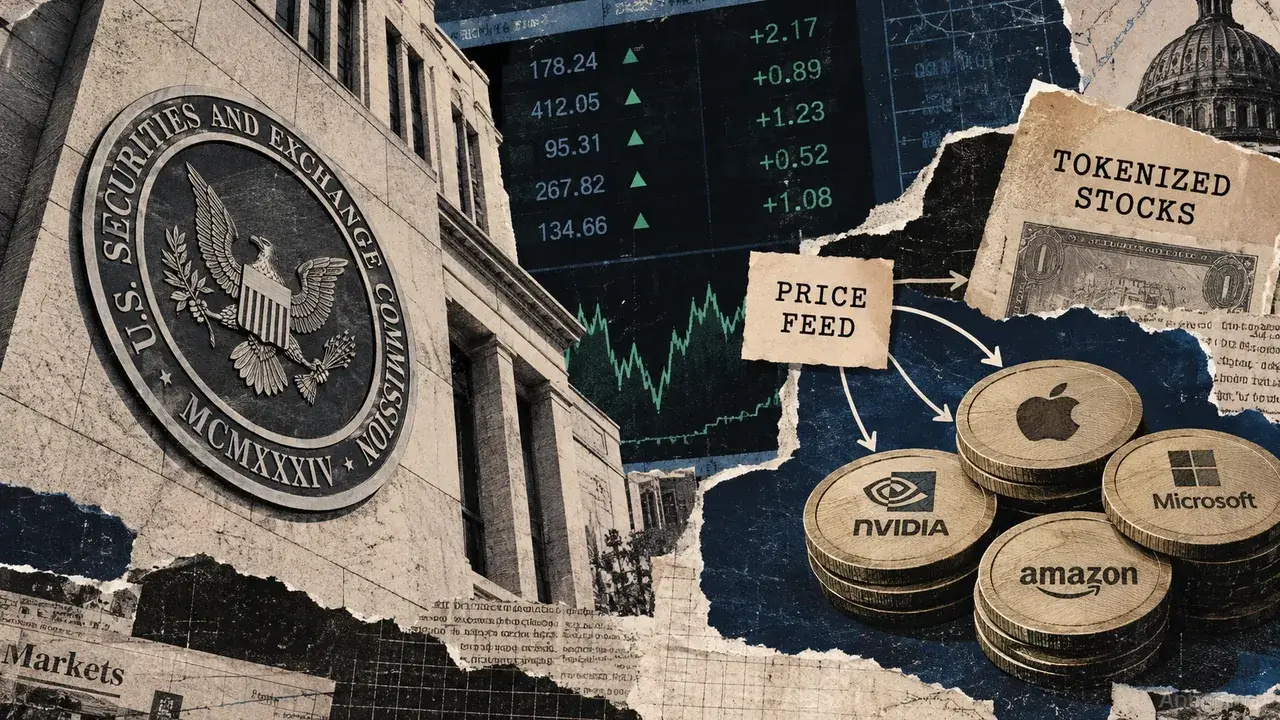
Tokenized stocks can carry the same rights without the same trading protections
Tokenized stocks eligible for the SEC’s September exemption must carry equivalent shareholder rights, yet their trading venues can...

Bitcoin remains a buy on dips despite oil risks says Hilbert CIO
Bitcoin's resilience amid geopolitical and inflationary pressures highlights its potential as a hedge, yet market volatility persi...