Former PayPal President David Marcus Aims to Turn Bitcoin Into a Global Payment Network
In a recent appearance on CNBC's Squawk Box, former PayPal President David Marcus shared his vision for Bitcoin, aiming to transform it into a global payment network. Marcus, who is the CEO of Lightning Network infrastru...
Archive context
Older archive item. Useful for background and entity history, but not a fresh market-moving signal.
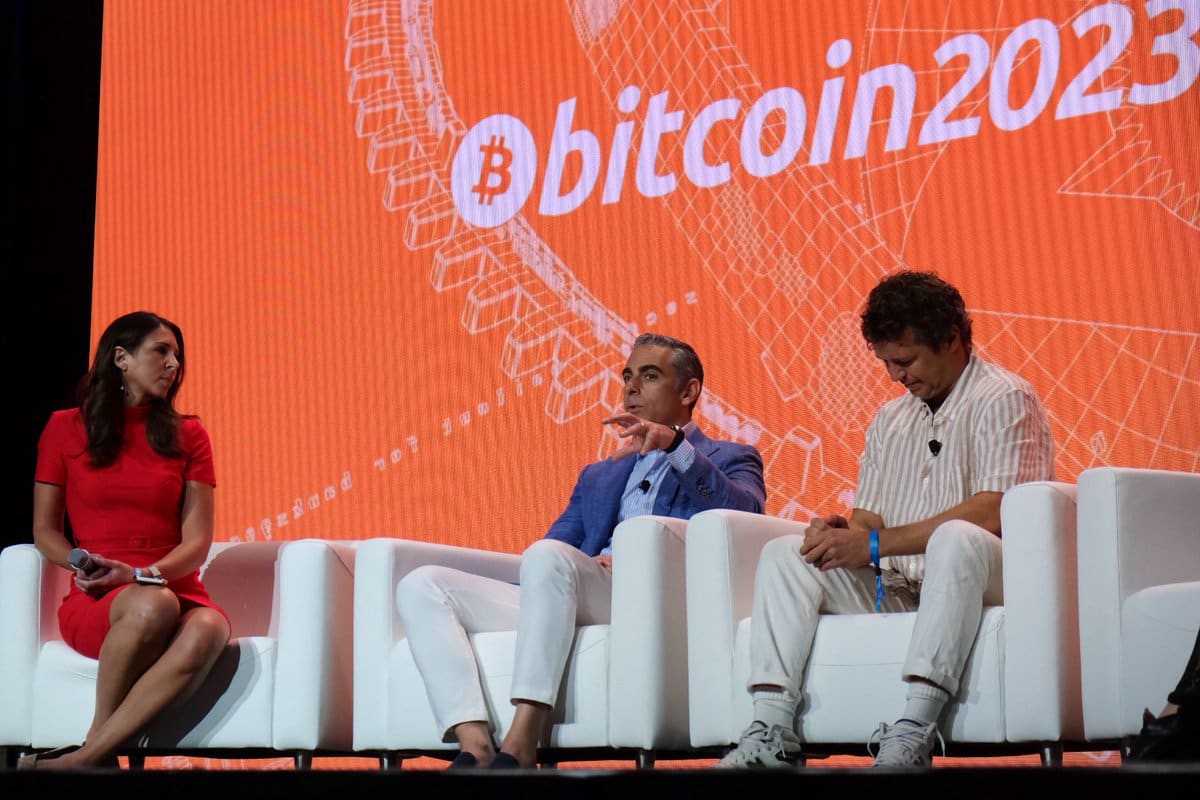
In a recent appearance on CNBC's Squawk Box, former PayPal President David Marcus shared his vision for Bitcoin, aiming to transform it into a global payment network. Marcus, who is the CEO of Lightning Network infrastructure company Lightspark, emphasized the importance of expanding Bitcoin's utility beyond just a store of value.
During the interview, Marcus highlighted the significant strides Bitcoin has made over the past decade, evolving from an obscure digital currency to a recognized store of value and hedge against inflation. However, he argued that Bitcoin could play a much broader role in the global financial ecosystem.
Marcus proposed that Bitcoin has the potential to become a truly global payment network, similar to PayPal but operating on the decentralized Bitcoin network. He emphasized the need for Bitcoin to evolve further, offering faster, cheaper, and more efficient transactions, making it accessible to a broader audience.
David Marcus is helping lead the charge to expand Bitcoin's utility in this area. In his current role as CEO of Lightspark, he has committed "to doing whatever it took" to realize the full potential of the Bitcoin Lightning Network. "Because it’s time for the world to have a universal open protocol for payments," Marcus continued.
Though, scaling Bitcoin into a massive global payment network is not without challenges. Bitcoin's scalability issues has had its long-standing concerns. However, ongoing technological developments, such as the Lightning Network, aim to address these issues and enhance Bitcoin's capabilities.
Regulatory hurdles also pose a significant challenge. Governments around the world are scrutinizing the Bitcoin industry, with varying degrees of acceptance and regulation. Marcus acknowledged the importance of working with regulators to ensure the compliance and legitimacy of Bitcoin as a global payment solution.
While significant challenges lie ahead, including technical and regulatory hurdles, the idea of Bitcoin serving as a decentralized, efficient, and widely accepted means of payment holds the potential to revolutionize the financial industry, making transactions faster and more accessible on a global scale.
Why this matters
This bitcoin story adds another data point to the current market tape and is useful when read alongside nearby source coverage.
Original source
Read on Bitcoin MagazineRelated market context

Former Visa and JPMorgan Execs Take Over El Salvador’s Chivo Wallet
According to Lionguard Labs, the new Chivo wallet will offer Salvadorans a comprehensive suite of services, including wallet-activ...

HSBC and Ant Digital test AI-agent payments with tokenized deposits
AI-agent payments with tokenized deposits could revolutionize financial transactions, enhancing efficiency and security in digital...

Ripple Custody Adds Canton Network Support, Bringing CC and CIP-56 Into One Vault
Key Takeaways: Ripple Custody 1.43 adds support for Canton Network, CC and CIP-56 tokens. Institutions can be given the same custo...

Celsius Founder Alex Mashinsky Hit With $35M Deal and Permanent Crypto Industry Ban
Key Takeaways: Under a NY settlement, Alex Mashinsky may have to pay up to $35M in conditional payments. Celsius’s previous chief...
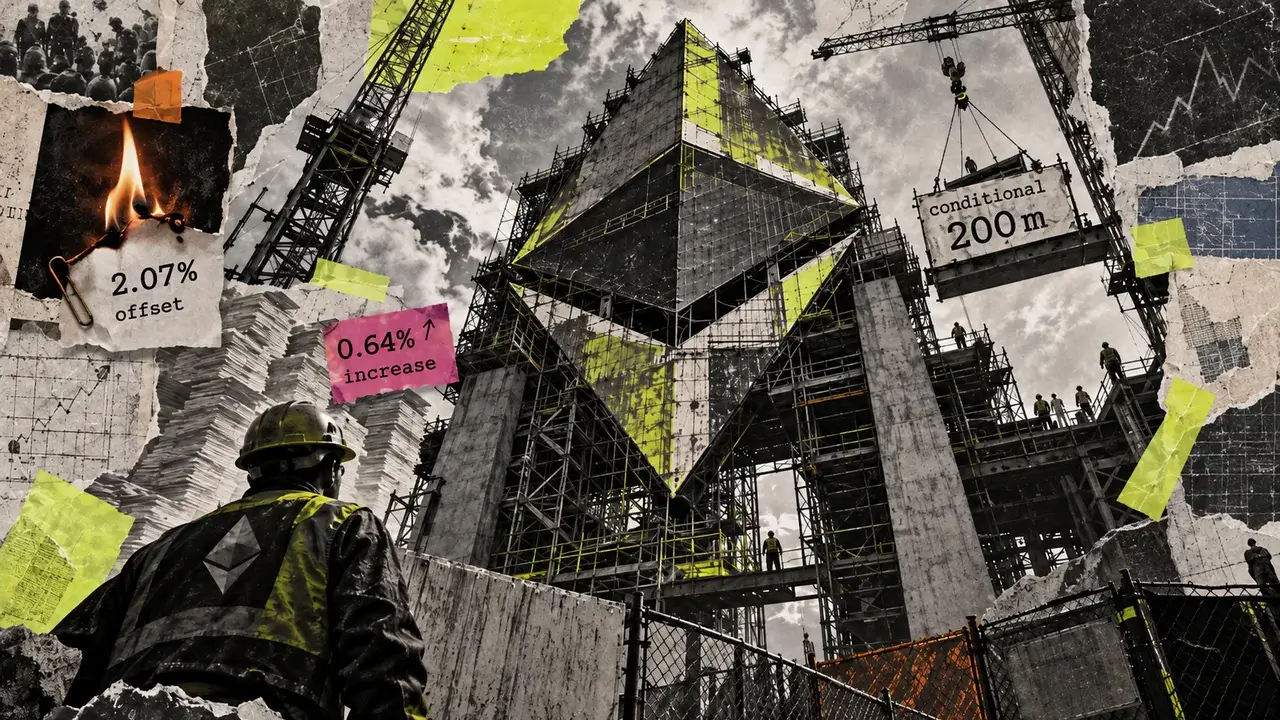
ETH fee burns cover just 2% of new coins printed in 2026
Ethereum's transaction fees have burned enough ETH to offset just 2.07% of the new coins issued in 2026, according to an Oct. 9 su...
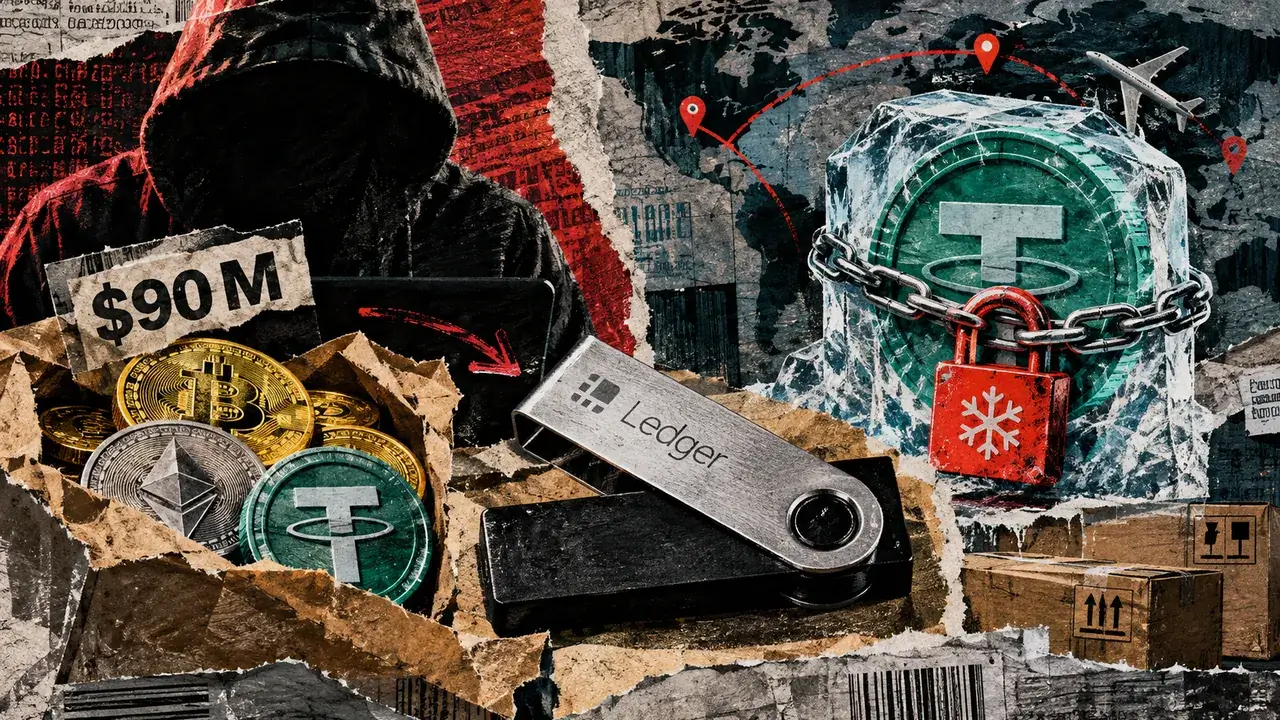
Ledger hack scare nears $90 million as Tether moves to freeze stolen USDT
Suspected Ledger wallet thefts are approaching $90 million as Tether freezes USDT stablecoin linked to the incident, according to...