French Chipmaker Sequans Bets $200M on Bitcoin Treasury Play
The French chipmaker wants to beef up its balance sheet with Bitcoin, joining the growing ranks of corporations treating BTC as a primary treasury asset. From semiconductors to sats Sequans already holds more than 3,000...
Archive context
Older archive item. Useful for background and entity history, but not a fresh market-moving signal.

The French chipmaker wants to beef up its balance sheet with Bitcoin, joining the growing ranks of corporations treating BTC as a primary treasury asset.
From semiconductors to satsSequans already holds more than 3,000 BTC, currently valued at about $331 million, making it one of Europe’s largest corporate holders of Bitcoin. Only Germany’s Bitcoin Group SE sits higher on the leaderboard. And this isn’t a half-measure—Sequans has set an audacious target of accumulating 100,000 BTC by 2030.
To put that in perspective, 100,000 BTC is roughly 0.5% of all the Bitcoin that will ever exist. For a mid-cap semiconductor outfit, that’s not just “skin in the game”—it’s a full-on metamorphosis into a Bitcoin proxy stock.
The new ATM program follows a $189 million raise in July through secured convertible debentures and warrants, bringing Sequans’ recent financing haul to around $376 million. Clearly, this is less about incremental treasury management and more about a deliberate, aggressive strategy to tie the company’s future to Bitcoin’s performance.
The French chipmaker made the announcement on X
Equity dilution for digital goldCEO Dr. Georges Karam framed the decision as building a “treasury foundation” and promised to deploy the funds “judiciously.” But issuing equity to buy Bitcoin is a controversial play. Shareholders are essentially accepting dilution in exchange for leveraged exposure to Bitcoin’s long-term trajectory. If BTC soars, Sequans could look like a genius. If it tanks? Well, the pain is borne by investors who thought they were buying into a semiconductor company, not a synthetic Bitcoin ETF.
Equity-funded BTC purchases act less like speculative punts and more like leveraged exposure, but the model only works with strict discipline.
“Smaller firms can innovate using structured financing, options strategies, or BTC-backed deals to accumulate effectively. The model is not copy-paste, but scalable if tailored.”
In other words, Sequans is playing the Michael Saylor playbook—but without MicroStrategy’s billion-dollar cash cushion.
The bigger picture: Bitcoinization of corporate treasuriesSequans isn’t alone here. Strategy (formerly MicroStrategy) recently raised $310 million in stock to buy $357 million worth of Bitcoin. Meanwhile, KindlyMD snapped up nearly 5,744 BTC for $679 million, only to watch its stock price crater afterward. The market’s message is clear: Wall Street hasn’t decided whether to reward or punish companies for tying themselves to Bitcoin.
What Sequans is doing highlights a broader shift. Corporate treasuries are no longer just about holding cash, bonds, or gold—they’re becoming a battleground for Bitcoin accumulation. If Sequans hits its 100,000 BTC target, it would leapfrog into the ranks of the largest institutional holders of Bitcoin globally. If you don’t own Bitcoin yourself, now might be a good time to consider whether you should buy Bitcoin.
The contrarian viewSequans may not survive the next brutal Bitcoin drawdown if it overextends. Unlike MicroStrategy, which has software margins fat enough to cushion a crypto winter, Sequans is a hardware company competing in a cutthroat industry. Semiconductors aren’t exactly a cash cow—especially for a French mid-cap player trying to scale.
If Bitcoin rips to $200k, Sequans’ bet will look visionary. But if BTC retraces to $50k and stays there for two years, Sequans could find itself with a wrecked balance sheet, angry shareholders, and dwindling operational runway.
Bitcoin maximalists will cheer this as another domino falling in hyperbitcoinization. But investors? They should ask whether they’re buying Sequans the chipmaker—or Sequans the Bitcoin holding company. Because those are two very different risk profiles.
Why this matters
This bitcoin story adds another data point to the current market tape and is useful when read alongside nearby source coverage.
Original source
Read on Brave New CoinRelated market context

What happens when crypto trades stocks while Wall Street sleeps?
Wall Street closes at 4 p.m., but apparently that's becoming more of a suggestion than a rule. You can now spend the evening watch...
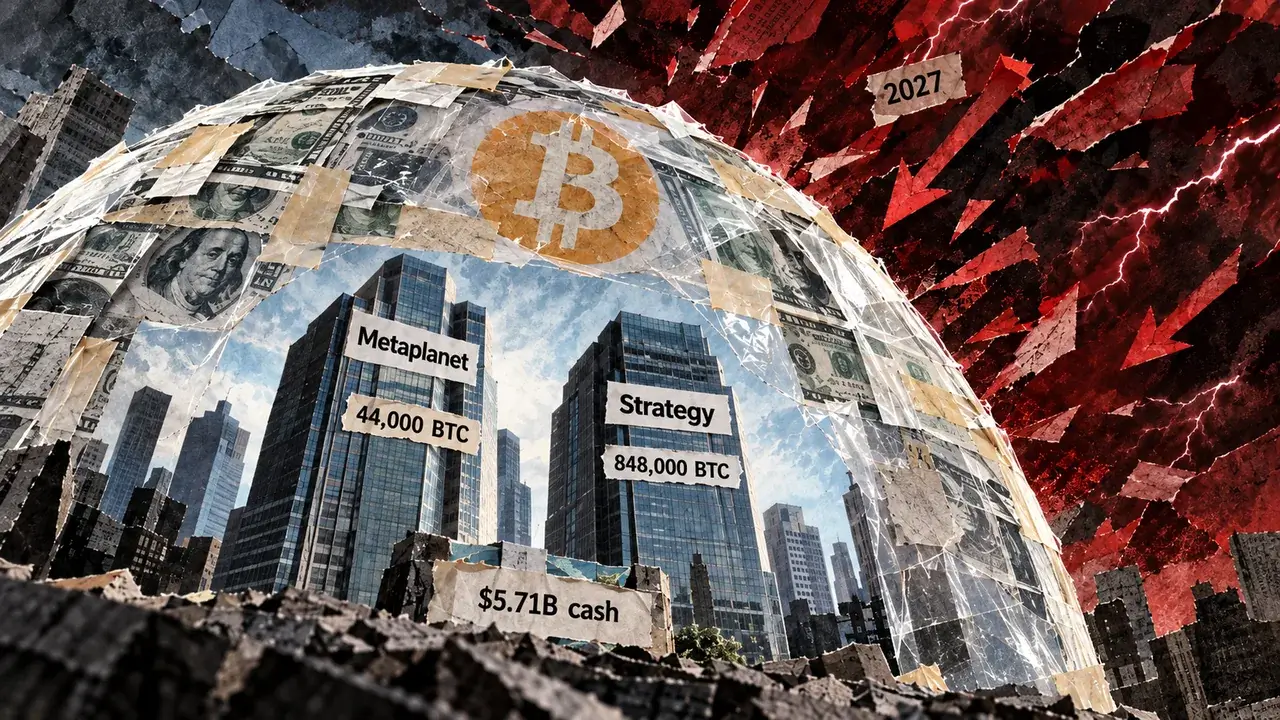
Bitcoin companies are learning that holding forever takes cash
Metaplanet sold 10,000 BTC and bought back 11,000 at a higher average price to show it was willing to sell its Bitcoin. The Japane...
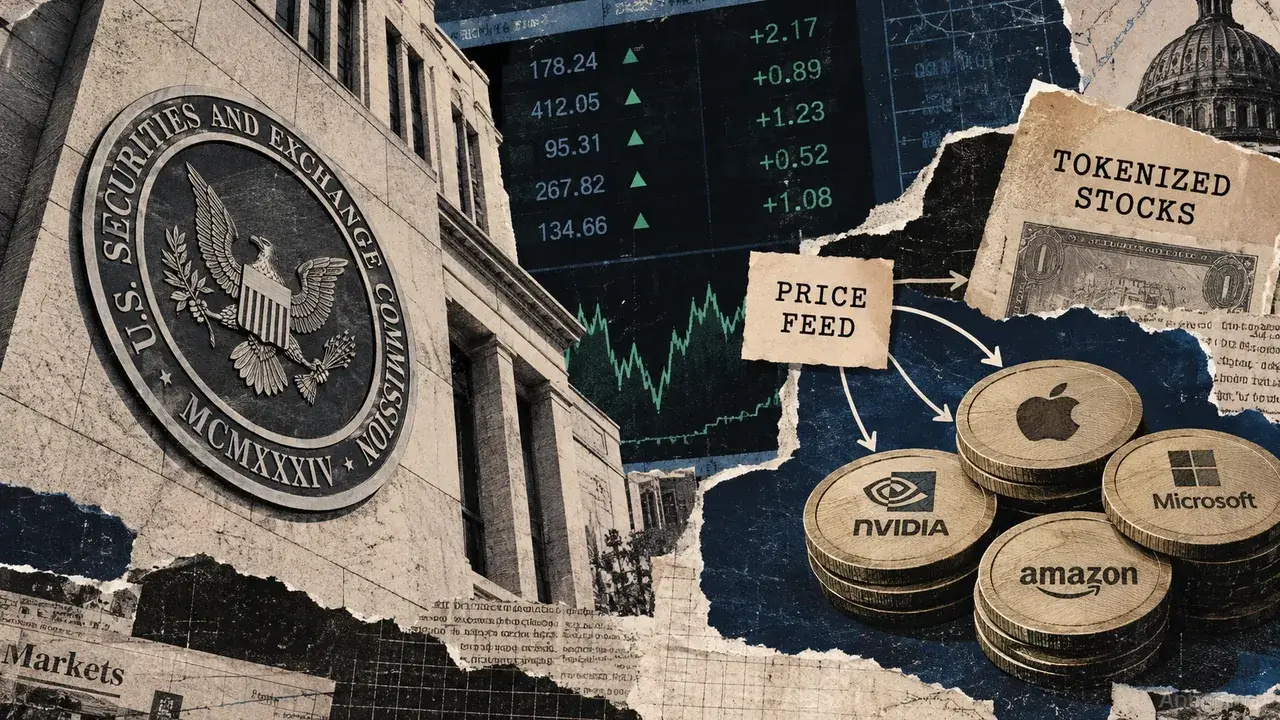
Tokenized stocks can carry the same rights without the same trading protections
Tokenized stocks eligible for the SEC’s September exemption must carry equivalent shareholder rights, yet their trading venues can...

Securitize Puts 12 U.S. Stocks on Solana With 1:1 Backing and 24/7 Trading Plans
Key Takeaways: Securitize has already launched tokenized U.S. stocks on Solana, including NVIDIA, Tesla and Apple. Each token repr...
Brazil’s BRL 22T CSD BR Moves Fund Records to XRP Ledger in Live Tokenization Push
Key Takeaways: CSD BR is leveraging the XRP Ledger to reflect real-time fund holdings. Over BRL 22 trillion in registered assets i...
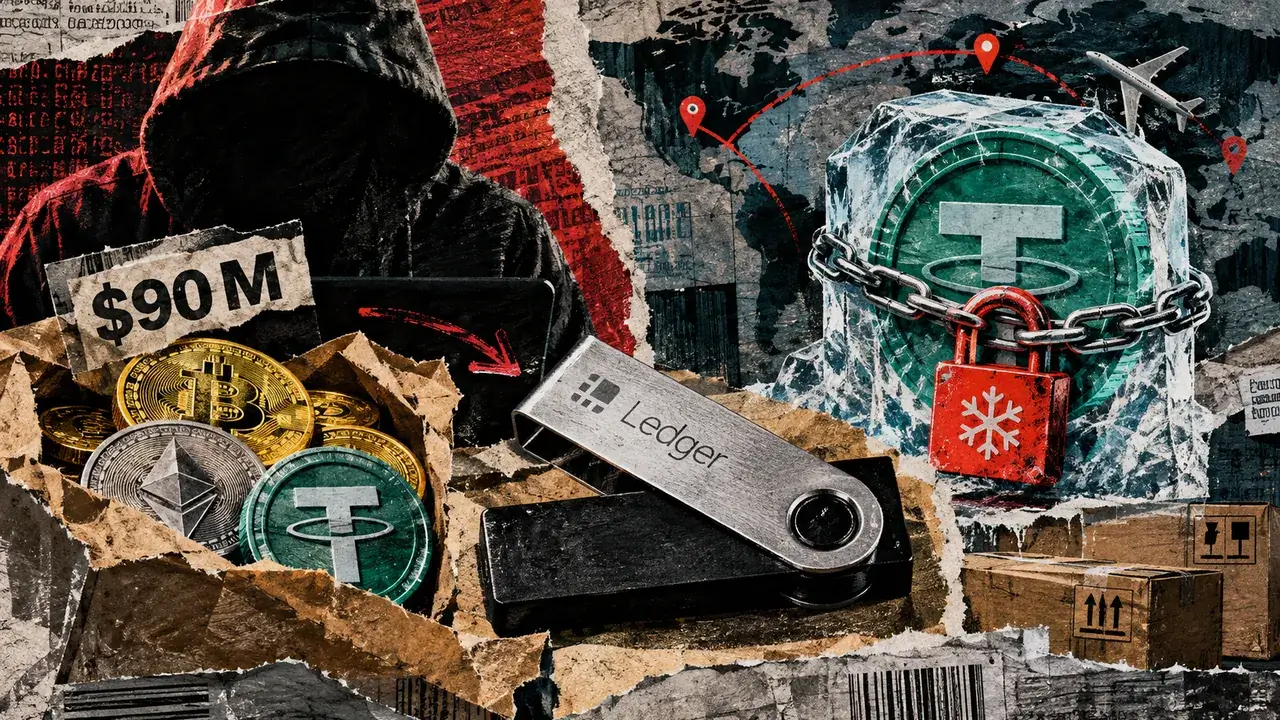
Ledger hack scare nears $90 million as Tether moves to freeze stolen USDT
Suspected Ledger wallet thefts are approaching $90 million as Tether freezes USDT stablecoin linked to the incident, according to...