How The Early Days Of The Internet Is Similar To Building On Bitcoin
Understanding how the internet protocol was built using layers can help paint a picture of the Bitcoin network and how it can develop in a similar fashion.This is a transcribed excerpt of the “Bitcoin Magazine Podcast,”...
Archive context
Older archive item. Useful for background and entity history, but not a fresh market-moving signal.
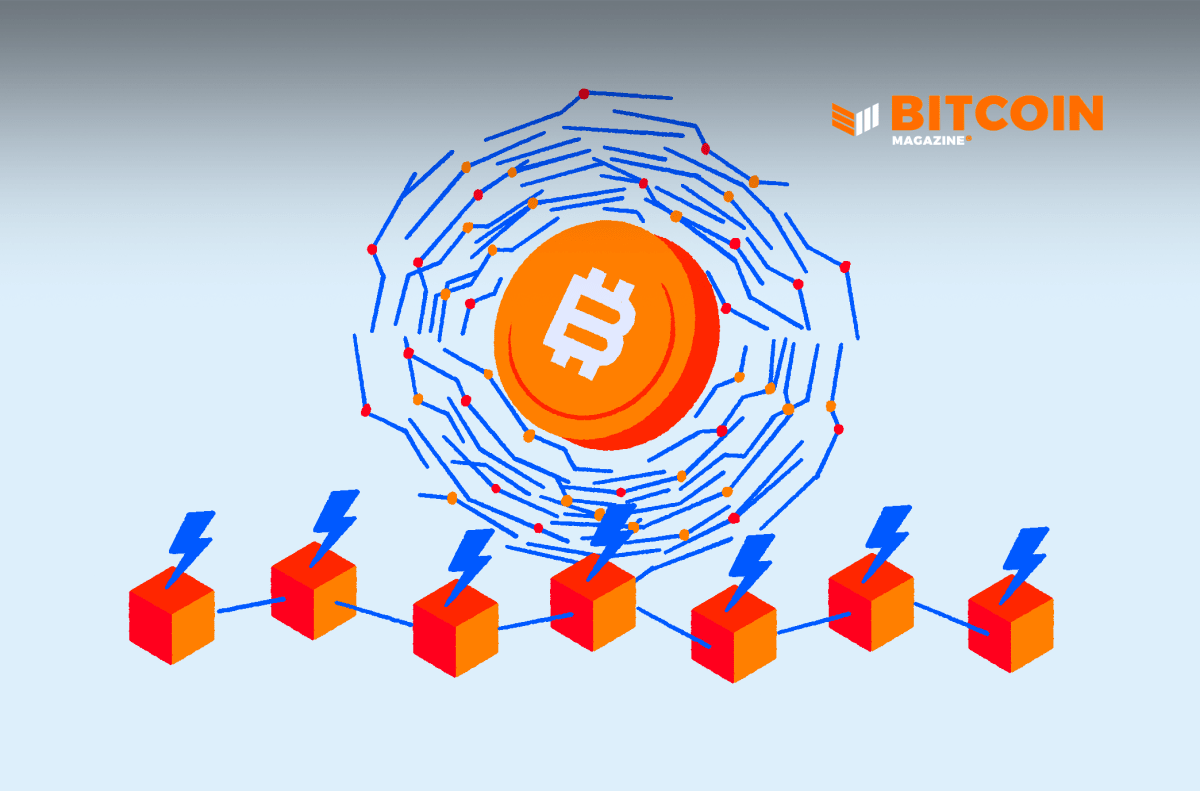
Understanding how the internet protocol was built using layers can help paint a picture of the Bitcoin network and how it can develop in a similar fashion.
This is a transcribed excerpt of the “Bitcoin Magazine Podcast,” hosted by P and Q. In this episode, they are joined by Nate of Voltage to talk about how the Lightning Network can transfer value instantly between two parties without having to involve an intermediary. The Lightning Network will allow the Bitcoin network to scale exponentially into the payments world.
Watch This Episode On YouTube Or Rumble
Listen To The Episode Here:
Q: What does “Layer 2” mean? Could we equate it and give examples back to the current internet infrastructure and how we interact with that to make it digestible? I found that explanation is most helpful.
Nate: So the internet is decentralized information. Bitcoin is decentralized money. When the internet was first being put together by geniuses 40-50 years ago, they [engineers] were just excited to pass bits and bytes to different college campuses. None of them had any idea of music streaming, video streaming, what we're doing right now, none of that was possible.
Different protocol layers had to be built on the internet on the TCP/IP protocol. I'm not an expert on it, but what we're doing right now is interacting with five or six layers of that base internet protocol. That increases things like throughput, bandwidth and quality, all that kind of stuff.
So the internet is this layered cake that you can visualize. You could Google “internet protocol layers,” and I'm pretty sure there’s some cool graphics for that. And Bitcoin is only a little over 12 years old now or something? Layer 1 is great. It's very secure. It's immutable, censorship resistant, all these really cool features. But the throughput has a problem if you impose global finance on top of it.
Layer 2 is this idea where you could do bitcoin transactions without having to fill the blocks or jam up the pipes of the base layer. We could still have that security apparatus in a way, but also get the instant settlement and finality without having to interact with that [base layer]. Lightning Network is one proposal of that block.
Blockstream has something called the Liquid Network where you basically just transfer bitcoin off of the Bitcoin base layer — you're not actually doing that, but that helps you visualize it. Lightning is similar, but different because Lightning has this sort of node gossip network system. It's just about taking the same concept that worked for the internet and applying it to this new money because bitcoin is the money of the internet, but it's also the internet of money in that respect.
Why this matters
This bitcoin story adds another data point to the current market tape and is useful when read alongside nearby source coverage.
Original source
Read on Bitcoin MagazineRelated market context

Claude AI Predicts and Backs Claver’s $10K XRP Price Prediction as Anthropic Faces Pompliano Backlash
Brad Garlinghouse wants XRP to become the institutional gold standard for crypto rails, while David Schwartz sees blockchain trans...

Best Crypto To Buy Now with $100: PEPS, Morpho, Near, BTC, Monero
Price check: 6 November 2026. All amounts are in US dollars. Traded-coin prices are market data snapshots and fluctuate. Presale p...

Aave’s Risk Manager Wants a Borrowing Speed Limit After Binance Hackers Took $44.6 Million
LlamaRisk, the risk manager for lending protocol Aave, is going to put a throttle on how much can be borrowed on Aave over certain...
Kalshi, Coinbase stock perps under threat ahead of CFTC deadline
Tomorrow will be a climactic moment in a competitive battle between the Chicago Board Options Exchange (CBOE), Kalshi, and Coinbas...

Conflux – Web3’s Next Billion Users
Why you should listen Most of crypto, Liang argues, competes for the same users and capital, moving them between chains with bridg...

If Crypto Can Be Frozen, Is It Yours?
Hackers took $6.43 billion from Binance on Oct. 29, according to blockchain analytics firm Elliptic. Within about an hour, Tether...