Inside The New COLDCARD Mk4 Bitcoin Hardware Wallet
Take a sneak peek at exclusive details about Coinkite’s upcoming hardware wallet.Bitcoin Magazine obtained exclusive access to details about the upcoming COLDCARD Mk4, the new version of Canada-based Coinkite’s Bitcoin h...
Archive context
Older archive item. Useful for background and entity history, but not a fresh market-moving signal.
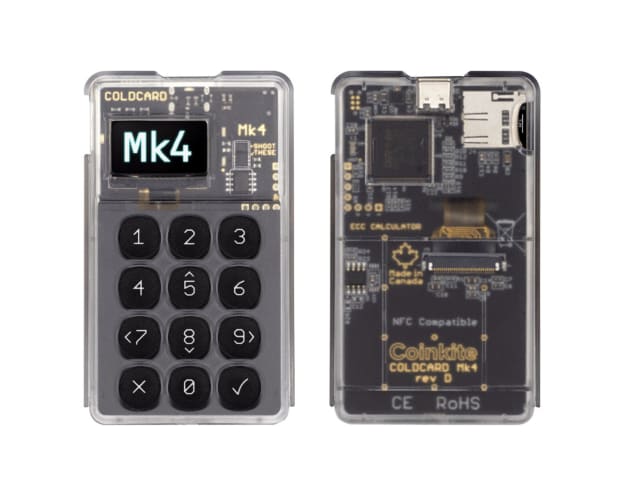
Take a sneak peek at exclusive details about Coinkite’s upcoming hardware wallet.
Bitcoin Magazine obtained exclusive access to details about the upcoming COLDCARD Mk4, the new version of Canada-based Coinkite’s Bitcoin hardware wallet that improves upon the popular COLDCARD Mk3.
The main features of the new model include a USB-C connector, no restrictions on Bitcoin transaction size, increased security with an extra secure element, NFC integration, a slide cover, a USB virtual disk mode, and an extensive “Trick PIN” optionality.
The front and back of Coinkite's upcoming hardware wallet, the COLDCARD Mk4. Photo courtesy of Coinkite. Near-Field Communication (NFC)In the connections front, the user can opt into using NFC with the Mk4 by enabling it in the device’s settings as the feature will come disabled by default. Once turned on, NFC will enable the COLDCARD to come near a compatible device to sign a transaction or a message, co-sign in a multisig setup, or share information from the device’s MicroSD card like a payment address or an extended public key, a partially-signed Bitcoin transaction (PSBT), a text file, or a transaction file.
Coinkite founder NVK told Bitcoin Magazine that the goal with NFC is to lower cost, improve UX, and further adoption.
“Imagine hardware wallets being able to just tap-to-pay,” he said.
Although QR codes have recently become popular in some hardware wallets, NVK said they haven’t been adopted in the larger payment industries because they have extremely low data bandwidth, are more complex and not human readable, and require more expensive hardware.
“This feature was added to improve phone-wallet UX as all modern phones have NFC, free, already sitting unused,” NVK said. “NFC will be available to all COLDCARD functions we are able to send or receive data, just like the SD card or USB cable.”
In addition to requiring NFC to be turned on for usage, NVK told Bitcoin Magazine that the Mk4 will also enable the user to permanently disable the feature by scratching a PCB trace exposed on the MicroSD opening.
An Extra Secure ElementWhile previous versions of the COLDCARD had a single secure element (SE), Mk4 brings a second SE to establish a more robust security model for the user’s private keys and suppress potential single points of failure. Moreover, the fact that the second SE is from a different vendor further protects the user from any unexpected bugs or issues with a specific SE design.
An attacker would need to fully compromise the two secure elements and the main microcontroller (MCU) before being able to extract seed words from the COLDCARD Mk4 as the device now distributes the encryption key among the three components. Additionally, even if all three components are compromised, the device’s PIN code would still be required.
‘Trick PINs’ And Additional ImprovementsMk4 also allows the user to set up multiple “Trick PINs.” While the actual PIN unlocks the device and enables wallet functions, Trick PIN codes can exert alternative functionality such as unlocking a duress wallet, triggering a long login delay, or bricking or blanking the COLDCARD.
These PINs are useful in different scenarios, but they can often come in handy in a physical attack where the user is coerced into unlocking their COLDCARD. For instance, the user can just use a Trick PIN for unlocking a duress wallet for plausible deniability. Alternatively, in a more extreme scenario, the user can type in a Trick PIN that wipes the COLDCARD clean and then bricks it, making it unusable.
Additional improvements brought by Mk4 over Mk3 include faster booting; a 120 Mhz CPU, up from 80 Mhz; maximum space for settings – now 512 KB, up from 4 KB; more multisig wallet possibilities; firmware upgrade now takes 15 seconds, down from two minutes; 216 bytes of new secure storage alongside main seed phrase; a flashing light indicating when the USB connection is in use; a USB disk emulation for simple use with web browsers and other PSBT sources; and a doubled flash memory for firmware, among other updates.
Mk4’s launch date is yet to be determined, but the device is available for pre-order at the Coinkite store.
Why this matters
This bitcoin story adds another data point to the current market tape and is useful when read alongside nearby source coverage.
Original source
Read on Bitcoin MagazineRelated market context
Samsung Wallet Brings USDC Transfers to 82 Million US Galaxy Devices in Late October
Samsung announced Oct. 7 that eligible Galaxy users in the US will be able to send USDC from Samsung Wallet starting in the last w...

Europol Urges Crypto Wallet Providers to Start Testing Post-Quantum Upgrades Now
Europol published two reports on Wednesday about the security risks of quantum computing, and the one on cryptocurrencies names wa...
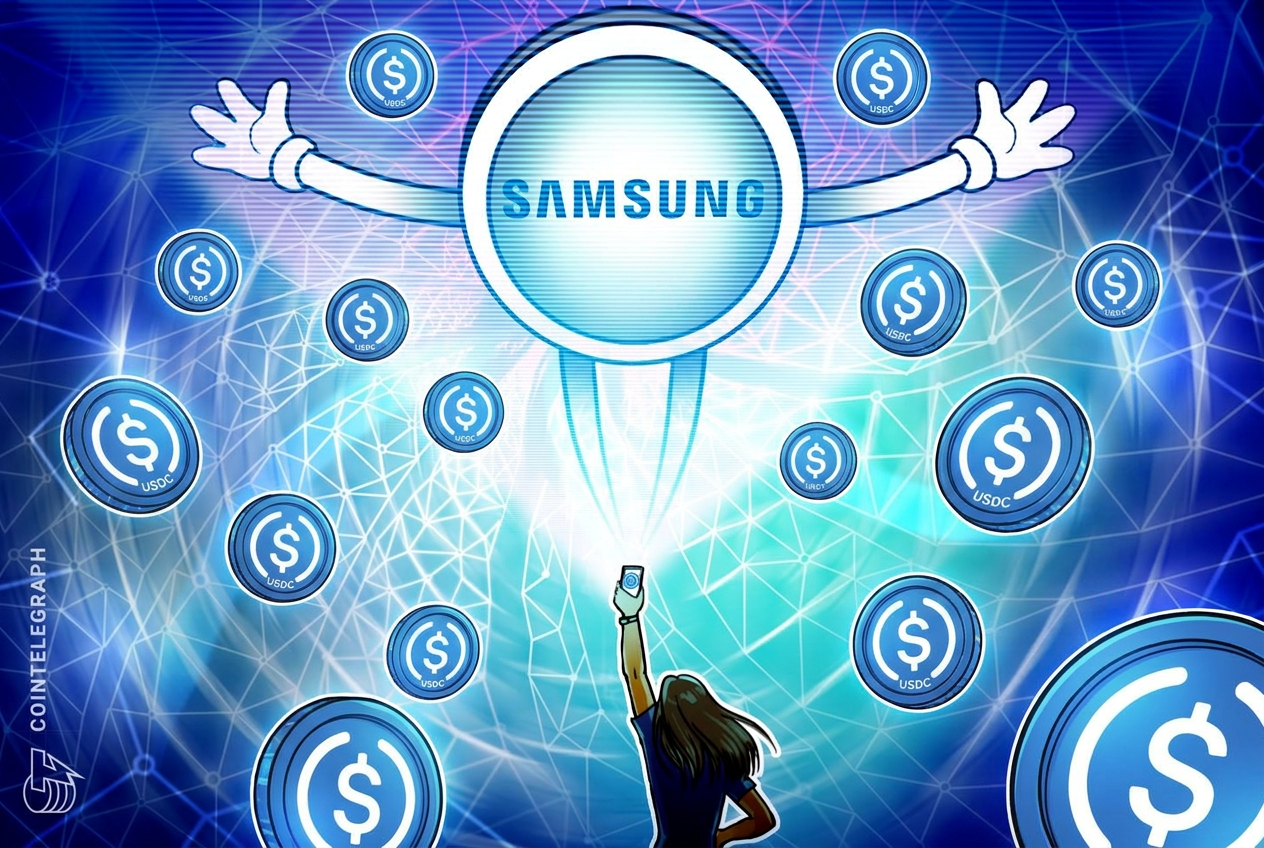
Samsung Wallet to add USDC transfers for US Galaxy users in October
Eligible US Galaxy will be able to send USDC to crypto wallets and transfer funds to bank accounts in more than 60 countries.

WhiteBIT Integrates Lightning Network for Fast and Cheap Bitcoin Transactions
Bitcoin Magazine WhiteBIT Integrates Lightning Network for Fast and Cheap Bitcoin Transactions The Lightning Network continues to...

Coinbase And Samsung Bring USDC Directly Into Samsung Wallet
TL;DR: Coinbase is powering USDC inside Samsung Wallet, with the stablecoin feature due to reach 82 million compatible Galaxy devi...
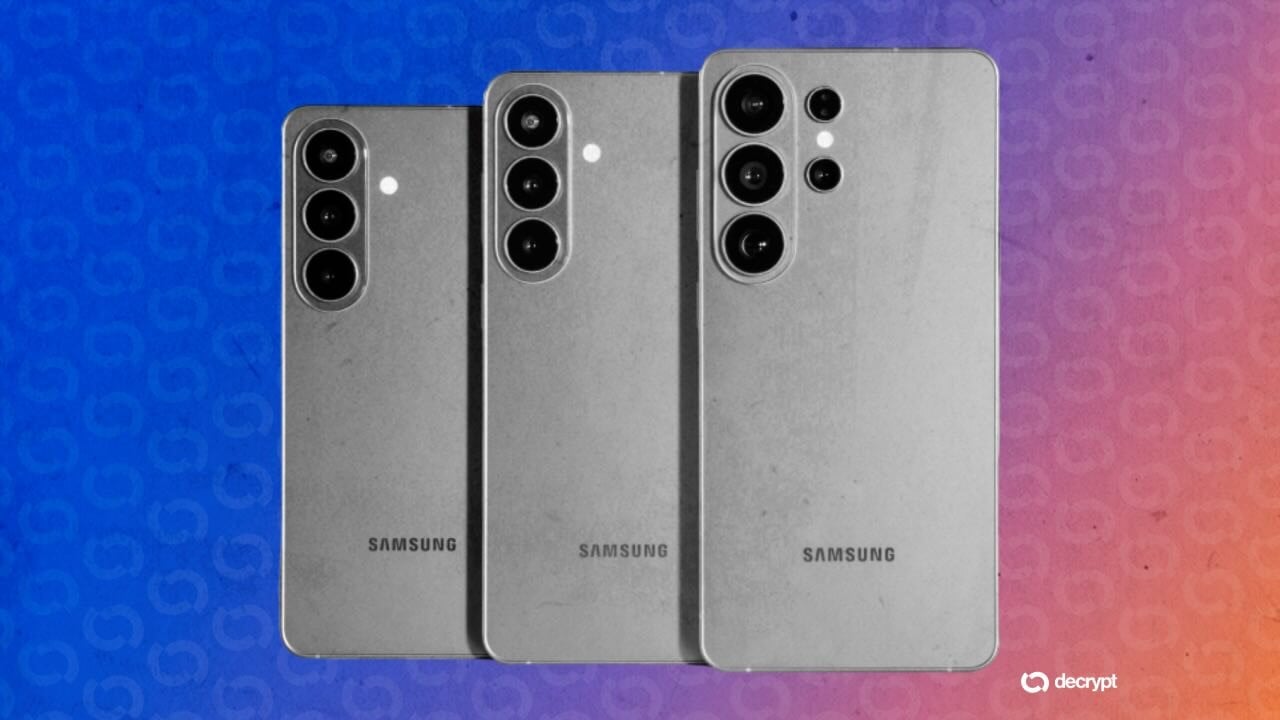
Samsung Wallet Taps Solana for USDC Transfers on 82M US Galaxy Devices
Users can send USDC across borders from late October, three months after Samsung teased stablecoin support without naming a blockc...