Jack Dorsey’s Block Releases UI Teaser, Seeks Partners For Highly Anticipated Self-Custody Bitcoin Wallet
A new blog post from Jack Dorsey’s Block detailed the progress being made on the custodial Bitcoin wallet the company is working on.Jack Dorsey’s Block has updated the Bitcoin community on the development of its self-cus...
Archive context
Older archive item. Useful for background and entity history, but not a fresh market-moving signal.
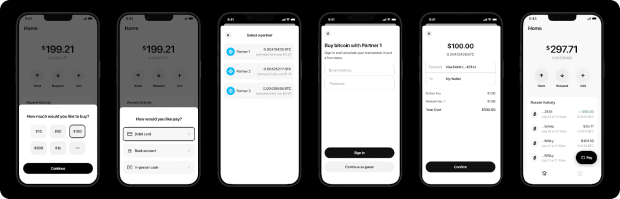
A new blog post from Jack Dorsey’s Block detailed the progress being made on the custodial Bitcoin wallet the company is working on.
Jack Dorsey’s Block has updated the Bitcoin community on the development of its self-custody Bitcoin wallet.
The goal, according to a blog post, is to build “a self-custody bitcoin wallet designed to empower the next 100 million people to truly own and manage their money with bitcoin.” First introduced in 2022, the product principles indicate Block’s desire to create a wallet that allows users to truly own and manage bitcoin “in a way that makes self-custody more accessible than ever before.”
Partners will seemingly be a major part of building the self-custody wallet. “Through global and local partnerships with exchanges and on/off ramp partners, we provide customers with ways to access a smooth, transparent buy and sell experience,” the blog post reads, “ultimately helping them navigate between fiat and bitcoin financial systems, wherever they are in the world.”
The post described the criteria for Block to partner with on and offramp firms highlighting global and regional reach and depth, product experience, price transparency, customer onboarding and trust and transparency.
Customer experience is also reiterated. Per an image shared in the blog post, users will seemingly be able to choose between different partners with transparent pricing, be prompted to sign in or continue as a guest, and then seamlessly receive their bitcoin into the self-custody wallet.
Beyond these details, the blog post elucidates on retail and distribution partners and payment partnerships., saying “In order to reach customers globally, we will build partnerships with companies who already have an established distribution network and ability to help our customers pay for the wallet with the most relevant local payment methods.”
In regards to effectively increasing bitcoin’s usage as a payment method, the post said that “This could look like point of sale partnerships with seller and merchant services, payroll partnerships and many other types of partnerships.”
The blog post concludes with a call for feedback, specifically asking for thoughts on if there are any criteria that should be adjusted, or if there are specific companies that Block should consider partnering with.
Why this matters
This bitcoin story adds another data point to the current market tape and is useful when read alongside nearby source coverage.
Original source
Read on Bitcoin MagazineRelated market context

Samsung Wallet Brings USDC to 82M Galaxy Devices With Coinbase, Solana and Sui Support
Key Takeaways: Samsung Wallet will support 82 million U.S. Galaxy to add transfers on USDC. Coinbase will keep USDC in their Coinb...

Cardano Foundation partners with University of Nicosia for blockchain course
This partnership highlights the growing trend of blockchain projects collaborating with academia, potentially shaping future indus...
Circle Brings USDC and EURC Into SAP Workflows Powering 84% of Global Commerce
Key Takeaways: Circle and Tereina are introducing USDC and EURC to the SAP payment flow. USDC will process eligible dollars while...
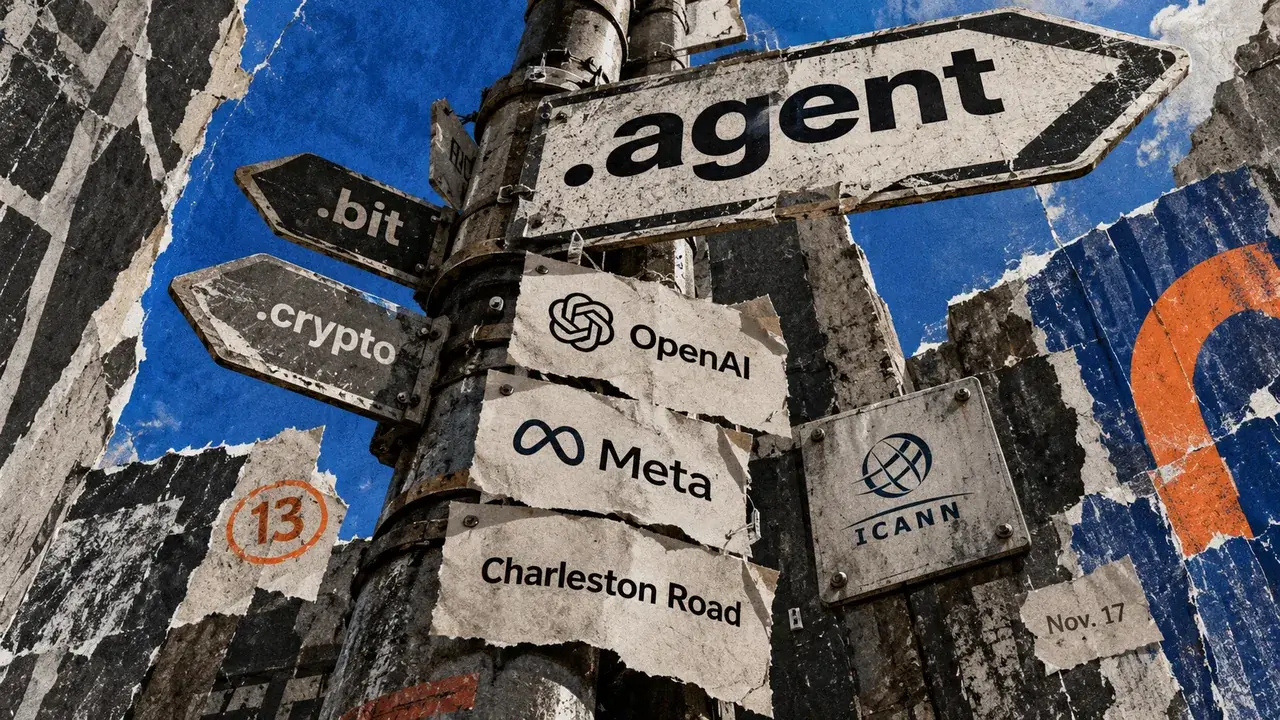
OpenAI, Google and Meta battle for AI internet domains as crypto firms target .bitcoin and .wallet
OpenAI, Google, and Meta are competing for AI-related internet domains as cryptocurrency firms pursue their own digital naming rig...

Former Visa and JPMorgan Execs Take Over El Salvador’s Chivo Wallet
According to Lionguard Labs, the new Chivo wallet will offer Salvadorans a comprehensive suite of services, including wallet-activ...

Stealing $1.5B in crypto is easy, cashing out is the trap
North Korean hackers stole around $1.5 billion from Bybit in February 2025. While the hack itself has been widely covered and anal...