JPMorgan Opens Bitcoin Access to Clients Amid $42B Crypto ETF Surge—but With a Catch
Key Takeaways: JPMorgan now allows clients to buy Bitcoin—but won’t provide custody or hold crypto directly. CEO Jamie Dimon remains critical of crypto, yet supports clients’ freedom to invest in it. This decision comes...
Archive context
Older archive item. Useful for background and entity history, but not a fresh market-moving signal.
Key Takeaways:
- JPMorgan now allows clients to buy Bitcoin—but won’t provide custody or hold crypto directly.
- CEO Jamie Dimon remains critical of crypto, yet supports clients’ freedom to invest in it.
- This decision comes after U.S. spot Bitcoin ETFs had raised $42 billion since they started in January 2024.
JPMorgan Chase, the biggest bank in the U.S., is making a big move into crypto by letting its customers buy Bitcoin directly without making a big deal about it. But it’s not fully integrated because it won’t hold the asset. This nuanced shift signals growing institutional acceptance, despite continued skepticism from top leadership.
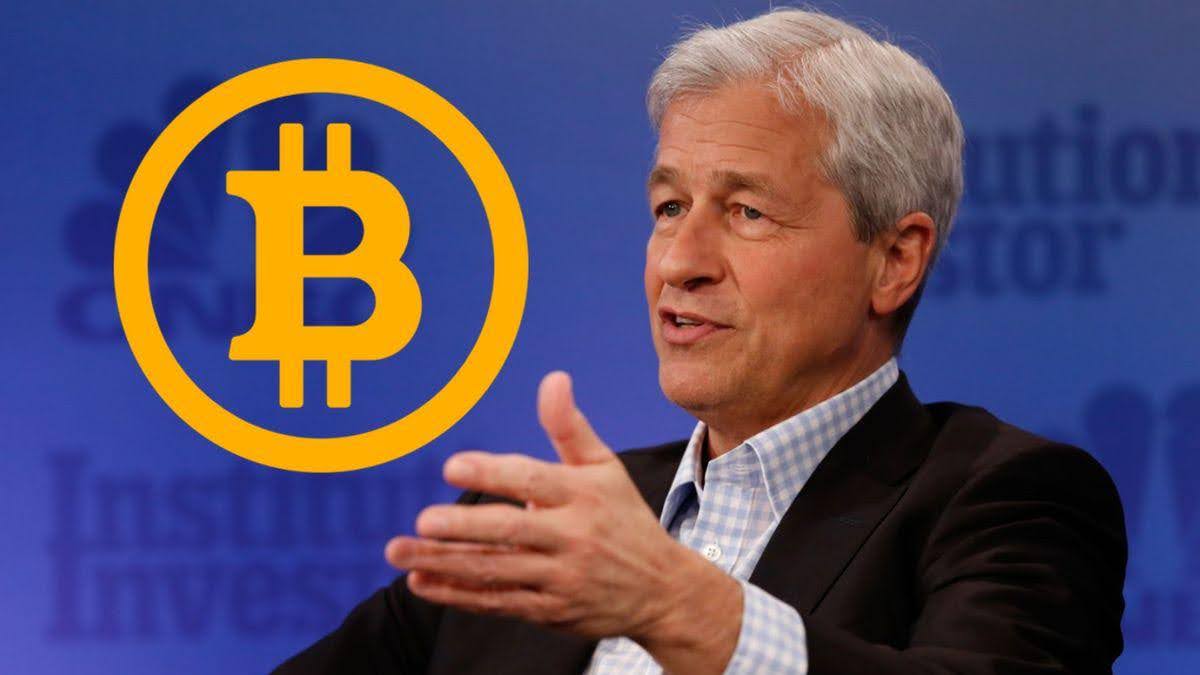
JPMorgan Quietly Joins the Bitcoin Access ClubIt’s a big change for JPMorgan Chase to let its wealth management clients buy Bitcoin. This is a huge move for the bank because they have always been cautious of cryptocurrency. Chief Executive Officer Jamie Dimon discussed the news during the annual Investor Day presentation.
Customers should be aware that JPMorgan will not hold any Bitcoin, even though they can now purchase it. Instead, these positions will be reflected on client statements via third-party custodians, keeping the bank at arm’s length from the asset class.
This approach mirrors similar models adopted by other major U.S. financial institutions. Morgan Stanley, for example, has already enabled access to spot Bitcoin ETFs for eligible clients, joining a broader wave of institutional interest driven by explosive ETF inflows.
Jamie Dimon: Still a Skeptic—But Backing Clients’ ChoiceEven though JPMorgan has added this new service, its CEO is still one of the fiercest skeptics of Bitcoin. Jamie Dimon has always called the Bitcoin “worthless.” In a Senate hearing in 2023, he called it a way to “launder money, avoid taxes, and do illegal things.”
But it looks like Dimon’s views on personal choice are changing. He said during a recent investor call, “I don’t believe in it, but if you want to buy it, we’ll let you.” He compared it to letting someone smoke even if he doesn’t agree with it.
This hands-off approach, which makes it easier to get to things without endorsing them, is becoming more common in U.S. finance. By enabling access but refusing custody, banks like JPMorgan aim to serve rising customer demand while shielding themselves from regulatory complexity and reputational risk.
Read More: First U.S. Bank Issues Stablecoin on a Permissionless Blockchain
Bitcoin ETF Momentum Pressures Traditional Banks $42 Billion in Inflows Reshaping Institutional Crypto AccessIt’s hardly a coincidence that JPMorgan is changing its plans now. In January 2024, the U.S. Securities and Exchange Commission (SEC) said it was okay for spot Bitcoin ETFs to exist. Since then, a lot of money has come in. For example, BlackRock’s iShares Bitcoin Trust and Fidelity’s Wise Origin Bitcoin Fund have brought in more than $42 billion.
These ETFs have made it significantly easier—and safer—for traditional financial advisors and institutions to offer crypto exposure to clients without dealing directly with wallet management or private keys.
As a result, banks previously hesitant to touch digital assets are now reassessing their stance. JPMorgan’s latest move could be viewed as a reaction to this trend, as competition mounts among wealth managers to retain high-net-worth clients seeking diversified, high-growth opportunities.
Read More: Crypto.com Teams Up with Green Dot to Expand Banking and Crypto Access for U.S. Customers
A Calculated Entry into Crypto, Without the RiskJPMorgan’s approach is clear: open the door, but don’t step in too far. By integrating third-party custodians and avoiding direct crypto custody, the bank minimizes its operational risk and regulatory exposure.
This limited involvement aligns with updated guidance from U.S. regulators. While agencies like the FDIC and OCC have softened their anti-crypto positions in 2024, full-scale digital asset integration remains heavily restricted—particularly for banks bound by stringent capital reserve requirements and compliance protocols.
Still, even this partial embrace is a seismic shift for JPMorgan. For years, the bank’s crypto exposure was limited to CME-traded futures and structured notes. Direct Bitcoin access—even via intermediaries—marks a turning point.
As interest in “digital gold” continues to rise amid macro uncertainty, this move may push other conservative institutions off the sidelines and into the evolving digital asset landscape.
The post JPMorgan Opens Bitcoin Access to Clients Amid $42B Crypto ETF Surge—but With a Catch appeared first on CryptoNinjas.
Why this matters
This bitcoin story adds another data point to the current market tape and is useful when read alongside nearby source coverage.
Original source
Read on CryptoNinjasRelated market context

Polygon Open Money Stack Expands to TRON, Extending Network Access to Regulated U.S. Payment Rails
Dubai, UAE – October 8, 2026 – Polygon Labs today announced that Polygon Open Money Stack now supports the TRON network, giving fi...

Tether Signs Deal With Kazakhstan's Central Bank to Explore a Stablecoin and Tokenized Assets
Tether, issuer of the USDT stablecoin, will help Kazakhstan's central bank study a tenge-pegged token and put real-world assets on...
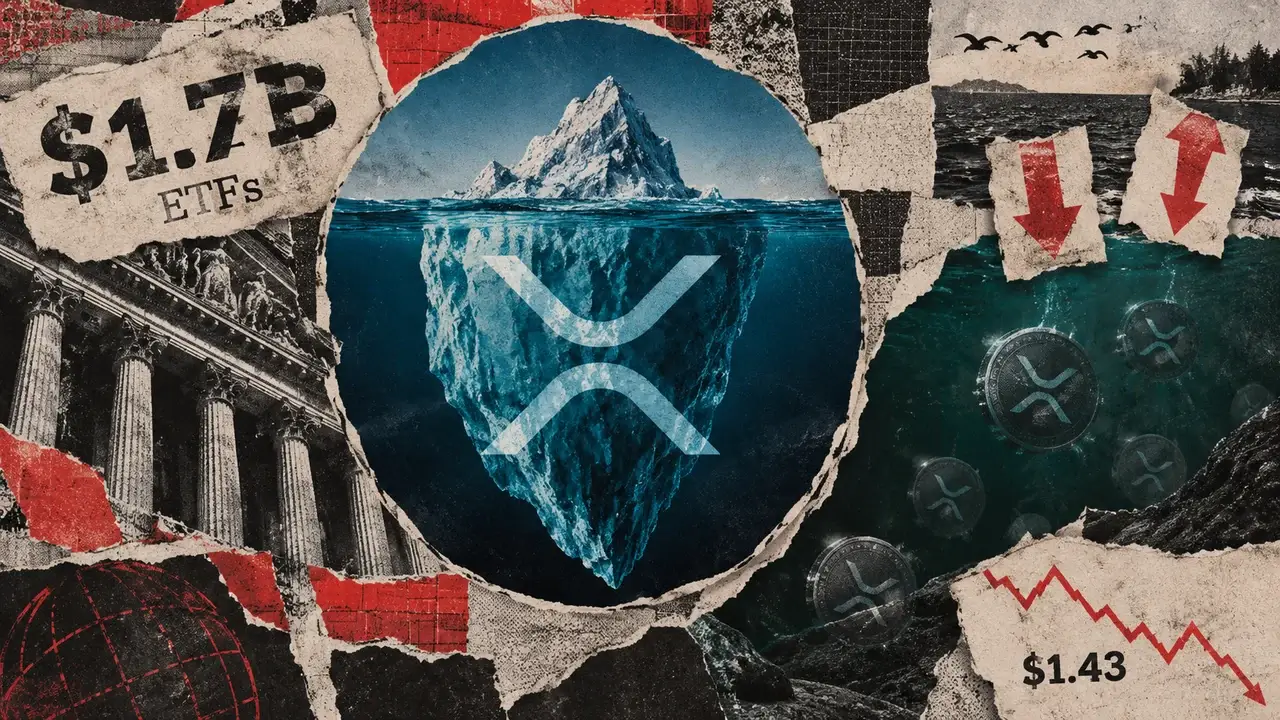
XRP ETFs now hold $1.7 billion but took in just $4M last week
XRP traded around $1.43 on Oct. 7, down 5.46% over 24 hours. Five tracked US spot XRP ETFs held an estimated $1.7 billion at the p...

Chainlink’s Sergey Nazarov discusses digital assets and AI at Sibos 2026
The shift towards tokenized deposit chains by banks signifies a move from experimentation to infrastructure ownership, necessitati...

Tether, Kazakhstan cenbank mull tenge stablecoin and asset tokenization
The agreement will explore a tenge-backed stablecoin pilot and a framework for tokenizing real-world assets as Kazakhstan expands...

Wells Fargo Reportedly Talking With Kraken Parent Payward to Source Crypto Trading Liquidity
Wells Fargo is in discussions with Payward, the company that operates the Kraken exchange, about a deal that would have Payward su...