New LDK Node Library Simplifies Self-Custodial Lightning Nodes For Mobile Apps
LDK Node, a new Lightning node library, has been announced, offering developers a simplified and ready-to-go solution for setting up a self-custodial Lightning node. Built using LDK and BDK, LDK Node provides a straightf...
Archive context
Older archive item. Useful for background and entity history, but not a fresh market-moving signal.
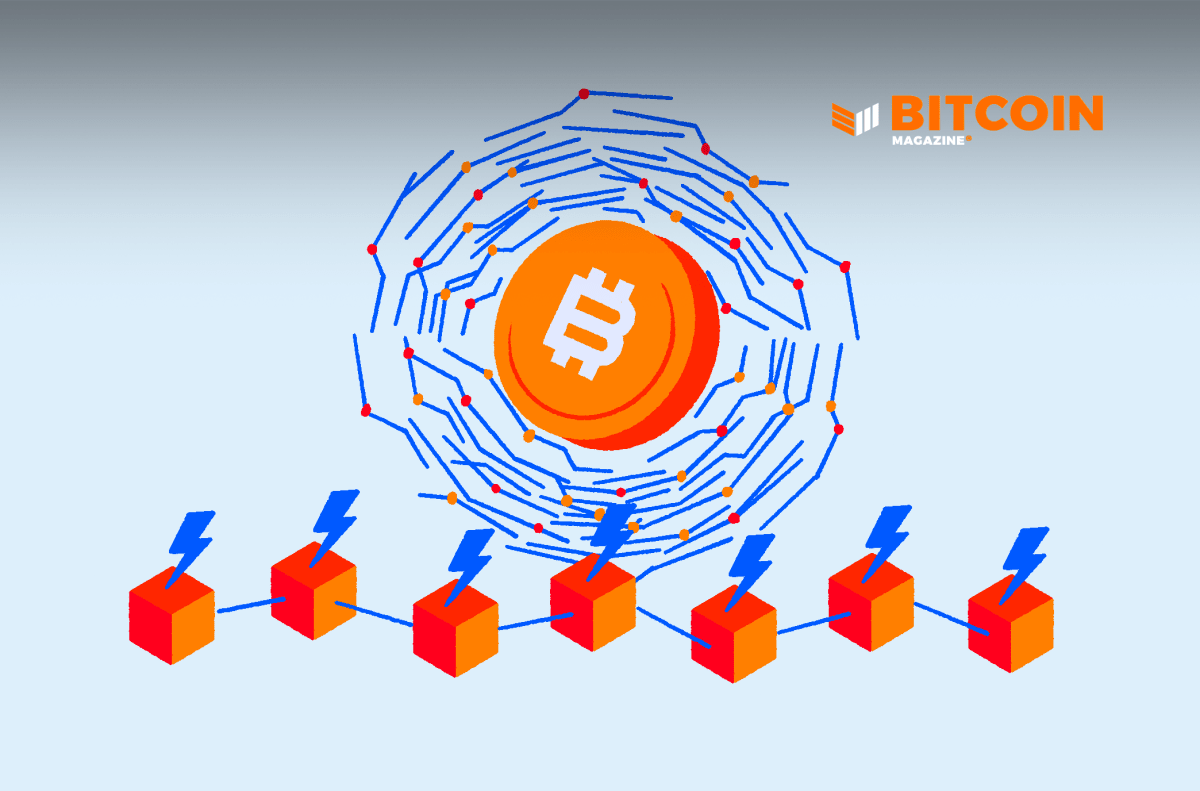
LDK Node, a new Lightning node library, has been announced, offering developers a simplified and ready-to-go solution for setting up a self-custodial Lightning node. Built using LDK and BDK, LDK Node provides a straightforward interface and an integrated on-chain wallet, allowing developers to quickly and easily establish a Lightning node within a day.
Unlike its predecessor LDK, which offers extensive customization options but requires a deeper understanding of protocol fundamentals, LDK Node focuses on simplicity and ease of use. With a reduced API surface comprising around 30 API calls, LDK Node simplifies the integration of self-custodial Lightning nodes in various use cases while hiding protocol complexities.
The initial release of LDK Node includes several design choices and modules. The integrated BDK wallet handles on-chain data, and chain data can be sourced from an Esplora server, with support for Electrum and bitcoind RPC planned for the future. Gossip data can be obtained via Lightning's peer-to-peer network or the Rapid Gossip Sync (RGS) protocol. LDK Node also offers the means to source entropy for Lightning and on-chain wallets, as well as generate and persist entropy bytes to disk.
LDK Node is specifically designed to facilitate the integration of self-custodial Lightning nodes in mobile applications. Its features are tailored for mobile deployments, with integration options available for Swift, Kotlin, Python and Flutter. By offering language bindings and compatibility with mobile environments, LDK Node aims to simplify the process of deploying self-custodial Lightning nodes on end-user devices.
Looking ahead, the development team behind LDK Node has already started working on the next release, which will introduce support for sourcing chain data from Electrum or bitcoind RPC and persistence to a Versioned Storage Service (VSS) backend. Integration with the Language Server Protocol (LSP) specification is also in progress. The team is actively considering adding server-grade modules in the future.
For developers interested in exploring LDK Node, the GitHub repository, API documentation, and Rust Crate provide further resources. Additionally, there is a showcase called Monday Wallet, an example wallet built with LDK Node Swift bindings, demonstrating the capabilities of the library in real-world applications.
Why this matters
This bitcoin story adds another data point to the current market tape and is useful when read alongside nearby source coverage.
Original source
Read on Bitcoin MagazineRelated market context

Slush Wallet adds Halliday integration to simplify deposits into Sui
The integration reduces onboarding friction, potentially increasing Sui adoption by simplifying cross-chain and fiat-to-crypto tra...

OpenAI, Google and Meta battle for AI internet domains as crypto firms target .bitcoin and .wallet
OpenAI, Google, and Meta are competing for AI-related internet domains as cryptocurrency firms pursue their own digital naming rig...

Samsung Wallet Brings USDC to 82M Galaxy Devices With Coinbase, Solana and Sui Support
Key Takeaways: Samsung Wallet will support 82 million U.S. Galaxy to add transfers on USDC. Coinbase will keep USDC in their Coinb...

Aave MCP now connects with MetaMask Agent Wallet for AI-driven DeFi actions
AI-driven DeFi integration enhances automation and security, empowering users with greater control and developers with streamlined...

U.S. Government Sends $1 Billion in Seized Bitfinex Bitcoin to Unlabeled Wallets
A wallet holding bitcoin stolen in the 2016 Bitfinex hack sent 12,267 BTC, worth about $1.01 billion, to new addresses on Thursday...
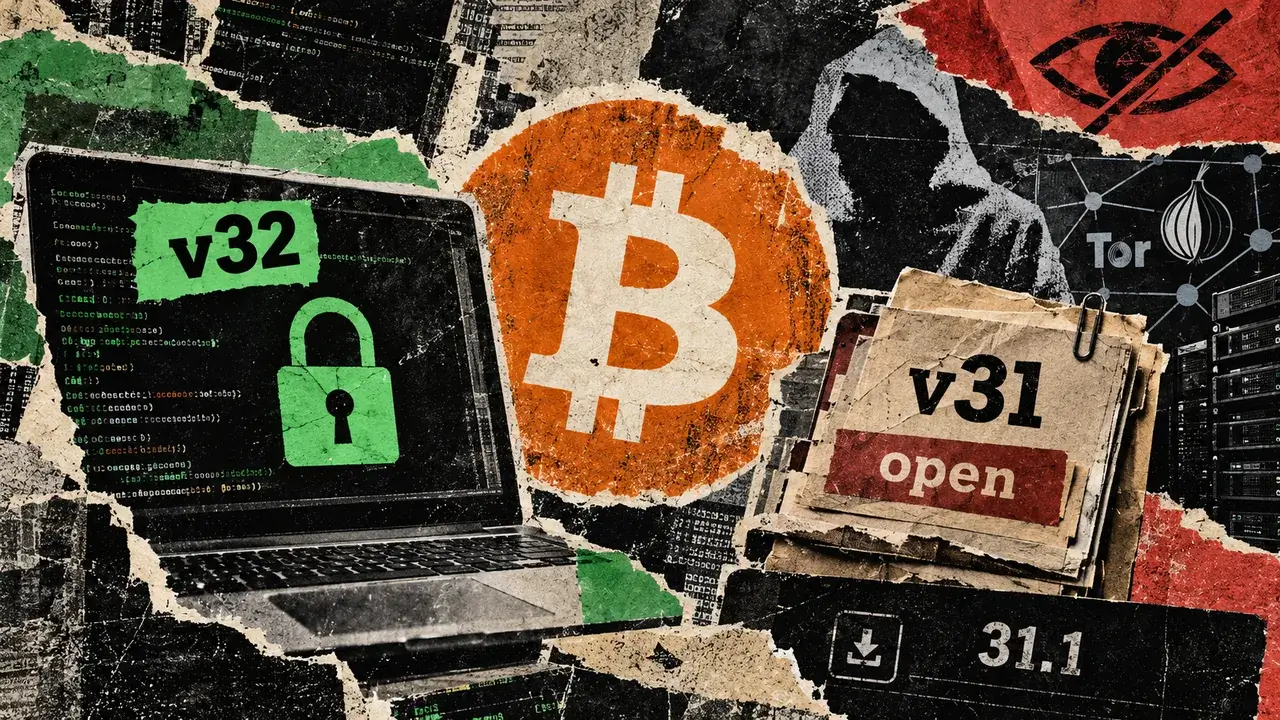
Bitcoin Core’s privacy fix reaches v32 code while the v31 patch remains open
Bitcoin Core has merged a privacy fix into its 32.x source branch addressing behavior that could correlate private-broadcast conne...