North Carolina House Passes Bill Prohibiting State Payments With CBDCs
The North Carolina House of Representatives has unanimously passed House Bill 690, which prohibits the use of central bank digital currencies (CBDC) for payments to the state or any participation by the state in Federal...
Archive context
Older archive item. Useful for background and entity history, but not a fresh market-moving signal.
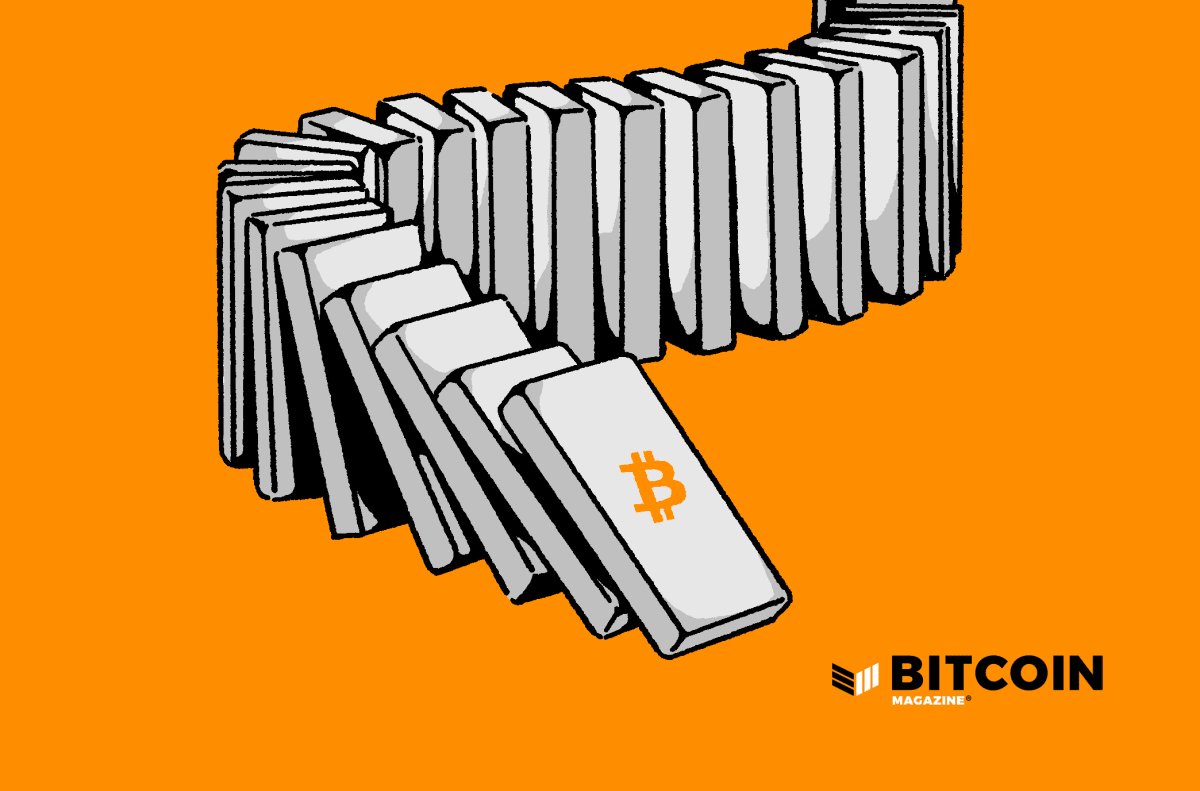
The North Carolina House of Representatives has unanimously passed House Bill 690, which prohibits the use of central bank digital currencies (CBDC) for payments to the state or any participation by the state in Federal Reserve branch testing of CBDC. The bill is now headed to the state Senate, where it is expected to be approved as well.
The latest version of the bill replaces the term "cryptocurrency" with "central bank digital currency," which is defined as a digital currency, a digital medium of exchange, or a digital monetary unit of account issued by the US Federal Reserve System or a federal agency.
This new edition came after lawmakers seemingly mistakenly first introduced the bill with language that would encompass bitcoin as well. The bill also prohibits any state agency or the General Court of Justice from accepting payments using CBDCs and from participating in any test of a CBDC by any Federal Reserve branch.
Dan Spuller, Director of Industry Affairs at the Blockchain Association, explained to Bitcoin Magazine how the bill could serve as a model for other states, including Tennessee and Virginia. He also expressed his support for Bitcoin, stating that "any bill that is anti-CBDC is pro-Bitcoin." Spuller added that the bill’s language aimed to keep things "fairly simple, to the point and effective."
The bill received unanimous approval from the North Carolina House of Representatives, with a vote of 118-0. After the bill heads to the state Senate, if approved, it will need to be signed into law by the governor.
Why this matters
This bitcoin story adds another data point to the current market tape and is useful when read alongside nearby source coverage.
Original source
Read on Bitcoin MagazineRelated market context

HSBC and Ant Digital test AI-agent payments with tokenized deposits
AI-agent payments with tokenized deposits could revolutionize financial transactions, enhancing efficiency and security in digital...
LiquidAcre Selects Uphold to Power Digital Asset Infrastructure and Future Tokenized Real Estate Offerings
LiquidAcre, a financial technology company building a platform designed to expand access to real-world assets and digital financia...

U.S. Government Sends $1 Billion in Seized Bitfinex Bitcoin to Unlabeled Wallets
A wallet holding bitcoin stolen in the 2016 Bitfinex hack sent 12,267 BTC, worth about $1.01 billion, to new addresses on Thursday...
XRPL’s $1.34 billion stablecoin base doesn’t tell us how much XRP users need
Tracked stablecoins on the XRP Ledger totaled $1.338 billion on Oct. 7. For XRP holders, the critical question is how much activit...

Stealing $1.5B in crypto is easy, cashing out is the trap
North Korean hackers stole around $1.5 billion from Bybit in February 2025. While the hack itself has been widely covered and anal...

ESMA seeks feedback on tokenized collateral at EU clearing houses
ESMA's scrutiny of tokenized collateral could reshape regulatory frameworks, impacting financial stability and innovation in digit...