Sen. Elizabeth Warren Introduces Sweeping Anti-Privacy, Anti-Freedom Bitcoin Bill
U.S. Senators have introduced a bill that would have a direct impact on the categorization and regulation of bitcoin miners, wallets and nodes.Senators Elizabeth Warren (D-Mass) and Senator Roger Marshall (R-Kan) have in...
Archive context
Older archive item. Useful for background and entity history, but not a fresh market-moving signal.

U.S. Senators have introduced a bill that would have a direct impact on the categorization and regulation of bitcoin miners, wallets and nodes.
Senators Elizabeth Warren (D-Mass) and Senator Roger Marshall (R-Kan) have introduced the “Digital Asset Anti-Money Laundering Act Of 2022,” a bill which would have sweeping impacts on the privacy of bitcoin users.
If enacted, the bill would require custodial and self-custodial wallet providers and miners to implement know-your-customer (KYC) systems. It would also prohibit financial institutions from interacting with privacy tools such as CoinJoin in an effort to limit the ability of users to maintain their privacy. While the bill focuses on such measures in order to curb money laundering, tools such as CoinJoin simply restore the users’ ability to use bitcoin in a way that more closely resembles physical cash. That is, the bank knows when a client withdraws cash at an ATM, but has limited knowledge of what any user does with it afterwards. This cash-like attribute is only realized in cryptocurrencies through tools such as CoinJoins. In addition to this, regulating bodies would be allowed to file reports and surveil users without need for a warrant or government request.
According to the bill, it also calls for a “rule classifying custodial and unhosted wallet providers, cryptocurrency miners, validators, or other nodes who may act to validate or secure third-party transactions, independent network participants, including MEV searchers, and other validators with control over network protocols as money service businesses,” which would imply that Bitcoin nodes would be classified as such as well.
The bill seeks for the Financial Crimes Enforcement Network (FinCEN) to implement the guidance which, according to blockchain advocacy group CoinCenter, “is the most direct attack on the personal freedom and privacy of cryptocurrency users and developers we’ve yet seen.”
Senator Elizabeth Warren has previously expressed her desire to regulate the cryptocurrency industry, most recently after the collapse of FTX. The bill would likely face extensive scrutiny as, amongst many other issues, it would force unhosted wallets providers to register before publishing their products, effectively placing limits on free speech, as code has been proven to be free speech.
Why this matters
This bitcoin story adds another data point to the current market tape and is useful when read alongside nearby source coverage.
Original source
Read on Bitcoin MagazineRelated market context
Here’s How Not To Screw up Your Bitcoin Privacy
Bitcoin Magazine Here’s How Not To Screw up Your Bitcoin Privacy Just one transaction can compromise years of discreet Bitcoin act...

AI Could Weaken Ethereum Security as Cryptographic Risks Grow, Vitalik Buterin Warns
Buterin urged developers to prepare for potential AI vulnerabilities in both conventional and quantum-resistant cryptography, whil...

Stealing $1.5B in crypto is easy, cashing out is the trap
North Korean hackers stole around $1.5 billion from Bybit in February 2025. While the hack itself has been widely covered and anal...

Bitcoin's $19 billion wake-up call: One-year later, has crypto learned anything?
One year after a flash crash wiped out billions in leveraged crypto bets, traders have better tools to spot risks. But the forces...
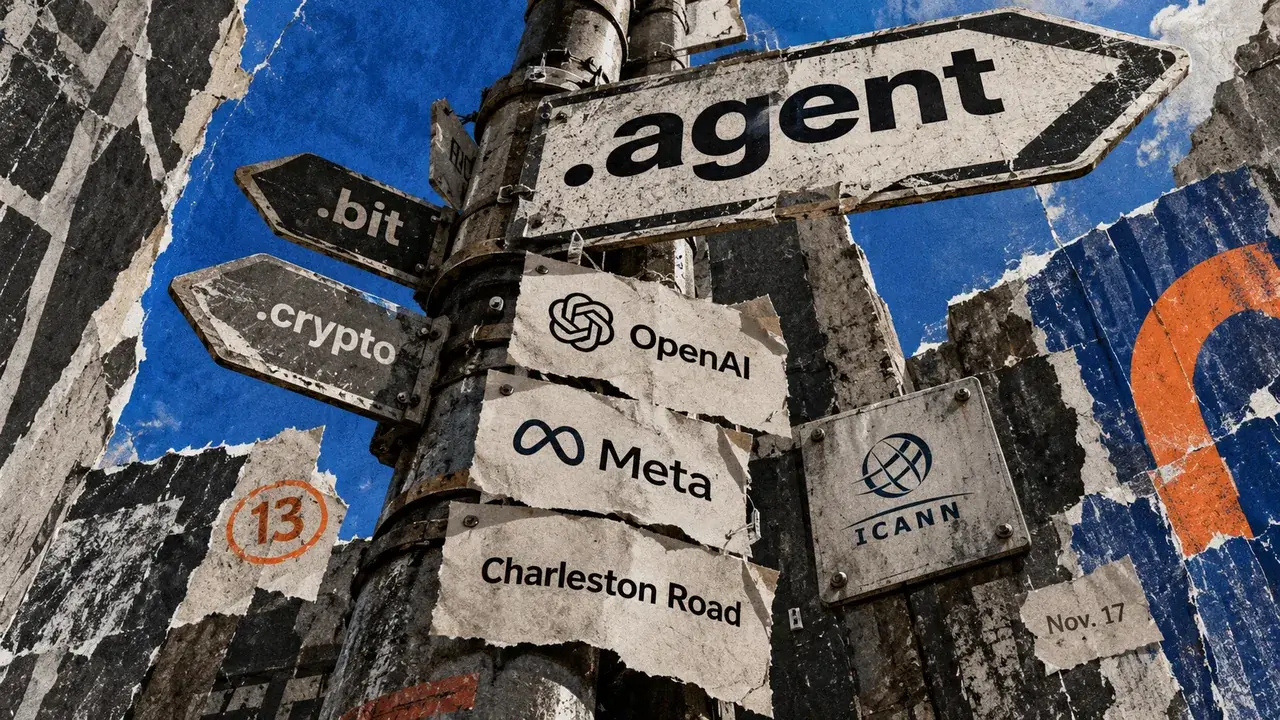
OpenAI, Google and Meta battle for AI internet domains as crypto firms target .bitcoin and .wallet
OpenAI, Google, and Meta are competing for AI-related internet domains as cryptocurrency firms pursue their own digital naming rig...

Sui’s Hashi Launches With $500M to Turn Bitcoin Into Productive DeFi Collateral Markets
Key Takeaways: With more than $500 million in locked-in tokens, Hashi will launch its phased mainnet launch. The protocol enables...