The Fall Of Bitcoin In The Central African Republic: Why This Legal Tender Experiment Failed
This is an opinion editorial by Jonathan Buck, founder of JB & GS Mining GmbH, a German bitcoin mining hosting company.In April 2022, the Central African Republic (CAR) adopted bitcoin as legal tender, becoming the secon...
Archive context
Older archive item. Useful for background and entity history, but not a fresh market-moving signal.

This is an opinion editorial by Jonathan Buck, founder of JB & GS Mining GmbH, a German bitcoin mining hosting company.
In April 2022, the Central African Republic (CAR) adopted bitcoin as legal tender, becoming the second nation in history to do so. However, just a year later, the nation reversed its decision. But what are the reasons behind this failure in the CAR?
Challenging Economic ConditionsThe CAR, one of the poorest countries in the world, faces numerous obstacles, such as political instability, inadequate infrastructure and food shortages.
In the 2018 Human Development Index, the CAR ranked second to last, with around 79% of its 4.7 million residents living in poverty. More than three million people in the country are reported to require humanitarian assistance while more than 85% of the population lacks electricity.
One of the significant barriers to the success of the Bitcoin project in the CAR was surely the country’s limited internet access. With only about 10% percent of the population having access to the internet, widespread adoption of digital currencies was highly unlikely.
While Bitcoin has been helping to bank the unbanked globally, the digital currency alone cannot solve all of a country's underlying infrastructure problems. And while Bitcoin can be resilient off the grid, the lack of basic amenities such as electricity and internet in CAR likely hindered the spread and usability of Bitcoin there.
Skepticism And International ConcernThe introduction of bitcoin as legal tender in CAR was met with skepticism, partly due to the country’s close ties with Russia, raising suspicions about its potential plans to use cryptocurrencies to bypass sanctions.
The United Nations also warned that developing countries like the CAR could face high risks and costs associated with cryptocurrencies.
And, ultimately, the economic benefits promised by the proponents of Bitcoin in the CAR never materialized. Ambitious projects, such as building a “Bitcoin city,” failed or never began, further dampening enthusiasm for the digital currency experiment.
A Larger Trend?
Despite the disappointment in the CAR, Bitcoin and other cryptocurrencies have been gaining traction in other African countries. For example, countries such as Nigeria and South Africa have seen a significant increases in bitcoin adoption, with millions of users now buying, selling and trading digital assets. In these countries, the growth of the cryptocurrency industry has been driven by factors such as the high inflation rate of local fiat currencies; an increasing number of young, tech-savvy individuals; and a growing number of businesses accepting bitcoin as a payment method.
In the end, the failure of bitcoin as legal tender in the CAR can be attributed to the nation's challenging economic conditions, skepticism surrounding its motives, limited access to technology and unfulfilled peripheral promises.
But despite this failure, other African countries represent some of the world’s most promising, growing epicenters of Bitcoin adoption. If anything, this failure in the CAR highlights the importance of developed environments and good-faith intentions for the successful adoption of Bitcoin, at least for the first handful of countries that hope to be successful.
This is a guest post by Jonathan Buck. Opinions expressed are entirely their own and do not necessarily reflect those of BTC Inc or Bitcoin Magazine.
Why this matters
This bitcoin story adds another data point to the current market tape and is useful when read alongside nearby source coverage.
Original source
Read on Bitcoin MagazineRelated market context
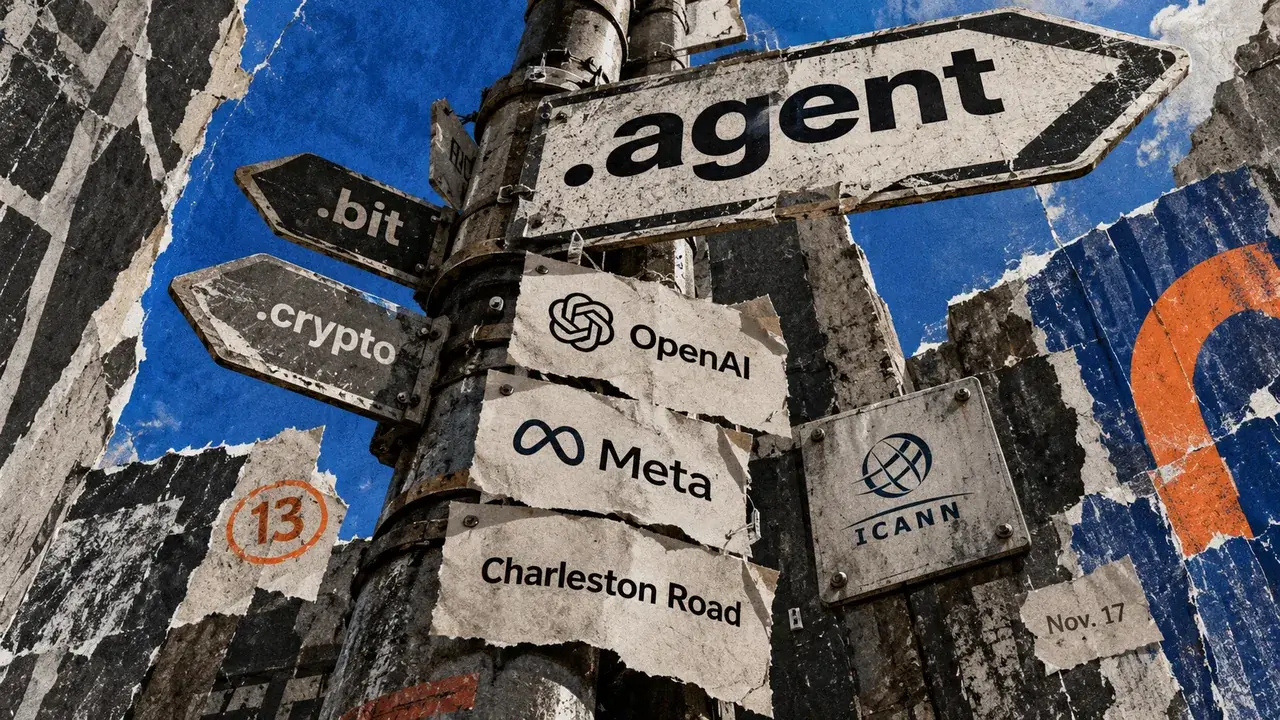
OpenAI, Google and Meta battle for AI internet domains as crypto firms target .bitcoin and .wallet
OpenAI, Google, and Meta are competing for AI-related internet domains as cryptocurrency firms pursue their own digital naming rig...

China calls for national blockchain network in new technology push
China's blockchain initiative could redefine global data markets, emphasizing state control and potentially influencing internatio...

Stealing $1.5B in crypto is easy, cashing out is the trap
North Korean hackers stole around $1.5 billion from Bybit in February 2025. While the hack itself has been widely covered and anal...

Problem gambling council chief resigns after Kalshi donation controversy
The resignation highlights governance challenges and risks eroding trust, potentially impacting future collaborations and funding...

HSBC and Ant Digital test AI-agent payments with tokenized deposits
AI-agent payments with tokenized deposits could revolutionize financial transactions, enhancing efficiency and security in digital...

LiquidAcre Selects Uphold to Power Digital Asset Infrastructure and Future Tokenized Real Estate Offerings
LiquidAcre, a financial technology company building a platform designed to expand access to real-world assets and digital financia...