US Government Frames Bitcoin Privacy As “Criminal”
In another unfortunate turn of events for anyone hoping their right to privacy to be protected as guaranteed by the US Constitution, the UN Declaration of Human Rights, or applicable state and federal law, the US governm...
Archive context
Older archive item. Useful for background and entity history, but not a fresh market-moving signal.

In another unfortunate turn of events for anyone hoping their right to privacy to be protected as guaranteed by the US Constitution, the UN Declaration of Human Rights, or applicable state and federal law, the US government has argued that the disclosure of proprietary Chainalysis heuristics information in the case US vs. Sterlingov would “jeopardize numerous law enforcement investigations and impact the effectiveness of law enforcement tracing tools” by enabling the development of “criminal countermeasures to blockchain analysis.”
The oath each and every US government employee pledges when first taking office reads: “I do solemnly swear that I will support and defend the Constitution of the United States against all enemies, foreign and domestic; that I will bear true faith and allegiance to the same; that I take this obligation freely, without any mental reservation or purpose of evasion, and that I will well and faithfully discharge the duties of the office on which I am about to enter. So help me God."
Apparently, this oath is only applicable so long it serves the US government’s agenda. While attempting to retain a protective order to seal the disclosure of Chainalysis heuristic information, the US government has, in essence, argued that the right to privacy does not exist when transacting on the blockchain. In the newly released court documents, the US government defines software developed to protect individual financial privacy on the blockchain, such as coinjoins, as “adversarial”, contending that the disclosure of Chainalysis training methods and techniques bears the reasonable expectation to enable “circumvention of the law.”
Unfortunately, it is unclear which laws the US government is referring to. The argument that the disclosure would enable “ criminals, drug trafficking organizations, and terrorists” to circumvent law enforcement cannot be made in good faith, as Chainalysis’ own 2023 Crypto Crime Report has found the overall transaction volume of illicit activity to lay at merely 0.24%.
Just as the early internet was allegedly only used for crime, the share of day-to-day commerce on the blockchain increases as Bitcoin adoption grows. It therefore cannot be argued that the development of privacy protecting software is adversarial in any sense of the word, except to Chainalysis’ business model and the surveillance agenda of the US intelligence complex, who invested $1.67 Million USD in Chainalysis in 2020 and another $1.64 Million USD in 2021 via the Central Intelligence Agency’s venture capital fund In-Q-Tel.
As long as the development and use of privacy protecting software such as PGP, E2EE or VPNs cannot be deemed as criminal under the first and fourth amendment, neither can the development or use of software aimed to protect one’s financial privacy in Bitcoin. However, it appears that constitutional frameworks do not stop the US government from putting forward statements which directly undermine the people’s right to protection from unwarranted surveillance.
Classifying blockchain surveillance countermeasures as criminal is just another step the US government has been taking towards the total surveillance of US citizen’s communications in recent years. In 2015, congress voted for the prolonging of the Patriot Act via the USA Freedom Act, which continues to allow the bulk collection of telecommunication data via telecommunications providers, and the proposed EARN IT Act, which, in essence, would outlaw end-to-end encryption.
So far, the only attempt to circumvent the law in the US government’s response to minute order is to be found in its own argumentation.
This is a guest post by L0la L33tz. Opinions expressed are entirely their own and do not necessarily reflect those of BTC Inc or Bitcoin Magazine.
Why this matters
This bitcoin story adds another data point to the current market tape and is useful when read alongside nearby source coverage.
Original source
Read on Bitcoin MagazineRelated market context
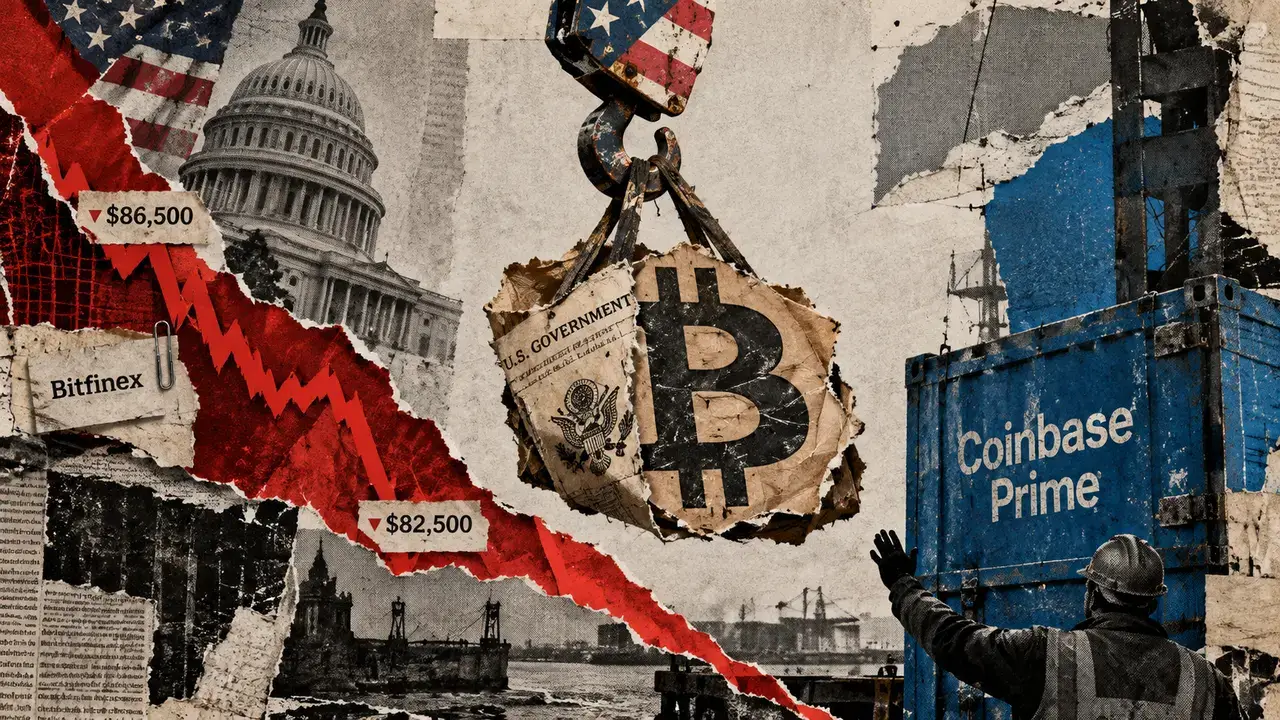
US government moves another $1 billion in Bitcoin as BTC slides $4,000
US government-linked wallets moved over $1 billion in Bitcoin on Oct. 8 as BTC prices fell and more coins reached Coinbase Prime....
Here’s How Not To Screw up Your Bitcoin Privacy
Bitcoin Magazine Here’s How Not To Screw up Your Bitcoin Privacy Just one transaction can compromise years of discreet Bitcoin act...
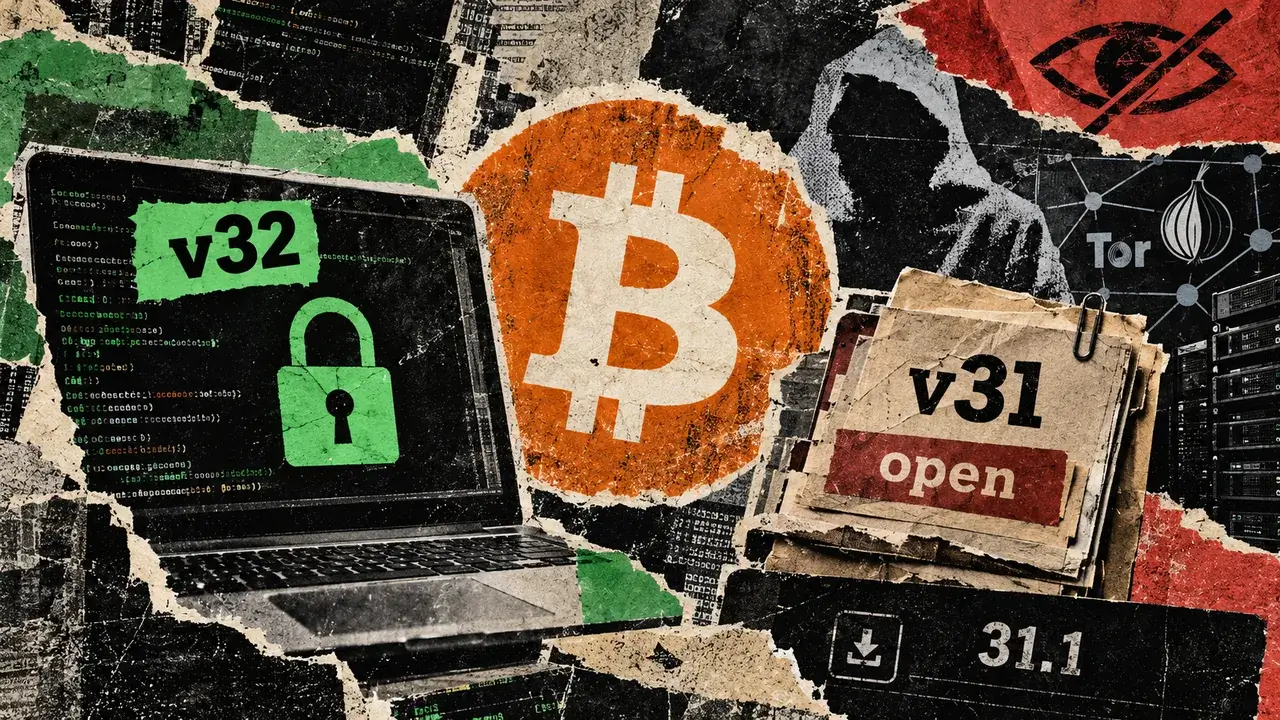
Bitcoin Core’s privacy fix reaches v32 code while the v31 patch remains open
Bitcoin Core has merged a privacy fix into its 32.x source branch addressing behavior that could correlate private-broadcast conne...

Bitcoin Price Prediction: Is the US Government Behind The Crypto Crash?
Bitcoin is trading at $82,400 after losing 4% over the past week, but that bounce does little to settle the question behind the se...
US Government Shifts $1 Billion in Bitcoin, $94 Million in Tether
The U.S. government’s cryptocurrency shuffle isn’t over. Following two days of bitcoin transfers totaling $770 million, federal wa...

Circle minted another 750 million USDC on Solana in the last 24 hours
Increased USDC liquidity on Solana may boost SOL demand, but its market impact depends on active circulation and broader crypto tr...