US sanctions firms behind Iran’s Strait of Hormuz BTC insurance scheme
The US Treasury’s Office of Foreign Assets Control (OFAC)has sanctioned two Iranian maritime firms in an effort to stop Iran from monetizing the Strait of Hormuz with its BTC insurance scheme. OFAC claims the Persian Gul...
Archive context
Older archive item. Useful for background and entity history, but not a fresh market-moving signal.
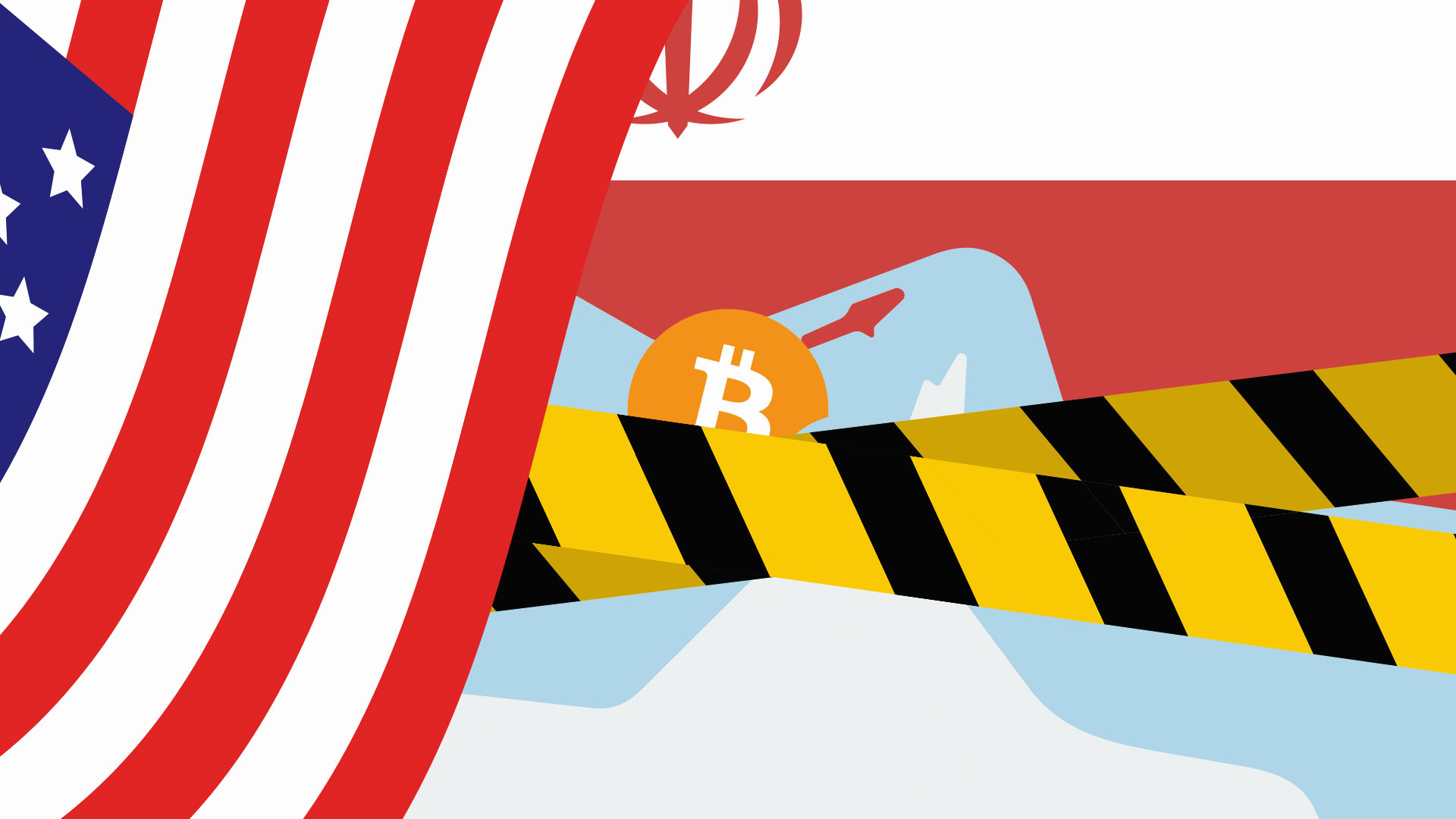
The US Treasury’s Office of Foreign Assets Control (OFAC)has sanctioned two Iranian maritime firms in an effort to stop Iran from monetizing the Strait of Hormuz with its BTC insurance scheme.
OFAC claims the Persian Gulf Marine Insurance Company and HormuzSafe Marine Services Authority are “integral” to the Islamic Revolutionary Guard Corps (IRGC) and its “extortion scheme.”
The scheme, called “Hormuz Safe,” has been in the works for some months now. Shipowners could pay for Iran’s insurance with BTC and other cryptocurrencies and guarantee safe passage through the strait.
It would reportedly generate over $10 billion of revenue for the country and help it maintain control over the stretch of water once the war is concluded.
Iranian hackers suspected of attacking 30 Minnesota water companiesRead more: Crypto scams are now a threat in the Strait of Hormuz, report
In a statement, Treasury Secretary Scott Bessent said, “With its economy in freefall and inflation in the triple digits, the regime is desperate for cash.”
He added, “The United States will not allow Iran to hold global commerce hostage or use international shipping to finance the IRGC’s terrorism, aggression, and repression.”
The US noted that “disgraced regime financier” Babak Morteza Zanjani had already promoted the scheme to his followers on social media.
Zanjani reportedly used Binance between 2024 and 2025 to move $850 million, despite his account being flagged multiple times.
Yesterday’s sanctions also targeted an Iranian shadow fleet of tankers that the US says is supplying the country with millions of barrels of crude oil and petroleum products.
The war began in February 2026, and in June, a US memorandum of understanding was signed that aimed to peacefully reopen the Strait of Hormuz and end the war.
This didn’t last long, and millitary strikes resumed on July 13. Another round of peace talks took place in late July during a three-day ceasefire between the US and Iran, however, the conflict has since flared up again.
Got a tip? Send us an email securely via Protos Leaks. For more informed news and investigations, follow us on X, Bluesky, and Google News, or subscribe to our YouTube channel.
The post US sanctions firms behind Iran’s Strait of Hormuz BTC insurance scheme appeared first on Protos.
Why this matters
Bitcoin is showing up inside the Institutional Adoption theme, so this story is worth tracking for follow-through rather than treating it as a one-off headline.
Original source
Read on ProtosRelated market context

Senate Democrats put Tether’s USDT under the microscope over Iran sanctions evasion
Increased scrutiny on Tether's USDT could lead to stricter regulations on cryptocurrency to prevent sanctions evasion and illicit...

Cardano Foundation launches CIP-0113 token standard for compliance controls
CIP-0113 enhances Cardano's regulatory compliance, potentially increasing institutional adoption but raising trust concerns for to...

Institutional capital is flowing into crypto, and Hyperliquid is capturing allocators’ attention
Institutional interest in crypto signals growing market legitimacy, potentially driving increased adoption and innovation in decen...

Firelight launches DeFi insurance with $115M staked XRP on Flare network
The launch of DeFi insurance with staked XRP could enhance XRP's utility and adoption, potentially influencing its long-term marke...

Hyperliquid confirms Singapore base, but MAS says it is not the regulator
Hyperliquid's unregulated status in Singapore highlights the challenges and risks in the evolving decentralized finance landscape....
Bitcoin price has risen 84% since January 2024 while Treasury yields climbed
Bitcoin traded below $84,000 on Oct. 7 as US Treasury yields near 5.3% offered investors a competing interest-bearing alternative....