Why China's Latest 'Bitcoin Ban' Is Bullish for DeFi
Last week, China "banned Bitcoin" yet again, or that's how a large chunk of mainstream news outlets reported it. More accurately, as Decrypt wrote, the Chinese government reiterated that it deems crypto transactions as i...
Archive context
Older archive item. Useful for background and entity history, but not a fresh market-moving signal.
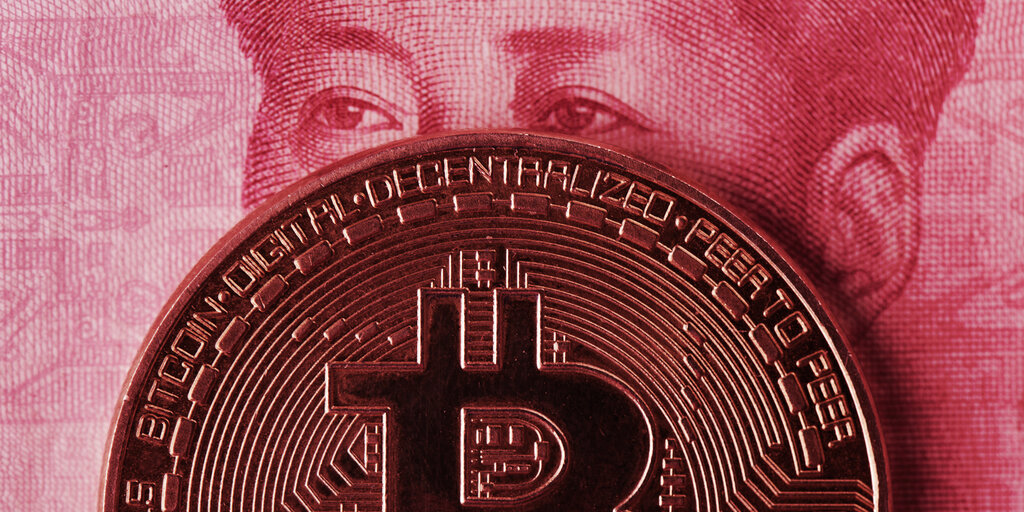
Last week, China "banned Bitcoin" yet again, or that's how a large chunk of mainstream news outlets reported it. More accurately, as Decrypt wrote, the Chinese government reiterated that it deems crypto transactions as illegal. (Bloomberg framed it as China "widening" its existing ban on crypto transactions.)
To be fair, it's understandable the media has such a hard time correctly conveying what China has done, because it's confusing every time China re-announces its own crypto guidance, and it sends the price of Bitcoin tumbling each time, which media also rushes to cover.
The factsThere were some subtle new details in the communication out of China on September 24:
- The ban was endorsed by more than 10 government bureaus and institutions, compared to previous iterations where the People’s Bank of China was the main figurehead.
- The ban brings stablecoins such as Tether into the spotlight.
- The ban covers not only crypto trading, but also adjacent industries that promote crypto (news outlets, over-the-counter trading, and technology services, and—needless to say—token launches).
- The government will have no obligation to protect citizens who willingly buy into crypto schema ( no more protests in front of the city halls!)
What did this latest ban mean for various crypto groups and industries in China?
- Miners: No new implication or impact, since miners already left China after the May ban.
- Mining pools: SparkPool, the largest Ethereum mining pool, said it will stop providing services to miners in mainland China; BeePool, another major mining pool, said it will shut down in China on Oct. 15.
- Retail investors/traders in China: Price index sites CoinGecko, CoinMarketCap, and TradingView all got blocked by China's internet firewall.
- Centralized exchanges: Both Huobi and Binance halted new registrations from China. Huobi also deleted China from its list of countries / regions on Apple Store.
- DeFi projects: Loopring, a zk-rollup protocol, and Debank, a DeFi wallet, have stopped Chinese IP addresses from accessing them.
- Crypto WeChat groups in China: Many of them are now quickly moving to Telegram or Discord.
- The latest ban is not rhetorically different from the previous bans, but it could be enforced more rigorously, given the number of government departments that are involved.
- The Chinese crypto community, including DeFi protocols, is taking a "better safe than sorry" approach by blocking Chinese users. The risk of being investigated is just too high, both in terms of physical and business safety.
- There’s very little impact to the wider crypto community, because the May ban already shocked the market. (Again, mainstream media went nuts covering this, but people in crypto already know China's crypto stance all too well, and reacted with a shrug.) In Chinese crypto circles, there is also a sense that centralized exchanges—the companies that have to worry most about what governments indicate—are becoming increasingly irrelevant.
- What could still be concerning is a potential crackdown on OTC trading. This would cut off Chinese retail investors (and maybe even high-net-worth investors) further from accessing the global crypto market—that would impact crypto prices from a demand shortage perspective.
Crypto builders still in China need to remain 100% anonymous now, which is difficult and not always possible. They must look abroad, and adjust the way their organization is structured, marketing messages delivered, and more importantly, how their project's expectations are met.
“We are gradually shutting down Chinese business, which is honestly fine," one DeFi founder told me, asking to remain anonymous. "Most of our users are international anyways."
The golden days of building crypto empires by feeding off China’s large consumer base are over. But the latest ban is a catalyst to crypto’s decentralization. It's bullish for DeFi, and for decentralized mindsets.
Why this matters
This bitcoin story adds another data point to the current market tape and is useful when read alongside nearby source coverage.
Original source
Read on DecryptRelated market context

Why XRP’s 63 billion circulating tokens don’t tell buyers what’s for sale
For XRP buyers, available supply depends on the price they are willing to pay. The token's roughly 63.09 billion circulating suppl...
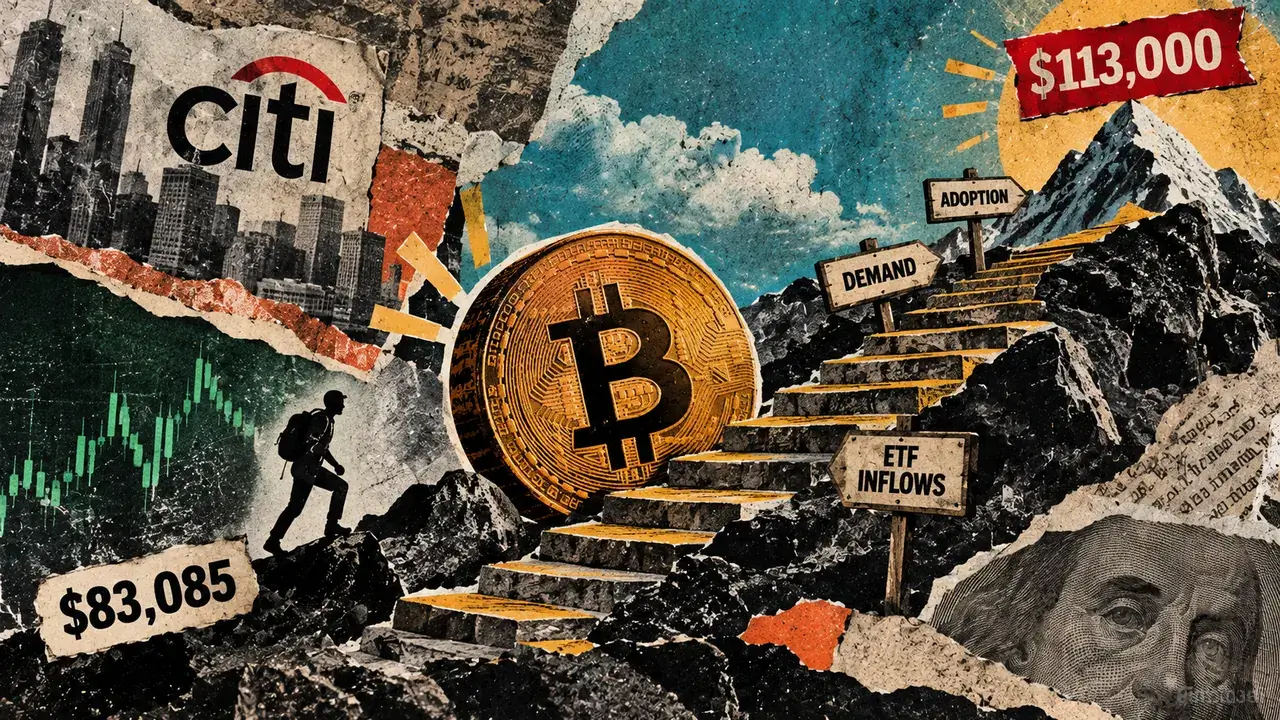
Citi predicts Bitcoin going back to $113,000. Here’s what the buying data shows
Citi's $113,000 Bitcoin target would require a roughly 36% rise from the Oct. 7 reference price, keeping it below its previous rec...

Curve Finance: Ethereum’s Glamsterdam upgrade may boost DeFi execution
The Glamsterdam upgrade could enhance DeFi efficiency, potentially boosting Ethereum's market appeal and influencing future price...
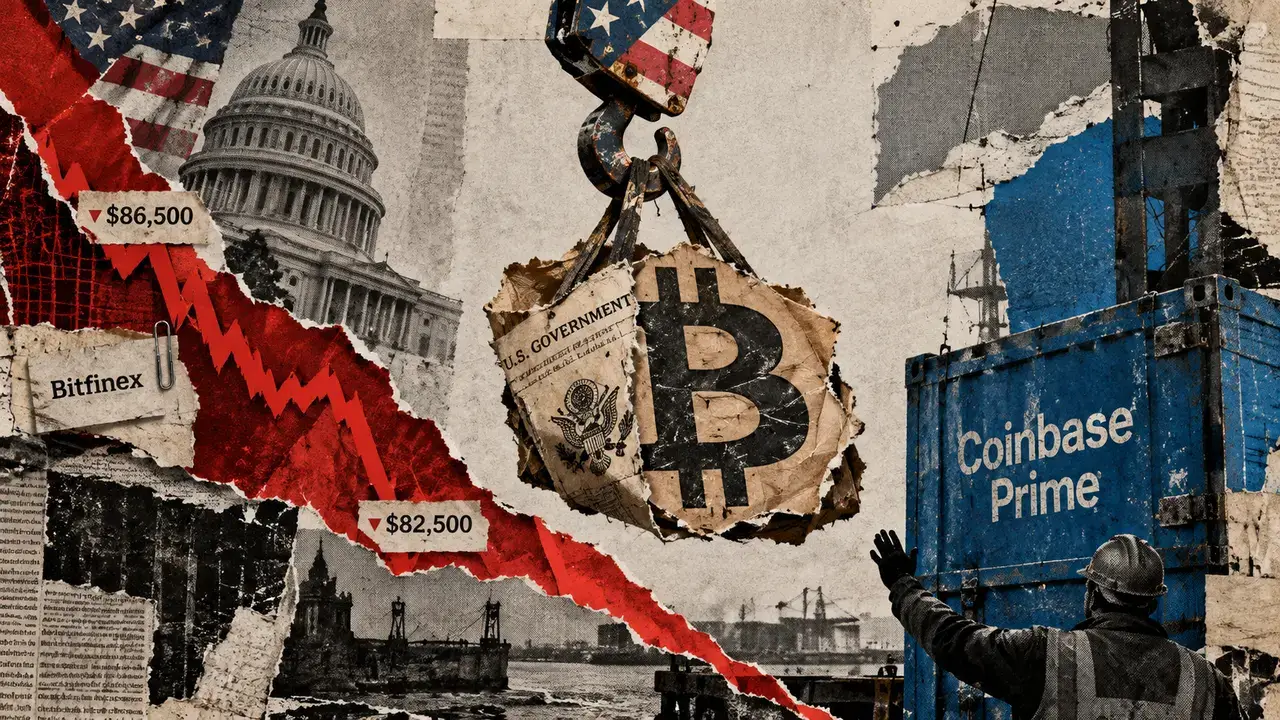
US government moves another $1 billion in Bitcoin as BTC slides $4,000
US government-linked wallets moved over $1 billion in Bitcoin on Oct. 8 as BTC prices fell and more coins reached Coinbase Prime....

Will AI Break Crypto Encryption? Ethereum’s Vitalik Buterin Weighs In on 'Bunker Mode' Shift
Ethereum co-founder Vitalik Buterin thinks the crypto industry needs to make sure encryption is both quantum and AI-resistant.
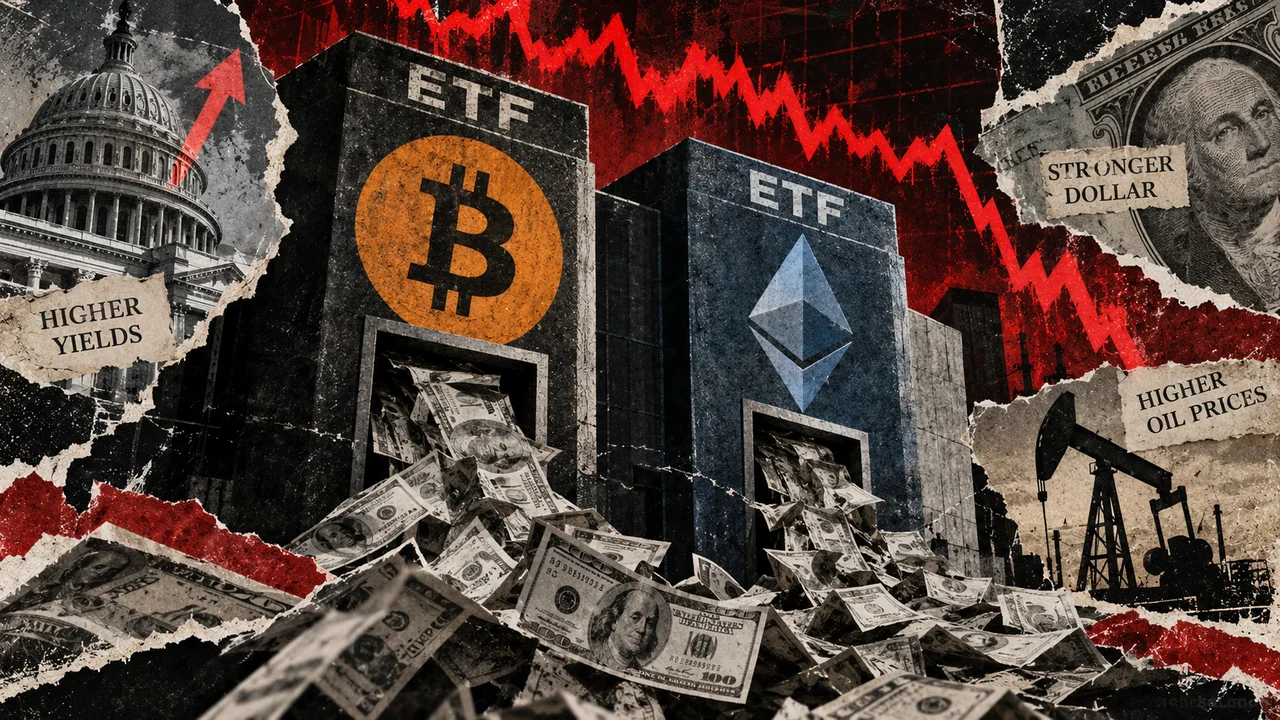
Bitcoin ETFs suffer biggest exodus since June as Ethereum withdrawals hit nine-month high
US spot Bitcoin and Ethereum exchange-traded funds saw their steepest withdrawals in months as the cryptocurrency market continued...