Blockchain audits: The steps to ensure a network is secure
In order for blockchain firms to truly validate their internal security protocols, they need to be audited thoroughly. Here’s a brief rundown of how the process goes.
Archive context
Older archive item. Useful for background and entity history, but not a fresh market-moving signal.

In order for blockchain firms to truly validate their internal security protocols, they need to be audited thoroughly. Here’s a brief rundown of how the process goes.
Why this matters
This blockchain story adds another data point to the current market tape and is useful when read alongside nearby source coverage.
Original source
Read on CointelegraphRelated market context

Solana Foundation says the network is secure against quantum threats
Solana's proactive quantum threat measures could set a precedent for blockchain security, influencing industry standards and user...

ESMA orders MiCA firms to halt services for non-compliant stablecoins
The EU's deadline for crypto firms to drop non-compliant stablecoins like USDT may reshape market dynamics and regulatory strategi...

Sui’s Hashi Bitcoin Finance Network Launches With More Than $500 Million Committed
TL;DR: Hashi, Sui’s native Bitcoin finance infrastructure, will begin a phased mainnet rollout later this month with more than $50...
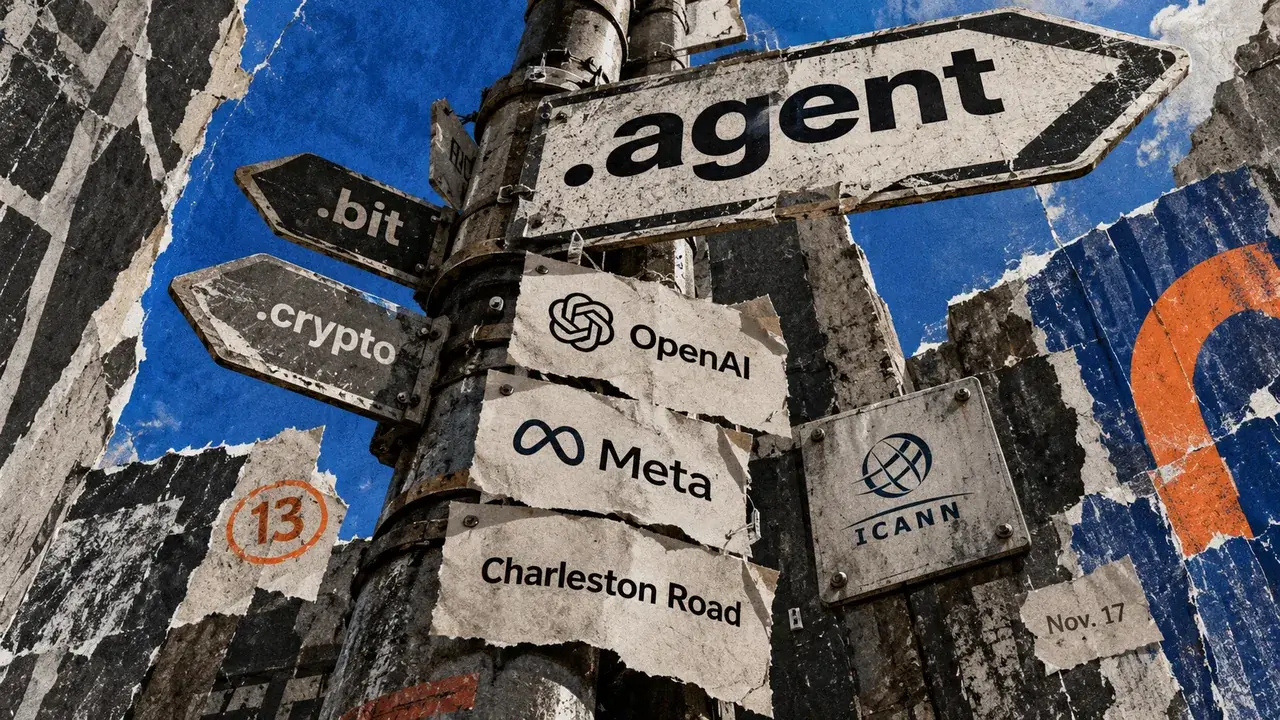
OpenAI, Google and Meta battle for AI internet domains as crypto firms target .bitcoin and .wallet
OpenAI, Google, and Meta are competing for AI-related internet domains as cryptocurrency firms pursue their own digital naming rig...

Ripple Custody Adds Canton Network Support, Bringing CC and CIP-56 Into One Vault
Key Takeaways: Ripple Custody 1.43 adds support for Canton Network, CC and CIP-56 tokens. Institutions can be given the same custo...

Sui’s Hashi Launches With $500M to Turn Bitcoin Into Productive DeFi Collateral Markets
Key Takeaways: With more than $500 million in locked-in tokens, Hashi will launch its phased mainnet launch. The protocol enables...