Brazilian Voting Authority Might Include Blockchain Tech in Future Elections
The Brazilian voting authority (TSE), has publicly declared it is studying blockchain as a technology that might help the organization in its task of organizing ballots. Celio Castro Wermerlinger, coordinator of moderniz...
Archive context
Older archive item. Useful for background and entity history, but not a fresh market-moving signal.
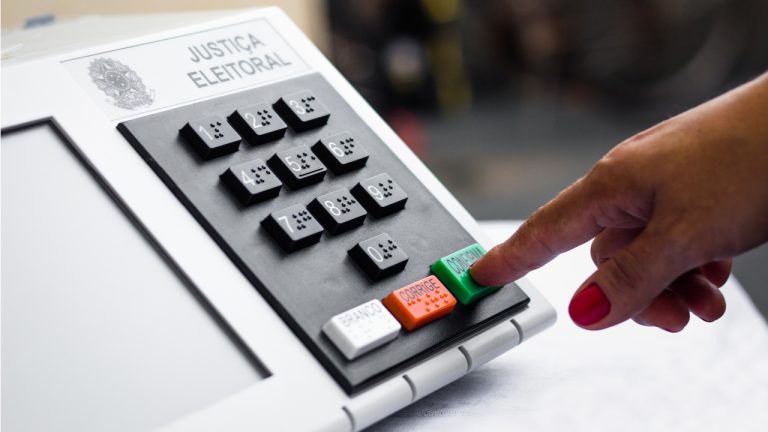
The Brazilian voting authority (TSE), has publicly declared it is studying blockchain as a technology that might help the organization in its task of organizing ballots. Celio Castro Wermerlinger, coordinator of modernization of the institution, stated that this decentralized ledger tech was included in a research program called “Elections of the Future.”
Brazilian TSE Is Researching Blockchain TechBlockchain tech is being included in several solutions designed for various applications, including ballot and voting technologies. The Brazilian voting authority announced last month that they were researching blockchain tech and the different ways it might be included in ballots.
Celio Castro Wermerlinger, who is the coordinator of modernization at the Brazilian voting authority, stated that end-to-end voting protocol, post-quantum cryptography, shared keys, and blockchain were part of the technologies being studied. This investigation is part of a program called “Elections of the Future,” that seeks more efficient and more economically viable solutions to be implemented in the electronic voting system.
However, Wermerlinger did not offer a timeline for the application of these solutions and argued that the Brazilian voting system, which is now 100% national, was safe due to the electronic solutions that are implemented in every ballot.
Blockchain and VotingWhile voting is listed as one of the possible applications of blockchain systems due to the trust and security it might bring, it has not been widely adopted apart from several pilot tests conducted in the U.S., and events in other countries.
Voatz, a blockchain-based voting company, is one of the pioneers in this field, having helped residents of West Virginia outside of the state to vote using their mobile phones during the 2018 ballot. However, this pilot was criticized due to the security issues it might bring to the results of the election. Authorities in the state suspended its use citing security concerns in 2020.
Even after that, the platform was used to organize a mock election in Chandler, Arizona with the intention of testing the platform and the reaction of the citizens while using this kind of app on a ballot. The pilot was recently deemed positive by the city clerk.
Voatz has also been involved in elections in other countries, including Venezuela. The application was used to organize an unofficial referendum against Nicolas Maduro, president of the country, with millions using it in 2020.
What do you think about the Brazilian voting authority researching blockchain tech? Tell us in the comments section below.
Why this matters
This blockchain story adds another data point to the current market tape and is useful when read alongside nearby source coverage.
Original source
Read on Bitcoin NewsRelated market context

Money20/20 USA 2026: How Bitcoin, Stablecoins and AI Are Reshaping the Future of Finance
Bitcoin Magazine Money20/20 USA 2026: How Bitcoin, Stablecoins and AI Are Reshaping the Future of Finance Fintech has moved beyond...

LiquidAcre Selects Uphold to Power Digital Asset Infrastructure and Future Tokenized Real Estate Offerings
LiquidAcre, a financial technology company building a platform designed to expand access to real-world assets and digital financia...

Your Bitcoin or Crypto AI Agent Might Upsell You: Here’s How to Fix It
Giving an artificial intelligence (AI) agent access to your bitcoin, stablecoin or other crypto asset wallet might cost you in an...

New tech to power bitcoin lending is set to debut with $500 million in commitments
Layer-1 blockchain Sui is launching Hashi, an institutional protocol allowing holders to use bitcoin as collateral without moving...

‘No going back’ for institutions moving toward tokenized onchain future, says Fidelity
Tokenization offers structural advantages to financial institutions and helps asset managers reach new markets, according to Fidel...

Glamsterdam Upgrade: Sepolia Blocks Leave Most of Ethereum’s New Gas Capacity Unused
Ethereum’s Glamsterdam upgrade has raised Sepolia’s block-gas limit from about 60 million to nearly 200 million, giving developers...