Food fraud costs $50B yearly — Can blockchain stop it?
Blockchain has already played a role in protecting consumers against food fraud, but there are lessons to be learned before it starts to truly pay off.
Archive context
Older archive item. Useful for background and entity history, but not a fresh market-moving signal.
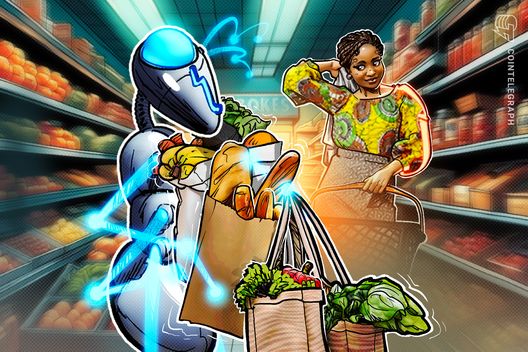
Blockchain has already played a role in protecting consumers against food fraud, but there are lessons to be learned before it starts to truly pay off.
Why this matters
This blockchain story adds another data point to the current market tape and is useful when read alongside nearby source coverage.
Original source
Read on CointelegraphRelated market context
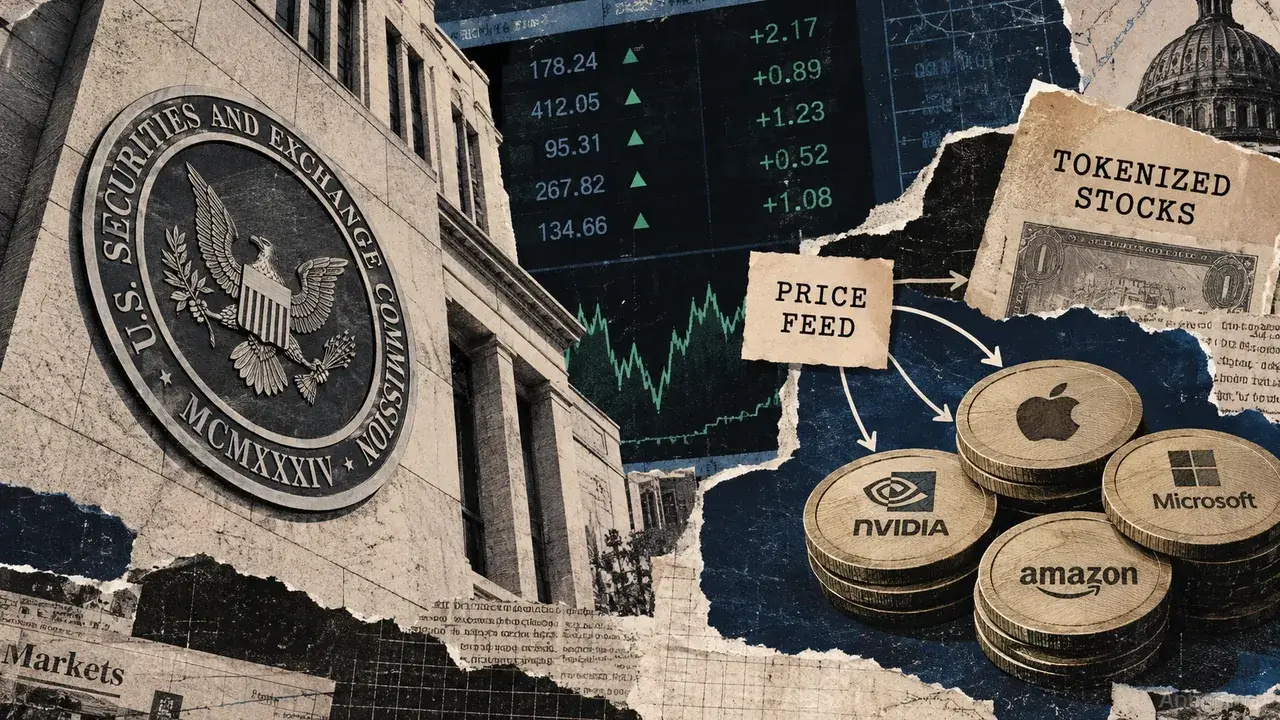
Tokenized stocks can carry the same rights without the same trading protections
Tokenized stocks eligible for the SEC’s September exemption must carry equivalent shareholder rights, yet their trading venues can...

AI may be keeping Bitcoin’s biggest macro headwind alive after the Fed stops hiking
Bitcoin faces a new macro headwind from the artificial-intelligence boom as massive infrastructure spending competes for long-term...

Vitalik Buterin says AI could accelerate Ethereum’s roadmap by decades
AI's role in Ethereum's development could redefine blockchain innovation timelines, but it also heightens the need for robust secu...

AI Could Weaken Ethereum Security as Cryptographic Risks Grow, Vitalik Buterin Warns
Buterin urged developers to prepare for potential AI vulnerabilities in both conventional and quantum-resistant cryptography, whil...

Stealing $1.5B in crypto is easy, cashing out is the trap
North Korean hackers stole around $1.5 billion from Bybit in February 2025. While the hack itself has been widely covered and anal...

Ethereum Price Prediction: Is Tom Lee’s $25K ETH Target Too Ambitious?
Tom Lee’s $10,000 Ethereum price prediction implies a 1000% move from ETH’s current price at around $2,500. BitMine’s accumulation...