Maldives Makes a Risky Bet on a $9 Billion Crypto City to Diversify Its Economy and Challenge Asia’s Titans
Key Takeaways: Maldives is developing a $9B blockchain finance center to reduce its dependence on tourism. The project will triple GDP and generate 16,000 jobs in five years. It aims to compete with Dubai, Singapore and...
Archive context
Older archive item. Useful for background and entity history, but not a fresh market-moving signal.
Key Takeaways:
- Maldives is developing a $9B blockchain finance center to reduce its dependence on tourism.
- The project will triple GDP and generate 16,000 jobs in five years.
- It aims to compete with Dubai, Singapore and Hong Kong.
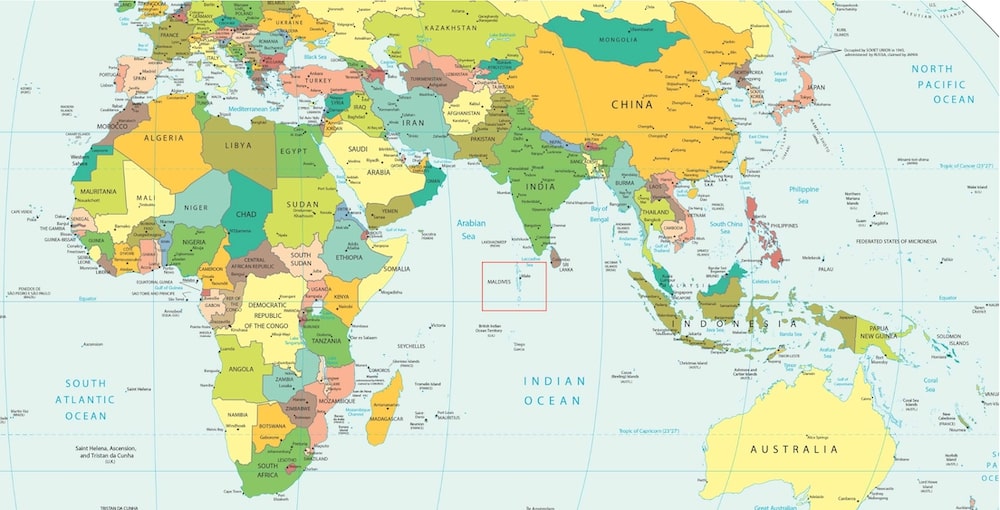
The government of the Maldives is developing a $9 billion crypto-financial hub in collaboration with MBS Global Investments, a Dubai headquartered company. The initiative, formally known as the Maldives International Financial Centre (MIFC), will be developed over five years in the capital city of Malé. At 830,000 square meters, it is projected to create 16,000 jobs, attract foreign direct investment (FDI), and potentially triple the GDP of a country valued at an estimated $7 billion.
Details of Maldives’ $9 Billion Blockchain Hub DevelopmentThe MIFC will be more than just a financial centre, it is a multi-purpose digital economy zone. The hub will have several important elements, according to project documents:
- A digital finance and banking district that would include crypto exchanges, investment funds and fintech companies.
- A blockchain data center with a decentralized storage and international standard level of computing infrastructure.
- A Web3 startup campus, co-working space, and accelerators to encourage blockchain entrepreneurs.
High-end homes and commercial venues such as flats, hotels, conference facilities and shopping centers will be developed to attract talent from around the world.
A freezone will be established like those in Dubai, with 100% foreign ownership, 20-year tax holidays, and residency visas stretching over decades for foreign professionals. Such sweeteners are designed to attract funds from Asia, the Middle East and elsewhere.
The Reasons Behind the Maldives’ Pivot Towards BlockchainThe Maldivian economy is heavily dependent on tourism (30% of GDP) and fisheries (10%), with yellowfin and skipjack tuna exports to the EU, Japan, and Thailand being the main export to the EU. But recent years have revealed our weaknesses.
Public debt has crossed the 100% of G.D.P. mark, government spending has widened fiscal deficits and the tourism industry is exposed to long-term threats to travel posed by pandemics and climate change. Blockchain and digital finance reduce reliance on tourism and fishing.
The Finance Ministry estimates that MIFC could generate $1 billion in revenue annually by the end of its fifth year of operation. The government is also expediting the formation of a regulatory sandbox wherein companies can experiment with blockchain services under relatively relaxed legal supervision.
There’s been a strong emphasis on the need to ensure a very clear legal protection for foreign investors — a kind of foreign investment guarantee along the lines of Dubai’s DIFC Courts— as part of the approach to construct international trust.
Maldives Competes with Other Crypto Hotspots – Dubai, Singapore, and Hong KongThe Maldives’ ambition positions it against Asia’s established crypto hubs. Crypto development in Dubai, in particular, has been very fast-paced. Dubai digitized real estate transactions in blockchain in 2024 with Bitcoin property purchase for instant cross-border transactions. The city is currently holding the TOKEN2049 event, with more than 30,000 people attending.
Hong Kong is a bridge between Western and Chinese investors with over 100 Web3 and fintech firms benefiting from its loose regulations. Singapore provides good infrastructure and clear legal environment, and has attracted many blockchain companies by its sandbox policy.
More News: Hong Kong to Introduce New Virtual Asset Policy Framework by End-2025
Though these cities are a step or more ahead, the Maldives is hoping that new investor incentives, tax breaks and strategic geographic position can carve out a corner of the Indian Ocean market.
Establishing the Talent and Infrastructure for Maldives’ Crypto HubLocal expertise in blockchain is one of the biggest obstacles. The Maldives Blockchain Talent Outreach (MBTI) will work with Maldives National University, the Binance Academy and ConsenSys Academy to train 5000 professionals over five years. The government will also provide long-term visas for foreign experts in blockchain to work in the country. To make cryptocurrency transactions secure in the country, RegTech products and blockchain analytics will be used to counter financial crimes.
Experts from Binance Research consider MIFC to be one of the top blockchain projects in Asia-Pacific by 2025.
The post Maldives Makes a Risky Bet on a $9 Billion Crypto City to Diversify Its Economy and Challenge Asia’s Titans appeared first on CryptoNinjas.
Why this matters
This blockchain story adds another data point to the current market tape and is useful when read alongside nearby source coverage.
Original source
Read on CryptoNinjasRelated market context
CFTC Chair Says New Crypto Rulemaking Will Prevent Another FTX-Style Collapse
Bitcoin Magazine CFTC Chair Says New Crypto Rulemaking Will Prevent Another FTX-Style Collapse Pro-crypto regulator Mike Selig has...

Tether Celebrates 12 Years, USD₮ Surpasses 700M Users
Key Takeaways: Tether marked the 12th anniversary of the world’s largest stablecoin by market cap, USD₮. The company claims that U...

S&P brings ratings-style scrutiny to $10 billion crypto vault market as $6 million Base incident exposes risks
S&P Global is bringing ratings-style risk assessments to crypto lending vaults as the fast-growing market confronts fresh security...

Glamsterdam Upgrade: Sepolia Blocks Leave Most of Ethereum’s New Gas Capacity Unused
Ethereum’s Glamsterdam upgrade has raised Sepolia’s block-gas limit from about 60 million to nearly 200 million, giving developers...
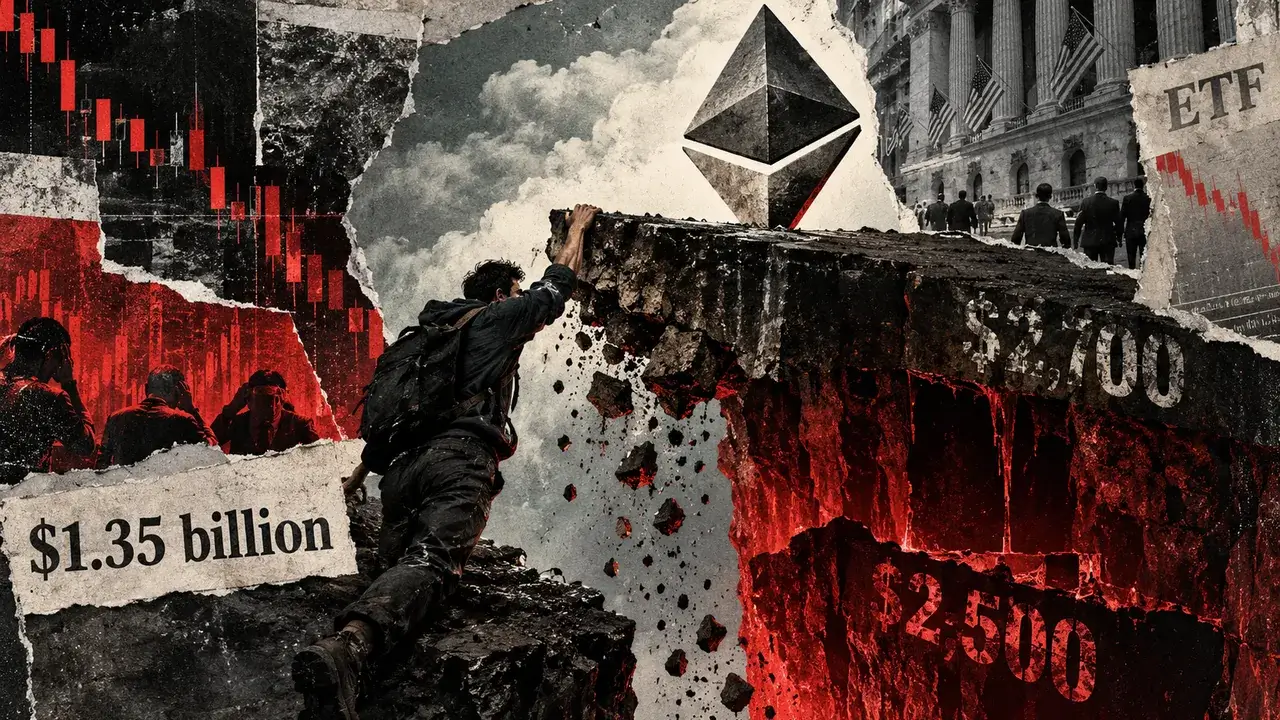
Ethereum falls 6%, leaving $1.35 billion in long bets at risk of liquidation
Ethereum’s slide toward $2,500 has put about $1.35 billion of leveraged long positions at increasing risk of liquidation. CoinMark...

Bitwise CEO sees tokenized equities as key development over next 2-3 years
Tokenized equities could revolutionize financial markets, enhancing accessibility and liquidity, while fostering innovation in onc...