Rise of Stablecoins, DeFi Make Central Bank Currencies ‘Urgent’: Bank for International Settlements
Key pillars of today’s cryptocurrency industry—like stablecoins and DeFi—pose a threat to the worlds’ central banks, according to Benoit Coeuré, head of the Bank for International Settlements’ (BIS) Innovation Hub. DeFi,...
Archive context
Older archive item. Useful for background and entity history, but not a fresh market-moving signal.

Key pillars of today’s cryptocurrency industry—like stablecoins and DeFi—pose a threat to the worlds’ central banks, according to Benoit Coeuré, head of the Bank for International Settlements’ (BIS) Innovation Hub.
DeFi, or decentralized finance, is a suite of crypto products that replicate many common services in traditional finance, like lending and borrowing, but replaces banks and brokers with lines of code.
“Central banks have a job to do—delivering price stability and financial stability—and they must retain their ability to do it. Central bank digital currencies will take years to be rolled out, while stablecoins and crypto assets are already here,” Coeuré reportedly said.
“This makes it even more urgent to start,” he added.
The age of CBDCsCoeuré is a firm believer in central banks and the role they play in society.
Consequently, he is a firm believer in central bank digital currencies (CBDCs) as opposed to stablecoins or other kinds of cryptocurrencies.
In a report published earlier this year, the BIS said stablecoins “attempt to import credibility by being backed by real currencies.” The report added that stablecoins “are only as good as the governance behind the promise of the backing.”
Bitcoin Has ‘Few Redeeming Public Interest Attributes’: BISCoeuré on the other hand is not quite as dismissive.
“Make no mistake: global stablecoins, DeFi platforms, and big tech firms will challenge banks’ models regardless,” he added.
The CBDC progress reportChina is predominantly seen as the world’s leading nation when it comes to rolling out a central bank digital currency.
China’s digital yuan was first proposed in 2017 and entered the pilot stage in April 2020. Since October of last year, the People’s Bank of China (PBOC) has airdropped millions worth of digital yuan to citizens across the country as it tests the project.
China's Digital Yuan vs BitcoinIn February 2022, China plans an additional roll-out of the digital yuan when tourists flock to the country for the Beijing 2022 Winter Olympics.
Meanwhile, the crypto industry in China has been dealt blow after blow—with a crackdown on crypto mining adding to a pre-existing ban on crypto trading that’s been in place since 2017.
Why this matters
This blockchain story adds another data point to the current market tape and is useful when read alongside nearby source coverage.
Original source
Read on DecryptRelated market context

Dutch central bank reports €3.2 billion in crypto held by households
The report highlights the growing integration of crypto in Dutch households, emphasizing regulatory oversight and potential market...

Brad Garlinghouse Announces Final OCC Approval for Ripple National Trust Bank
The decision completes a regulatory process that began with conditional approval in December 2025. The new charter is expected to...
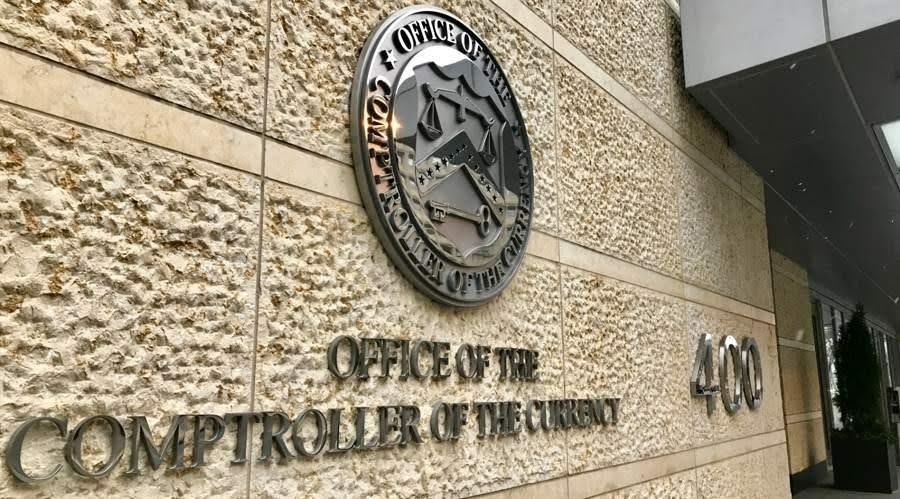
Ripple Wins Final OCC Trust Bank Approval, Putting $2.5B RLUSD Under Federal Oversight
Key Takeaways: Ripple received final OCC authorization for its national trust bank. The bank will back up both reserves (RLUSD) an...

Temporal names ex-Galaxy Digital DeFi chief Michael Marcantonio as CEO
Temporal's new leadership aims to disrupt traditional finance, potentially intensifying competition and innovation within the Sola...
Ripple Receives Final OCC Trust Bank Approval as RLUSD Expands
TL;DR: Ripple said on October 26 that the Office of the Comptroller of the Currency had granted final approval to charter Ripple N...

XRP Eyes $15 as Ripple Wins Final Bank Approval Ahead of Swell
Ripple has secured final U.S. approval for its national trust bank, giving XRP investors another reason to watch the coin as Swell...