SafeMoon’s $8B Crypto Collapse: CEO Convicted in Massive Fraud, Faces 45-Year Sentence
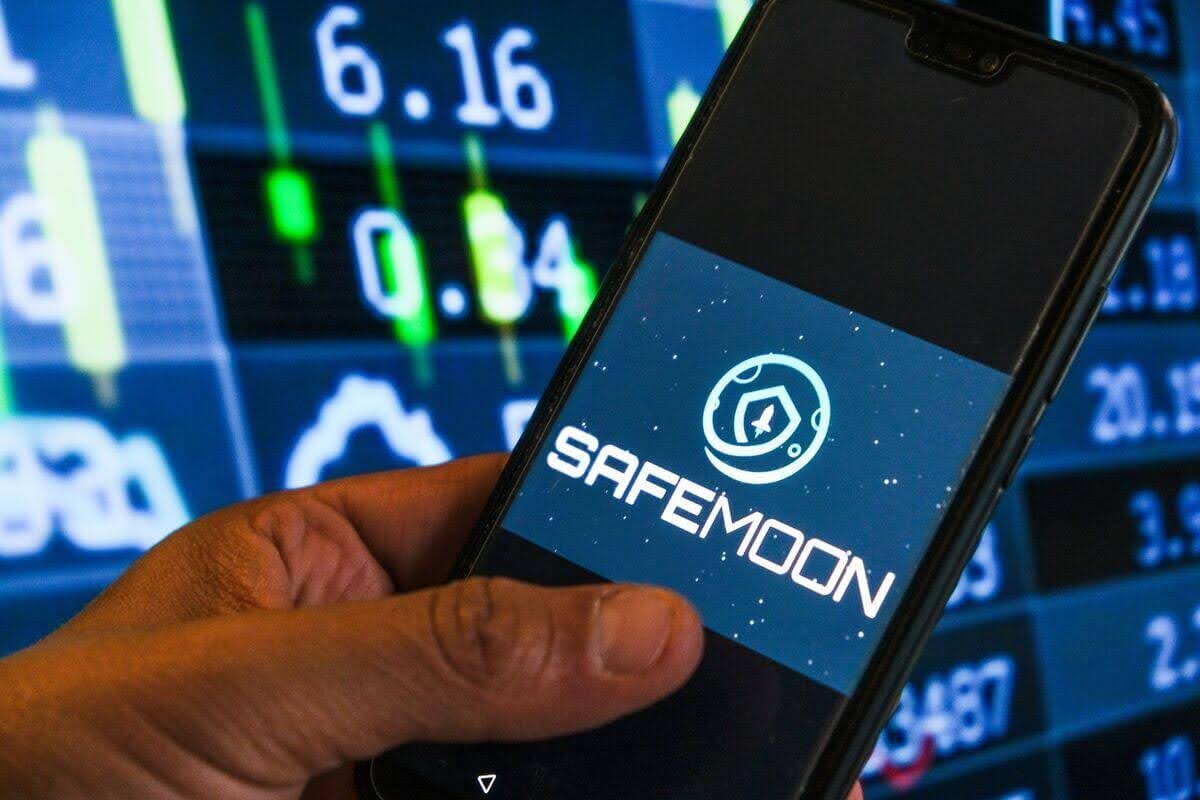
Key Takeaways: SafeMoon CEO Braden Karony convicted of wire fraud, securities fraud, and money laundering. Over $9 million misappropriated from SafeMoon’s liquidity pool, used for luxury cars and real estate. Market cap...
Archive context
Older archive item. Useful for background and entity history, but not a fresh market-moving signal.
Key Takeaways:
- SafeMoon CEO Braden Karony convicted of wire fraud, securities fraud, and money laundering.
- Over $9 million misappropriated from SafeMoon’s liquidity pool, used for luxury cars and real estate.
- Market cap once topped $8B, now a symbol of how hype-fueled DeFi projects can unravel into criminal schemes.
In a landmark case that underscores the high-stakes risks in crypto investing, Braden Karony—the CEO of SafeMoon—has been found guilty on all charges in a multi-million dollar fraud scheme. Once hailed as a DeFi success story, SafeMoon’s dramatic fall is now a cautionary tale for investors and regulators alike.
DeFi Giant Turns Ponzi-Like OperationSafeMoon launched in early 2021 amid the height of the meme coin and DeFi craze. The token quickly gained viral popularity, with celebrity endorsements and promises of passive income through its auto-staking tax model. At its peak, the project reached a staggering $8 billion market cap and attracted millions of holders globally.
But beneath the surface, federal prosecutors revealed a calculated plan of deception. Karony and his co-conspirators secretly retained full access to the “locked” liquidity pool, which was promoted to investors as secure and inaccessible to insiders. Rather than supporting token stability, they diverted millions of dollars from these pools into personal wallets.
Luxury Lifestyle Funded by Stolen CryptoAccording to the U.S. Department of Justice, Karony used his access to siphon over $9 million worth of crypto, which he then laundered through complex wallets and pseudonymous exchange accounts. The funds were used to purchase:
- A $2.2 million home in Utah
- Other residences in Utah and Kansas
- A $277,000 Audi R8, additional sports cars, and custom trucks
This was no isolated operation. Prosecutors noted that Karony’s trading activity directly contradicted SafeMoon’s public statements. While marketing claimed no insider trading, Karony and his team regularly bought and sold tokens at market highs, profiting at the expense of retail investors.
Read More: Landmark Legislation to Target Crypto Fraud in New York State
The Illusion of SafeMoon’s “Locked” Liquidity A Deep Dive into the DeceptionSafeMoon’s smart contract included a 10% tax on all transactions—5% to be redistributed to holders and 5% to liquidity pools. This model attracted retail investors seeking passive rewards, often under the assumption that developers couldn’t interfere with the locked funds.
However, Karony and his associates manipulated this trust. They manually altered token pairings, extracted funds from pools under the radar, and misrepresented SafeMoon’s decentralization. Essentially, the “safe” aspect of SafeMoon was a marketing illusion, and investor confidence was leveraged to run an internal cash machine.
The project’s social media and leadership continued to deny any insider trading, even as investigators now confirm Karony executed multiple concealed trades, timed to maximize personal profits.
Read More: Changpeng Zhao of Binance Denies Money Laundering, Fraud Allegations Amid WSJ Claims
Ripple Effects on Crypto Regulation and TrustKarony’s conviction comes at a time when the U.S. crypto industry is getting more attention from regulators. This case makes authorities even more worried about rug pulls, manipulating liquidity, and the lack of openness in a lot of DeFi ventures. It also gives the SEC and DOJ more power as they try to get stronger rules for how digital assets must be handled.
One co-conspirator, Thomas Smith, has pleaded guilty and awaits sentencing. Another, Kyle Nagy—who also played a key role in founding SafeMoon—remains a fugitive.
Karony, now convicted on all three federal charges, faces up to 45 years in prison, marking one of the most severe penalties in crypto-related fraud to date.
A Turning Point for Crypto OversightThe SafeMoon saga serves as a sobering lesson: flashy tokenomics and viral marketing can’t replace legitimate business practices and investor protections. As enforcement catches up with innovation, the DeFi space may finally be approaching its regulatory reckoning.
The post SafeMoon’s $8B Crypto Collapse: CEO Convicted in Massive Fraud, Faces 45-Year Sentence appeared first on CryptoNinjas.
Why this matters
This blockchain story adds another data point to the current market tape and is useful when read alongside nearby source coverage.
Original source
Read on CryptoNinjasRelated market context

Avalanche Tokenized Treasury Market Reaches $545 Million After Rapid Growth
TL;DR: Tokenized US Treasury assets on Avalanche have reached roughly $545 million, according to data highlighted this week. The s...

Aave v4 on Base draws $4.7 million in Coinbase tokenized stock deposits
Aave's integration of tokenized stocks into DeFi could reshape global finance, highlighting regulatory challenges and market volat...

OKX Eyes 63 U.S. Stocks in Major Tokenized Trading Expansion
Key Takeaways: OKXICE informed the SEC about its plan to establish an online platform called “Tokenized Securities Venue” that wou...

Glamsterdam Upgrade: Sepolia Blocks Leave Most of Ethereum’s New Gas Capacity Unused
Ethereum’s Glamsterdam upgrade has raised Sepolia’s block-gas limit from about 60 million to nearly 200 million, giving developers...
Hyperliquid Labs-Labeled Wallet Distributes $330 Million in HYPE
Five intermediary addresses forwarded the tokens to one wallet, which returned 1.25 million HYPE to staking.... Read the full stor...

XRP Whales Dominate Exchange Outflows as Bitcoin Shorts Rise on Hyperliquid
The contrasting flows highlight a market where some large investors are moving XRP away from exchanges even as leveraged traders p...