South Korea Exchange Ban Hits KuCoin, MEXC and 25 Other Platforms
South Korea Financial Intelligence Unit (FIU) disclosed that authorities had ordered a domestic access ban on 27 websites operated by unregistered overseas crypto exchange platforms, including KuCoin, MEXC, Phemex, BingX...
Watchlist
Published in the last two hours. Multiple named entities are involved.

South Korea Financial Intelligence Unit (FIU) disclosed that authorities had ordered a domestic access ban on 27 websites operated by unregistered overseas crypto exchange platforms, including KuCoin, MEXC, Phemex, BingX and BitMart. The move extends enforcement from app stores to websites, with the FIU warning that users could have difficulty accessing funds or making withdrawals.
The exchange ban targets unregistered crypto exchanges that regulators consider to be operating locally in South Korea. The FIU assesses that connection using factors including Korean-language websites, marketing aimed at Korean users and support for payments in won. The communications review body approved the requested measures following reviews held on October 6 and 7.
South Korea Orders Website Blocks on 27 Unregistered Overseas Crypto Exchanges, Including KuCoin, MEXC and BingX
South Korea's Financial Intelligence Unit (FIU) announced that the country's communications review authority has ordered domestic access restrictions on 27… pic.twitter.com/TWnze71oUY
This is a new enforcement channel, not the start of the crackdown. The FIU had already asked Google and Apple to restrict new installations and updates of unregistered exchange apps; Google Play restricted 17 platforms, including KuCoin and MEXC, in March 2025.
The FIU says regulators will seek blocks after detecting unregistered activity, subject to the communications review body’s approval, without waiting for court rulings or confirmed user losses.
It also plans to pursue replacement websites if blocked platforms relaunch under new addresses. For exchanges, the test is whether their local-facing operations can continue when access routes are repeatedly closed.
The potential penalties add legal exposure to the operational restrictions: operating without registration can result in up to five years’ imprisonment or a fine of up to 50 million won.
This latest ban is part of a shift in South Korea crypto regulation, where website access, exchange, and app distribution are both enforcement levers. The country’s digital-asset policy has also developed on other fronts, including a review of Ripple’s Korea partnership with Meritz.
Earn $50 and Enter $300K Prize Draw on EdgeXSouth Korea Exchange Ban Aftermath and Withdrawal RiskThe FIU urged customers holding assets on affected platforms to withdraw them immediately, while acknowledging that access blocks could make withdrawals harder. It plans to guide users through the Digital Asset eXchange Alliance (DAXA), the industry group involved in the response.
The warning makes the enforcement practical as well as legal: a blocked website can complicate access even when the underlying assets have not been seized.
Cost is another part of the regulator’s case. A June probe by DAXA and registered operators found that flagged exchanges charged average fees of 1.5% to 10%, compared with an average of 0.16% at South Korea’s five largest won-based exchanges. That puts the flagged rates as high as 62 times the domestic average.
Trade on Bybit and Get a Chance to Win Our $1,000 USDT AirdropTiger Research estimated that Korean investors paid foreign exchanges $3.5 billion in fees during 2025. Tiger Research and Chainalysis also estimated that approximately 700 trillion won moved from Korea to overseas exchanges between 2021 and 2026; the total includes a projection for 2026 and covers only traceable routes.
Those figures show the scale of offshore activity, but do not establish where affected users will move their assets next. Domestic financial-sector developments, including South Korea’s crypto-collateral debate, illustrate that enforcement is unfolding alongside other changes in the local market.
The FIU’s stated next steps are to seek further restrictions on replacement sites and to support affected users through DAXA if access or withdrawals become difficult. Whether traders return to registered domestic exchanges or move to on-chain venues remains an open question; the immediate test is whether the blocks disrupt withdrawals before users can transfer their holdings.
Discover: The Best Token Presales
The post South Korea Exchange Ban Hits KuCoin, MEXC and 25 Other Platforms appeared first on Cryptonews.
Why this matters
Tether is showing up inside the Regulation theme, so this story is worth tracking for follow-through rather than treating it as a one-off headline.
Original source
Read on CryptonewsRelated market context
South Korea blocks access to 27 unregistered overseas crypto exchanges
South Korea's crackdown on unregistered crypto exchanges highlights the growing global trend towards stricter regulatory oversight...
BingX Opens 7,000 US Stocks to Crypto Users a Day After Bybit
BingX opened trading in more than 7,000 US stocks and exchange-traded funds today (Tuesday), routing orders through US brokerage i...

EU targets MiCA loophole that lets crypto exchanges serve 27 countries with one license
EU finance ministers agreed to shift oversight of major crypto companies to a central watchdog, reshaping supervision under MiCA....

Crypto Exchange Bybit Moves From Stock CFDs to Real US Shares
Bybit opened trading in more than 1,000 US-listed stocks and exchange-traded funds today (Monday), with purchases paid in the USDC...
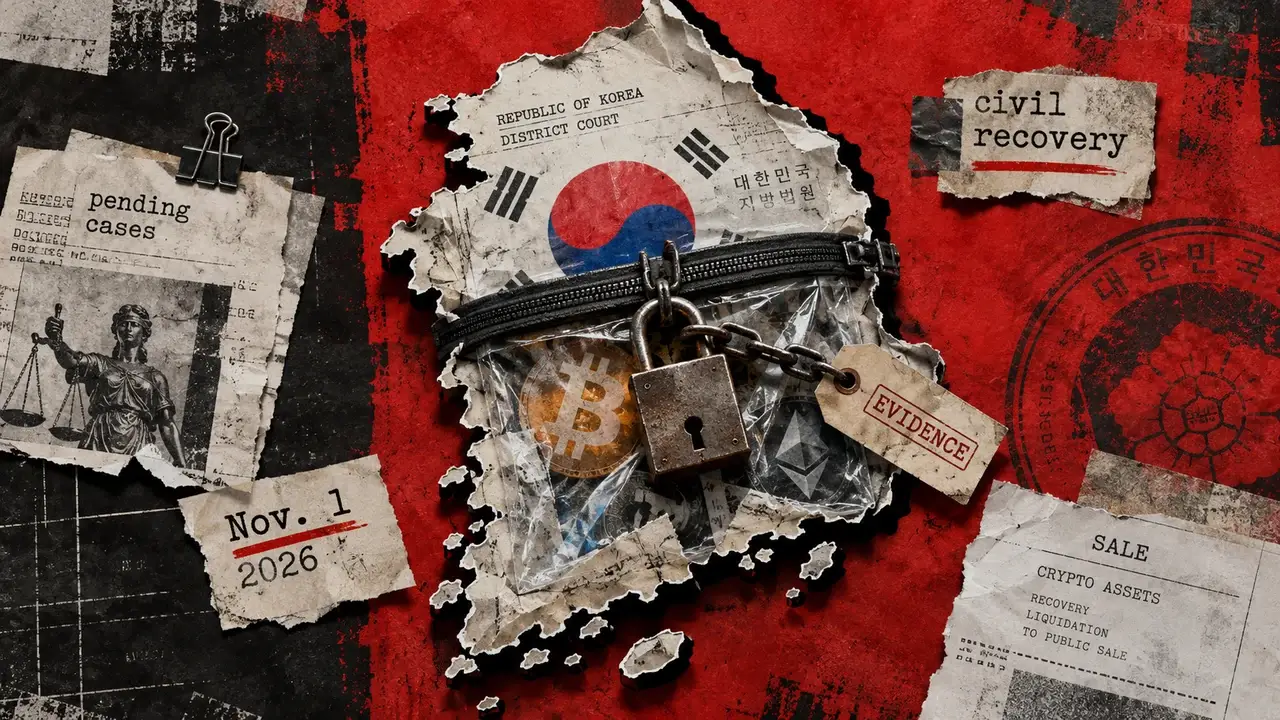
South Korea clears way for courts to seize and sell Bitcoin for unpaid debts under new November rules
South Korea has established procedures for courts to seize and sell debtors' cryptocurrency to satisfy civil claims. On Oct. 12, t...
South Korean Lender Jeonbuk Bank to Offer Bitcoin-Backed Loans
Bitcoin Magazine South Korean Lender Jeonbuk Bank to Offer Bitcoin-Backed Loans Jeonbuk Bank has become the first bank in South Ko...