Standard Chartered Aave Call Puts Institutional DeFi Back On The Table
TL;DR Standard Chartered coverage has reportedly put Aave back in the institutional DeFi conversation. The key theme is whether real-world assets and stablecoin liquidity can drive a new phase of lending protocol growth....
Archive context
Older archive item. Useful for background and entity history, but not a fresh market-moving signal.

- Standard Chartered coverage has reportedly put Aave back in the institutional DeFi conversation.
- The key theme is whether real-world assets and stablecoin liquidity can drive a new phase of lending protocol growth.
- The article frames the call cautiously because the full analyst note is not fully public.
Aave is receiving fresh attention after Standard Chartered reportedly initiated coverage around the DeFi lending protocol, adding another traditional finance voice to a sector that spent the past cycle trying to prove it can move beyond speculative yield. The call matters because bank research coverage does not automatically change on-chain fundamentals, but it can influence how wealth desks, institutional investors and corporate strategy teams talk about DeFi.
The broad argument is straightforward: if stablecoins and tokenized real-world assets continue to grow, lending markets need deep, liquid venues where collateral can be priced, borrowed against and managed. Aave already sits near the center of that market structure. It has survived multiple market cycles, built a large liquidity base and remained one of the better-known names in decentralized lending.
Why RWAs Change The ConversationThe institutional DeFi thesis is no longer only about traders borrowing against volatile crypto collateral. Increasingly, the market is watching whether tokenized treasuries, fund shares, private credit and stablecoin settlement can feed into lending markets. That is where the Aave discussion becomes more interesting. If real-world assets become larger on-chain collateral pools, lending protocols could start to look less like niche crypto apps and more like programmable credit infrastructure.
That does not mean the transition is simple. RWAs bring legal, custody, pricing and liquidation questions that are very different from ETH or wrapped Bitcoin collateral. Lending protocols must also satisfy institutional risk teams that care about governance, oracle design, smart-contract risk, regulatory treatment and counterparty exposure.
Aave’s Advantage And Its RiskAave’s advantage is familiarity. Many crypto-native institutions already understand how the protocol works, and its governance process gives the market a visible way to track changes. But that same openness also introduces complexity. If institutional capital begins using DeFi rails in size, governance votes and risk parameter changes become more important, not less.
The strongest version of the Aave bull case is that the protocol becomes a neutral liquidity layer for a wider on-chain finance stack. The weaker version is that institutional adoption remains more narrative than volume, with most regulated capital preferring permissioned venues and private settlement systems.
A Measured Signal For DeFiThe main takeaway is not that a single bank research note guarantees a DeFi boom. It is that major financial institutions are still studying lending protocols as potential infrastructure rather than treating them only as speculative crypto products. That alone is a useful signal after a difficult period for DeFi valuations.
For traders, the Aave story now sits at the intersection of tokenized assets, stablecoin liquidity and the broader market’s appetite for risk. If those flows recover, lending protocols could become one of the first places where stronger activity shows up on-chain.
This coverage is based on information from Standard Chartered.
This article was written by the News Desk and edited by Samuel Rae.
Why this matters
Aave is showing up inside the Stablecoins theme, so this story is worth tracking for follow-through rather than treating it as a one-off headline.
Original source
Read on NewsBTCRelated market context

OKX Secures Circle, Ripple and Standard Chartered Backing at $25B Valuation
Key Takeaways: OKX raised funding with Circle, Ripple, QRT, and SC Ventures with a valuation of $25B. The deal is a continuation o...
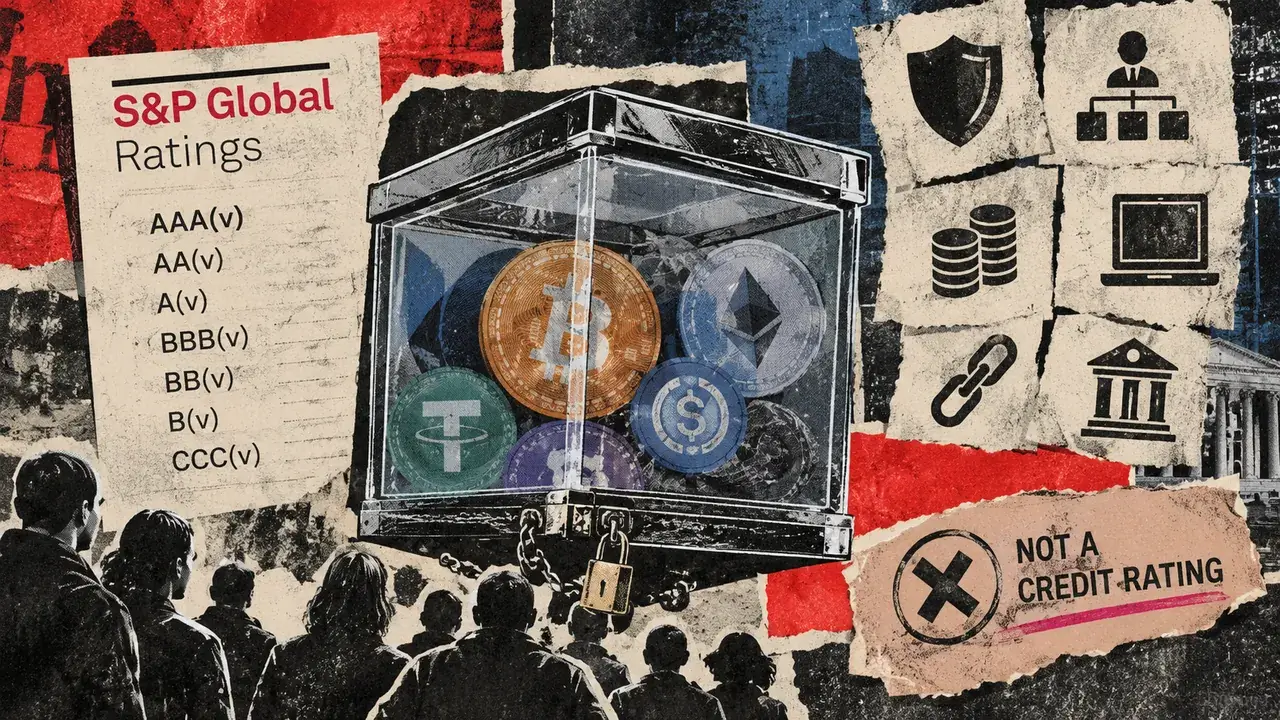
S&P brings ratings-style scrutiny to $10 billion crypto vault market as $6 million Base incident exposes risks
S&P Global is bringing ratings-style risk assessments to crypto lending vaults as the fast-growing market confronts fresh security...
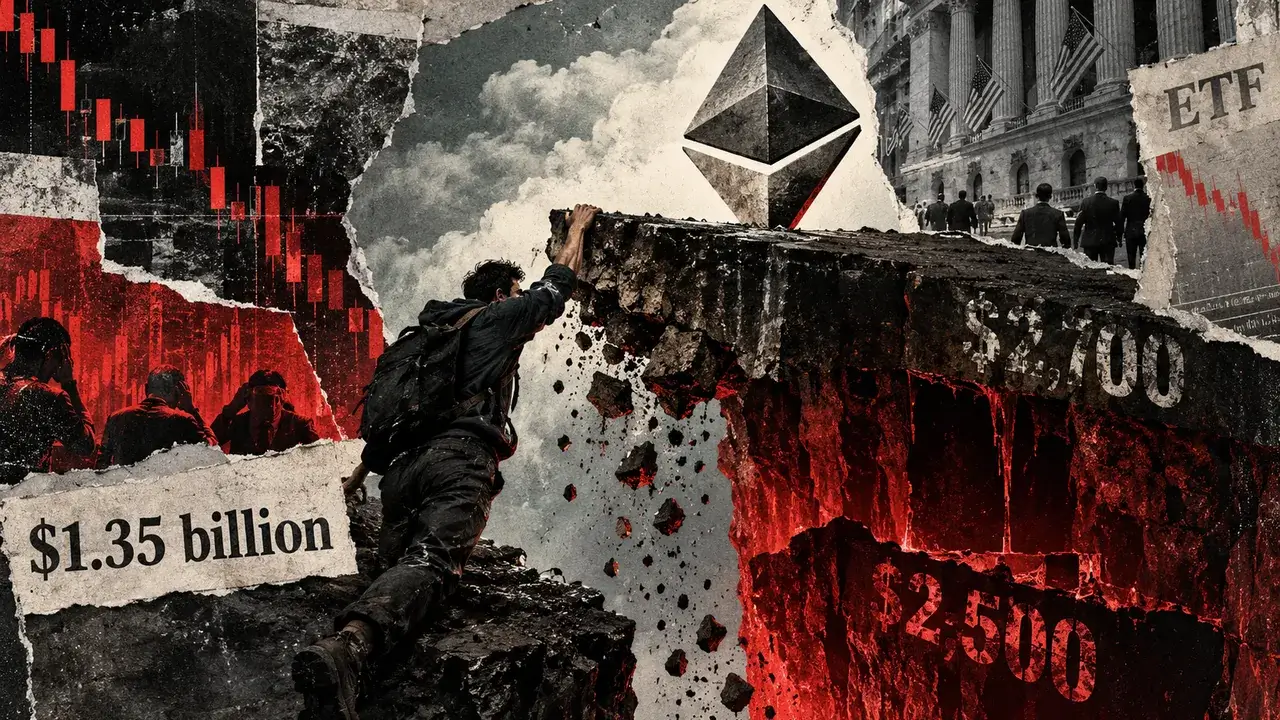
Ethereum falls 6%, leaving $1.35 billion in long bets at risk of liquidation
Ethereum’s slide toward $2,500 has put about $1.35 billion of leveraged long positions at increasing risk of liquidation. CoinMark...

Cardano Brings Compliance Rules On-Chain With CIP-0113 Launch
TL;DR: Cardano’s CIP-0113 programmable token standard is now live on mainnet. It gives issuers the ability to build controls such...

Tether signs MoU with Kazakhstan’s central bank to explore tenge stablecoins and tokenized assets
Kazakhstan's collaboration with Tether could enhance its fintech landscape, potentially boosting local currency integration in dig...

Ethereum researcher Justin Drake calls for ‘bunker mode’ planning over private key recovery risk
Justin Drake recommended moving crypto assets to fresh addresses that keep their public keys hidden behind a hash.