Tether Backs Peso to Expand USDT Payments Across 4 Major Latin American Markets
Key Takeaways: Tether led the pre-seed investment of Bolivian fintech Peso for the growing USDT payment infrastructure. Today Peso is used to facilitate USDT on QR payments, banking rails, virtual accounts and food deliv...
Watchlist
Fresh in the current trading session. The story has cross-source confirmation.

Key Takeaways:
- Tether led the pre-seed investment of Bolivian fintech Peso for the growing USDT payment infrastructure.
- Today Peso is used to facilitate USDT on QR payments, banking rails, virtual accounts and food delivery.
- The funds will drive growth in Bolivia, Brazil, Colombia and Argentina.
User Score
8.7
Follow us on Google NewsTether has driven USDT further into daily payments in Latin America. The stablecoin’s issuer has led a pre-seed funding round for Bolivian fintech Peso to facilitate quicker connections between USDT, merchants, banking networks, and consumer apps.
Tether Invests in Peso to Expand USD₮ Payment Infrastructure Across Latin America
Read more:
https://t.co/RE6LFFzlNt
— Tether (@tether) October 21, 2026
Tether Targets Everyday USDT PaymentsThe Peso application combines saving, spending, investing, cross-border transfers and facilitates user access to a USDT account across the world. The company is also developing the USDT infrastructure to move beyond crypto wallets and into services that the consumers are already using.
For instance, Peso has partnered with Yango in Bolivia, enabling platform users to place food orders and make payments directly within the app using USDT.
Peso also facilitates merchant point-of-sale transactions and virtual accounts that have been registered under consumers’ names. These accounts provide the ability to swap between USDT and Bolivian local currency via QR and ACH rails, enabling customers to transfer between stablecoins and local currency. Tether provided no details on how big the investment would be.
Read More: Tether Celebrates 12 Years, USD₮ Surpasses 700M Users
USDT Connects Crypto Wallets With Local Banking RailsThe focus of the deal is on the simplicity of the usage of USDT and does not require any payment network to be abandoned by the user. Peso’s model connects stablecoin balances with local financial infrastructure instead of limiting USDT to crypto-native transactions.
This renders it possible for a user to carry USDT, pay a business, transport funds from one nation to another, or push funds into native banking channels from the identical machine. The investment is meant to back infrastructure that allows USDT to become a payments tool in everyday life, Tether CEO Paolo Ardoino said.
Peso Plans Expansion Across Four MarketsWith the new funding, Peso is expanding on-ramps and off-ramps in Bolivia, Brazil, Colombia and Argentina. The company will use USDT as a settlement channel to link up various local currencies, and also develop its own Merchant solutions.
There will be further investments in POS infrastructure and expanded virtualization services for both customer and business users. The investment aligns with a broader strategy for Tether to back payments platforms that connect the old economy with blockchain payments.
Not just the trading of crypto assets, the company is supporting infrastructure for retail buying, e-commerce, transportation, banking access and cross-border transfers.
Read More: Tether Freezes $1.45M in THORChain USDT Vaults, Reverses Blacklist Hours Later
Tether Deepens USDT’s Role in Latin AmericaDollar-linked stablecoins have emerged as one of the attractive solutions for securing stable value with quicker onboarding and settling across borders for users in Latin America.
Many users are already holding USDT in this region while what has been lacking is the ease of infrastructure to spend USDT in daily life, Peso CEO and co-founder Alejandro Terán said.
With Tether now backing the company, Peso plans to accelerate that rollout across multiple markets and make USDT usable through QR payments, merchant systems, digital services, and local banking connections.
The post Tether Backs Peso to Expand USDT Payments Across 4 Major Latin American Markets appeared first on CryptoNinjas.
Why this matters
Tether is showing up inside the Stablecoins theme, so this story is worth tracking for follow-through rather than treating it as a one-off headline.
Original source
Read on CryptoNinjasSame story, other sources
Cross-source coverage
2 sources

Tether backs Peso to expand USDT payment infrastructure in Latin America
Tether's investment in Peso could reshape Latin America's financial landscape, challenging loca...
Related market context
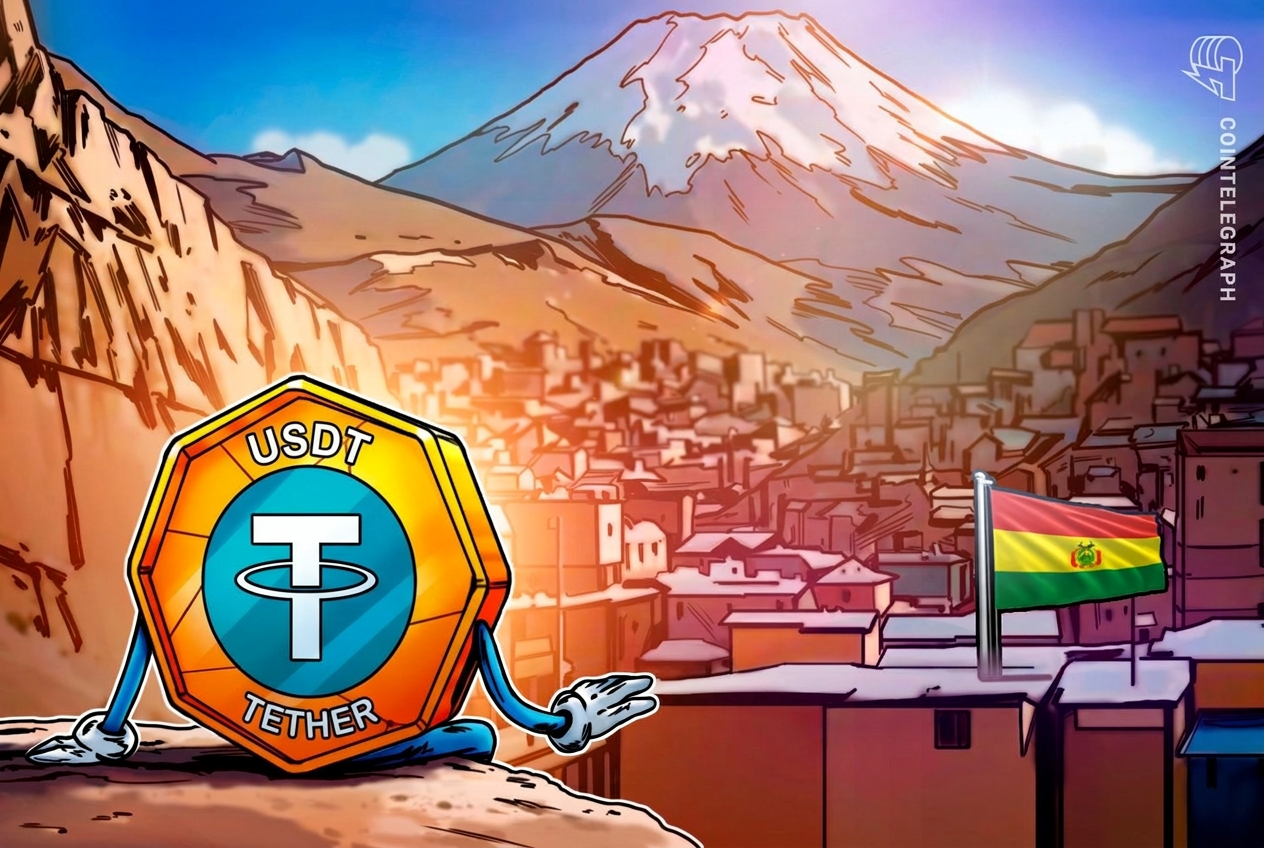
Tether backs Bolivian fintech bringing USDT payments to food delivery and banking
The investment will support Peso’s expansion across four Latin American markets, where it connects stablecoin payments to merchant...

French Authorities Push EU to Make Crypto Exchanges Screen DeFi Protocols for Users
Regulated crypto platforms that actively give customers access to decentralized finance should be liable for certain incidents tha...

Shinhan Card, SBI-Affiliated Crypto Firms Plan Yen Stablecoin Tests for In-Store Payments
Shinhan Card, the credit card arm of South Korea’s Shinhan Financial Group, signed a memorandum of understanding with two Japanese...

GENIUS Act Rules Are Reshaping the USDC vs. USDT Battle
The US stablecoin market is entering a new regulatory phase, with Circle’s USDC and Tether’s USDT facing different challenges as f...

Polkadot warns Fearless Wallet users to move funds after key leak
The incident underscores the critical need for robust security measures and timely communication to protect users in decentralized...

OpenSea opens mobile app to all users, pays referrers 25% of fees
OpenSea's app launch and referral incentives could reshape crypto trading by lowering entry barriers and intensifying competition...