After Defaulting Sri Lanka Plans to Print $2.8 Billion Worth of Rupees, Inflation Rate Expected to Top 40%
The government in crisis-stricken Sri Lanka has said it will print more money and cut spending on infrastructure as part of an attempt to pacify the restive population. The government, however, concedes that printing mor...
Archive context
Older archive item. Useful for background and entity history, but not a fresh market-moving signal.
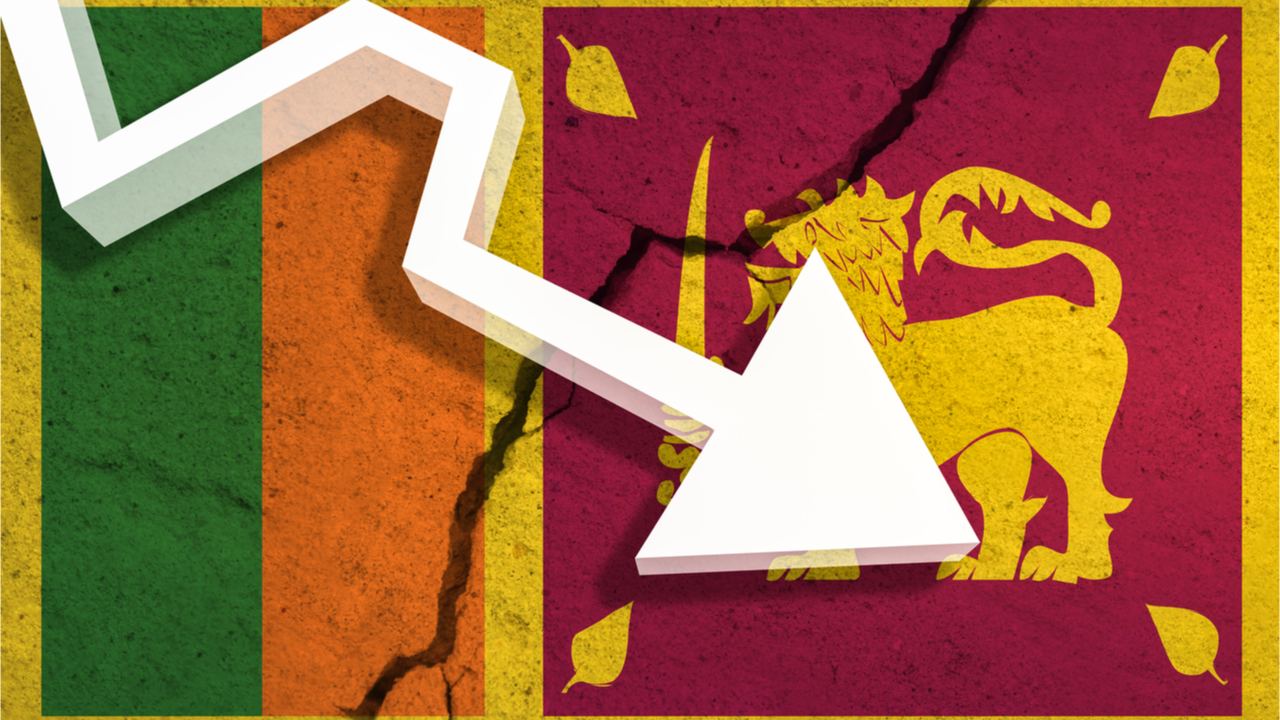
The government in crisis-stricken Sri Lanka has said it will print more money and cut spending on infrastructure as part of an attempt to pacify the restive population. The government, however, concedes that printing more money will likely see the inflation rate rise to 40%.
Printing More Money as the Solution
After defaulting on its obligations for the first time, the government in crisis-hit Sri Lanka now expects the country’s inflation rate to top 40%, Prime Minister Ranil Wickremesinghe has said. With the country now facing a steep revenue shortfall, authorities have said they intend to print money worth nearly $2.8 billion (one trillion rupees) which will be used to partly fund the government welfare programs.
As per remarks published in the Business Standard, Wickremesinghe concedes that injecting one trillion rupees into circulation may lead to more hardship and further turmoil in the country. Nevertheless, the recently installed prime minister insisted the reforms being undertaken by his government are intended to improve the welfare of the population.
Looking at the hard days ahead, there have to be protests. It’s natural when people suffer, they must protest. But we want to ensure that it does not destabilise the political system. With the interim budget, it is just about cutting down expenditure, cutting to the bone where possible and transferring it to welfare.
According to the Business Standard report, Sri Lanka’s economic woes were triggered by the Covid-19 pandemic, which ruined the country’s tourism industry. Some critics have, however, placed the blame on President Gotabaya Rajapaksa’s government, which approved tax cuts they argue caused the income flowing into government coffers to drop further.
Meanwhile, an Al Jazeera report suggested that the country’s failure to honor its debt obligation relating to coupon payments had led to Sri Lanka’s first default. A total of $78 million in outstanding coupon payments, initially due on April 18, were still not paid for when the 30-day grace period lapsed on May 18.
Giving his rationale for concluding that Sri Lanka has already defaulted, the prime minister said:
“We are in preemptive default. There can be technical definitions … From their side, they can consider it a default. Our position is very clear, until there is a debt restructure, we cannot repay.”
In addition to printing more rupees, Prime Minister Wickremesinghe’s government is reportedly planning to cut spending on infrastructure. The funds raised from the spending cuts will be used to finance a two-year relief program.
What are your thoughts on this story? Let us know what you think in the comments section below.
Why this matters
This cryptocurrency story adds another data point to the current market tape and is useful when read alongside nearby source coverage.
Original source
Read on Bitcoin NewsRelated market context

Bill Miller IV: “They’re Not Printing More Bitcoin”
▶Bitcoin Magazine Bill Miller IV: “They’re Not Printing More Bitcoin” Bill Miller IV, Chairman and CIO of Miller Value Partners, j...

US government holds about $20 billion in Bitcoin and Ether
The US government's crypto holdings could influence market dynamics, policy decisions, and future regulatory frameworks for digita...

Kazakhstan plans tokenized government bonds for Q1 2027 after $22M sale
Kazakhstan's move to tokenized bonds could revolutionize financial markets, enhancing transparency and liquidity while attracting...

Kazakhstan plans tokenized government bonds in first quarter after $22 million note sale
The plan follows Kazakhstan's first sale of tokenized central bank notes as the country expands its crypto market.

Why the Path to Quantum Resistance Runs Uphill for Wallet Manufacturers
Bitcoin custody has always involved some degree of risk, but wallet manufacturers like Trezor — which build physical devices desig...

U.S. Targets $1.2 Billion From Binance Hack—Where Is the Rest?
The Binance hack recovery has reached a significant milestone: U.S. authorities say more than $1.2 billion in stolen cryptocurrenc...