Bank Board Member and Dodd-Frank Co-Sponsor Barney Frank Suspects ‘Anti-Crypto’ Message Behind Signature Bank Failure
Barney Frank, a former member of the U.S. House of Representatives from Massachusetts and leading co-sponsor of the 2010 Dodd-Frank Act, discussed his opinion on the recent failure of Signature Bank. In an interview, Fra...
Archive context
Older archive item. Useful for background and entity history, but not a fresh market-moving signal.
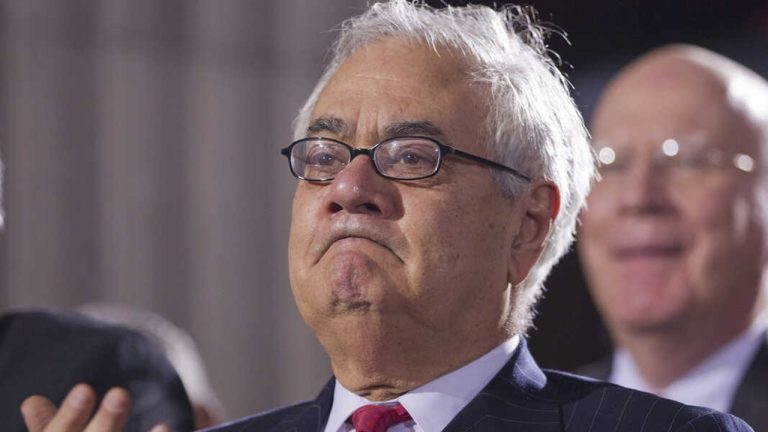
Barney Frank, a former member of the U.S. House of Representatives from Massachusetts and leading co-sponsor of the 2010 Dodd-Frank Act, discussed his opinion on the recent failure of Signature Bank. In an interview, Frank stated that he believes regulators aimed to “send a very strong anti-crypto message.” Frank, who also serves as a Signature board member, explained that he was surprised by the financial institution’s demise.
The Third-Largest Bank Failure in U.S. History: Signature Bank’s Demise was Confusing to Company ExecutivesNew York regulators from the Department of Financial Services (DFS) announced on Sunday evening that Signature Bank (SBNY) was shut down and the Federal Deposit Insurance Corporation (FDIC) took over as the bank’s receiver. The seizure was intended to “protect depositors,” said DFS superintendent Adrienne Harris. Unlike Silvergate Bank and Silicon Valley Bank (SVB), Signature’s failure was somewhat confusing to some market observers and it was the third-largest bank failure in the United States.
On Sunday evening, superintendent Harris stated that as of December 31, 2022, Signature had about $110.36 billion in assets and total deposits of around $88.59 billion. According to Barney Frank, a Signature board member and former U.S. representative from Massachusetts, the bank’s failure was surprising to its executives. In a phone call interview with CNBC, Frank stated, “We had no indication of problems until we experienced a deposit run late Friday, which was solely due to contagion from SVB.”
Frank explained that concern began to spread last week as Signature’s customers began transferring deposits from the New York bank to larger financial institutions such as JPMorgan and Citigroup. Although the former politician saw “no real objective reason” for Signature to be seized and shut down, he suspected that U.S. regulators may have been sending a message.
“I think part of what happened was that regulators wanted to send a very strong anti-crypto message,” Frank stated. “We became the poster boy because there was no insolvency based on the fundamentals.”
Frank also mentioned that withdrawals slowed on Sunday, and Signature executives believed the situation was resolved. Additionally, he asserted that the bank’s senior staff attempted to explore “all avenues” to resolve the financial institution’s liquidity issues. Frank was a co-sponsor of the 2010 Dodd-Frank Act, which made significant changes to how U.S. banking and the financial regulatory system are currently conducted. However, the policy framework has been partially repealed, and some U.S. banks are exempt from the Dodd-Frank ruleset.
What do you think about Barney Frank’s suspicion that regulators wanted to send an anti-crypto message by shutting down Signature Bank? Do you believe this is a fair assessment or is there more to the story? Share your thoughts in the comments section below.
Why this matters
This cryptocurrency story adds another data point to the current market tape and is useful when read alongside nearby source coverage.
Original source
Read on Bitcoin NewsRelated market context

Paraguay Bank Collapse Shows Why Bitcoin Was Created as USDT Hits Premium
Paraguay bank crisis is showing why Bitcoin was created in the first place. USDT sellers reportedly demanded premiums of up to 13%...
Fed and OCC Quiz U.S. Banks After $6.3 Billion Binance Hack
Bitcoin Magazine Fed and OCC Quiz U.S. Banks After $6.3 Billion Binance Hack U.S. bank regulators contacted banks this week to che...

Paraguay Bank Crisis Sends USDT to 13% Premium After Ueno Freeze Hits 3M Customers
Key Takeaways: Bybit P2P listing also went about 13% cheaper than Paraguay’s official dollar rate in USDT. The failure of Ueno Ban...
Ukraine Central Bank Refuses to Back Crypto Bill Cleared for Second Reading
Bitcoin Magazine Ukraine Central Bank Refuses to Back Crypto Bill Cleared for Second Reading Ukraine’s central bank will not suppo...
Bitcoin and USDT attract modest premiums in Paraguay as millions face banking crisis
Bitcoin and USDT have traded at premiums in Paraguay's peer-to-peer markets as a banking collapse unsettles the country's financia...

China central bank probes Solana after Shanghai shutdown, report
China’s central bank has launched an investigation into Solana after authorities shut down an “illegal” promotional Solana event l...