Bank of Kyrgyzstan Issues Warning About Cryptocurrencies, Crypto Payments
Amid the growing popularity of cryptocurrencies in Kyrgyzstan, the country’s central bank has reminded citizens about the risks associated with the digital assets. The monetary authority also warned that crypto payments...
Archive context
Older archive item. Useful for background and entity history, but not a fresh market-moving signal.
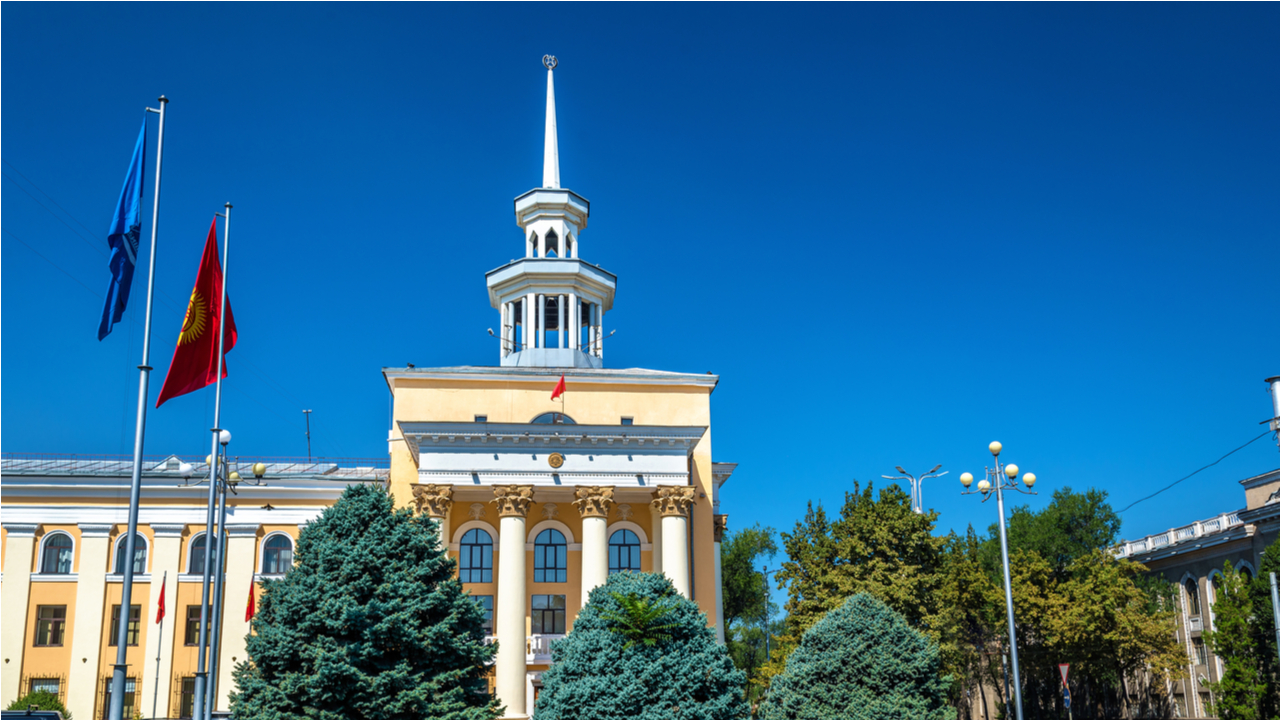
Amid the growing popularity of cryptocurrencies in Kyrgyzstan, the country’s central bank has reminded citizens about the risks associated with the digital assets. The monetary authority also warned that crypto payments are illegal in the Kyrgyz Republic.
National Bank of Kyrgyzstan Urges Caution With Cryptocurrency
Cryptocurrencies and other virtual assets are increasingly spreading in Kyrgyzstan, the nation’s central bank recently noted. The regulator reminded that using them to buy or sell goods and services is still against the law, with the Kyrgyzstani som remaining the only legal tender in the country.
Quoted by local media, the monetary authority also issued a warning regarding the risks linked to decentralized digital currencies. “No one, as a rule, is liable for cryptocurrency. It does not have financial support. It has no real value due to the fact that it is not tied to any currency or other asset,” it said.
This creates high risks of exchange rate volatility and loss of value, the National Bank of Kyrgyzstan (NBK) elaborated. It also pointed to the risks with settlements in cryptocurrency, stemming from its features and the absence of a “controlling central body.” The NBK further stated:
Therefore, we recommend citizens to be prudent and refrain from using cryptocurrency for payments and settlements. Users assume all possible risks and negative consequences when making settlements using cryptocurrency and virtual assets.
The authority’s statement comes after the central bank of neighboring Kazakhstan announced last week it’s examining the crypto market while emphasizing it’s too early to talk about legalization of cryptocurrencies like bitcoin.
Central Asia, where the two countries are situated, attracted crypto businesses last year, especially miners after China started cracking down on the industry in May, 2021. Both nations have since tried to limit mining by shutting down illegal crypto farms and raising electricity rates for authorized mining enterprises. Miners have been blamed for power shortages and damage to the electricity networks.
Do you expect the National Bank of Kyrgyzstan to change its policy towards cryptocurrencies in the future? Tell us in the comments section below.
Why this matters
This cryptocurrency story adds another data point to the current market tape and is useful when read alongside nearby source coverage.
Original source
Read on Bitcoin NewsRelated market context

Griffin Raises $20M to Bring Stablecoin Payments and Card Issuing to Its Banking Platform
Key Takeaways: Griffin raised $20 million in a Series B round at a valuation exceeding $100 million. The UK’s bank is set to intro...
Swiss National Bank holds $109.3 million in Strategy shares, a side door to Bitcoin
The SNB's indirect Bitcoin exposure highlights how digital assets are subtly integrating into traditional financial systems despit...
UK, Singapore, and Thailand central banks complete foreign exchange settlement trial linking traditional and tokenized systems
Three central banks published findings from a cross-border FX settlement trial using Partior's synchronization prototype.

Czech National Bank issues its first bonds on a blockchain ledger
The Czech National Bank's blockchain bond issuance could revolutionize financial markets by enhancing transaction speed and reduci...

Bitcoin Holiday? Thailand Opens the Door to Nationwide Crypto Payments for Tourists
Thailand is giving crypto holders another reason to book a holiday. Foreign tourists can now convert their digital assets into Tha...

AI Tops Fed Survey of Financial Risks—Why Crypto Investors Should Pay Attention
AI has become the most frequently cited financial-stability risk in a survey published with the Federal Reserve’s latest report, b...