Bank of Russia Eases Restrictions on Purchases of Dollar and Euro Cash
The Central Bank of Russia has relaxed some limitations for Russian banks selling U.S. dollars and euros to the public. The increased supply of foreign cash may affect the crypto market in the country as currency restric...
Archive context
Older archive item. Useful for background and entity history, but not a fresh market-moving signal.
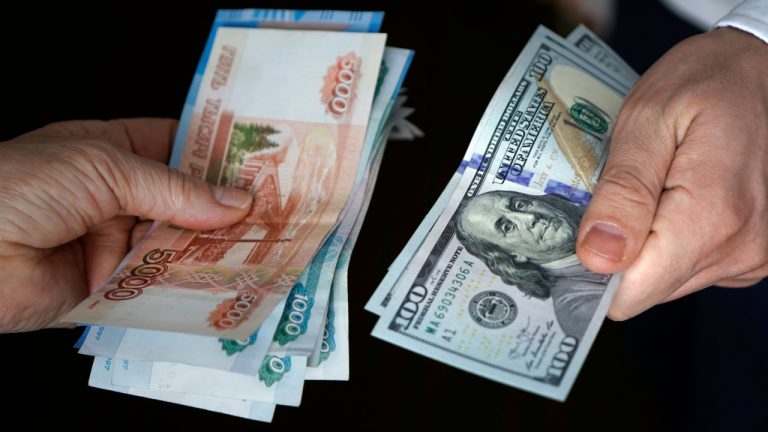
The Central Bank of Russia has relaxed some limitations for Russian banks selling U.S. dollars and euros to the public. The increased supply of foreign cash may affect the crypto market in the country as currency restrictions have been a driver of increased demand for digital coins.
Monetary Authority of Russia Expands Citizens’ Access to Foreign CashThe Central Bank of the Russian Federation (CBR) has lifted one of the restrictions on the sale of U.S. dollars and euros in cash to private individuals imposed amid Western sanctions over the war in Ukraine, the Interfax news agency reported.
Until recently, Russians could buy only dollars and euros sold to the banks at their cash desks after April 9, 2022, by other physical persons. Now the CBR has allowed Russian lenders to sell the two convertible currencies if they are also obtained from other sources.
The regulator explained that these may include transactions with non-resident banks as well as foreign cash deposited by Russian legal entities. The adjustment will allow banks to increase the supply of cash dollars and euros, its press service said, noting that other restrictive measures will remain in place until March 9, 2023, as announced earlier this year.
In August, the Bank of Russia extended restrictions on U.S. dollar and euro cash withdrawals for another six months. At the moment, Russian banks are not limited in the sale of other foreign fiat currencies, the report notes.
Moscow’s decision to invade Ukraine in late February was met with harsh economic and financial sanctions introduced by the West. They have limited Russia’s access to global finances, including its foreign currency reserves.
Currency restrictions enforced by the CBR led to a spike in demand for crypto. Many Russians have been buying bitcoin, other cryptocurrencies, and stablecoins to use them for money transfers abroad, among other purposes. It remains to be seen how their loosening now will affect the local crypto market. A recent poll showed that close to a third of Russians are ready to buy coins in the next six months.
Do you think the easing of foreign cash restrictions will influence crypto demand in Russia? Share your thoughts on the subject in the comments section below.
Why this matters
This cryptocurrency story adds another data point to the current market tape and is useful when read alongside nearby source coverage.
Original source
Read on Bitcoin NewsRelated market context

Goldman, Citi and Other Banks Reportedly Fund $270 Million Stablecoin Initiative
The stablecoin venture that 21 financial firms unveiled in September has about $270 million in commitments from its backers, with...

Think Bigger!! Schwartz Calls for Higher XRP Price as 37 European Banks Embrace Ripple
David Schwartz has delivered a fresh bullish message to frustrated XRP holders, saying that a higher price could make the network...

Backed by $80 Million, Alta is Building the Infrastructure to Bring Global Banking Onchain
San Francisco, CA, USA, November 10th, 2026, Chainwire New funding will advance institutional-grade blockchain infrastructure buil...

Alta raises $47.5M Series A to build a compliance-first blockchain for banks
Alta's compliance-focused blockchain could redefine financial transactions, enhancing regulatory adherence and efficiency in globa...

Binance Freezes Out MEXC Four Weeks Before U.S. Transfer Ban Applies
Binance announced Tuesday that it is refusing to move money to or from the crypto exchange MEXC and its affiliated companies. The...

Goldman, Citi and Global Banks Commit $270 Million to Challenge Crypto’s Stablecoin Giants
The funding, backing a U.S.-incorporated issuer codenamed “Project Faro,” covers five years of operations as traditional lenders m...