Binance.com Limits Offering for Singapore Customers
Binance has announced limitations to Singaporean customers three days after the country’s central bank placed the cryptocurrency exchange on an Investor Alert List and ordered the exchange to stop soliciting business fro...
Archive context
Older archive item. Useful for background and entity history, but not a fresh market-moving signal.

Binance has announced limitations to Singaporean customers three days after the country’s central bank placed the cryptocurrency exchange on an Investor Alert List and ordered the exchange to stop soliciting business from Singapore residents.
From midday Singapore time on Friday, September 10, Binance.com will cease trading pairs with the Singaporean dollar, stop Singaporean payment options and boot the app from Singapore’s iOS and Google Play stores.
Binance advised customers to finish all trades and remove advertisements by midday UTC+8 on Thursday “to avoid potential trading disputes.”
The Monetary Authority of Singapore said on September 2 that it “is of the view that Binance, the operator of Binance.com, may be in breach of the Payment Services Act” and ordered it to stop providing payment services to Singapore residents. Then the MAS added Binance.com on its Investor Alert List.
The MAS has not listed the Singaporean version of Binance’s exchange, Binance.sg, which is operated by Binance Asia Services and remains unaffected by the ban.
Binance operates several subsidiaries companies around the world that offer reduced services to comply with local regulators. The terms of Binance.sg clarify that the site operates “independently and separate from Binance.com,” the main, global version of the exchange, and accounts on Binance.sg are not connected “in any way to accounts on Binance.com.”
Singapore Regulator Places Binance on 'Investor Alert List'However, it’s possible to access Binance.com through a VPN, and the exchange only recently started verifying its customers’ identities. Binance.com was added to the Investor Warning List because, “based on information received by MAS, may have been wrongly perceived as being licensed or regulated by MAS.”
Binance Asia Services has applied for a license and is temporarily exempt from one until the application is approved, rejected or withdrawn. Singapore’s Payments Services Act granted would-be-regulated exchanges a grace period before it went into effect in January 2020.
Singapore is the latest country to crack down on Binance. South Africa, Malaysia, Singapore, the UK, Italy, the Cayman Islands, and Japan have all taken similar positions against Binance over the past few months.
But this warning hits close to home. Changpeng Zhao, Binance’s CEO, lives in Singapore, and many employees live there.
Why this matters
This cryptocurrency story adds another data point to the current market tape and is useful when read alongside nearby source coverage.
Original source
Read on DecryptRelated market context
CCE.Cash Partners With Swapzone to Expand Access to Crypto Exchange Services
CCE.Cash has partnered with Swapzone, a cryptocurrency exchange aggregation platform, making CCE.Cash available to users exploring...
Binance lists 227 futures pairs in 2026, with most tracking traditional assets
Binance's focus on traditional assets in futures trading could blur lines between crypto and traditional finance, impacting market...
Binance Seeks Brazil Crypto License as It Delists 22 Tokens
Lending and margin restrictions take effect Oct. 27, while an on-time application allows existing providers to operate during the...
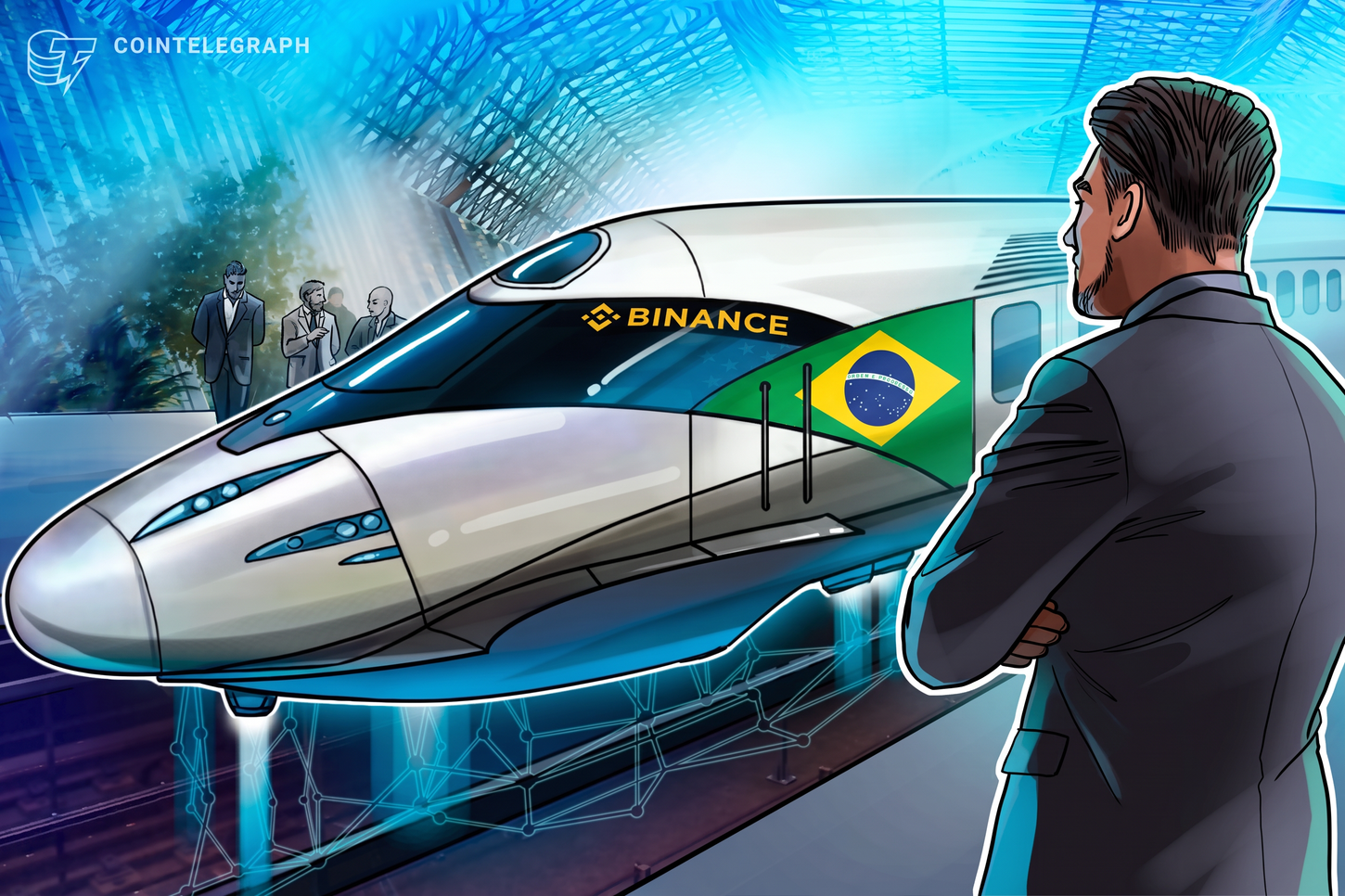
Binance files for Brazil crypto license ahead of Friday deadline
The exchange is delisting 22 crypto assets for Brazilian users and hopes talks with the central bank will allow it to restore some...
EDX Markets Signs Apex Fintech Deal to Broaden Crypto Trading Access
TL;DR: EDX Markets and Apex Fintech Solutions announced a strategic relationship on October 26 to connect institutional digital-as...
Binance credits NOKB dividends to Spot Wallets as extra tokens
Tokenized dividends highlight the reliance on exchanges for corporate actions, emphasizing the lack of direct ownership and voting...