China Warns of Global Financial Instability From US Economic Policies
China has urged the U.S. and other developed nations to assess the spillover effects of their economic and financial policies. “The economic and financial policies of the U.S. pose the biggest challenge to global financi...
Archive context
Older archive item. Useful for background and entity history, but not a fresh market-moving signal.
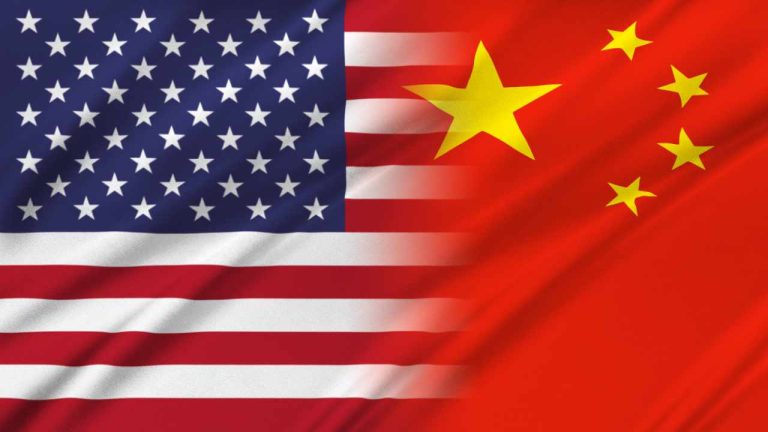
China has urged the U.S. and other developed nations to assess the spillover effects of their economic and financial policies. “The economic and financial policies of the U.S. pose the biggest challenge to global financial stability,” according to the Chinese Ministry of Foreign Affairs.
China Cautions About U.S. Economic and Financial PoliciesWang Wenbin, a spokesperson for China’s Ministry of Foreign Affairs, expressed concerns over the state of the global economy at a press conference Thursday.
Commenting on the recent International Monetary Fund (IMF) Global Financial Stability report pointing out that the turmoil in the U.S. banking sector has increased the risk of global financial stability, the Chinese official said: “Global financial stability bears on the recovery and development of the world economy and the common interests of all countries, and requires the world’s common efforts.”
Emphasizing that “The notable global financial risks have much to do with the aggressive adjustments of the monetary policies in the U.S. and other developed countries,” Wenbin stressed:
Many in the international community shared the view that the economic and financial policies of the U.S. pose the biggest challenge to global financial stability. The massive interest rate hikes by the U.S. Federal Reserve since last year have significantly increased global financing costs and exacerbated disorderly international capital flows.
“This has not only led to the bankruptcy or takeover of some banks in the U.S. and Europe, but also made things more difficult for emerging markets and developing countries, which is not conducive to the stability and recovery of the world economy and common development of the world,” the Ministry of Foreign Affairs spokesperson added.
“Research shows that commercial creditors from developed countries hold almost half of the debt of debt-ridden countries in the world. Since last year, the higher interest rates of developed countries including the U.S. have increased the debt burden of the countries concerned, plunging them into a vicious cycle of debt repayment and exposing them to debt default,” the Chinese official continued, emphasizing:
We urge the U.S. and other developed countries to prudently assess the spillover effects of their economic and financial policies, stabilize market expectations in a timely manner, and avoid creating adverse shocks to global financial stability.
“At the same time, we call on developed countries to listen to the developing countries about what they actually think and urgently need, provide tangible help to countries in difficulty, stop paying lip service and shifting blame, and step up to their responsibility for maintaining global financial stability and promoting global economic recovery,” he concluded.
Do you think that U.S. economic and financial policies will lead to global financial instability? Let us know in the comments section below.
Why this matters
This cryptocurrency story adds another data point to the current market tape and is useful when read alongside nearby source coverage.
Original source
Read on Bitcoin NewsRelated market context

China central bank probes Solana after Shanghai shutdown, report
China’s central bank has launched an investigation into Solana after authorities shut down an “illegal” promotional Solana event l...

White House Begins Review of ‘Economically Significant’ SEC Crypto Broker-Dealer Draft
The White House’s regulatory review office logged a Securities and Exchange Commission draft on Nov. 3 that would rework how the a...

Treasury Cuts Crypto Exchange MEXC Off From US Financial System
FinCEN’s order, part of Operation Economic Outcast, bars U.S. institutions from any transfers to or from MEXC, which Treasury says...

Centrifuge brings Schroders emerging markets debt fund onchain via Solana
Tokenizing emerging market debt on Solana could accelerate blockchain adoption in traditional finance, enhancing liquidity and acc...
LPL Financial boosts Bitcoin ETF stake by 50% to $261 million
LPL Financial's increased Bitcoin ETF stake signals growing mainstream acceptance of crypto assets, potentially influencing broade...

OpenWorld launches tokenized OPNW shares on Solana
OpenWorld's tokenization of shares on Solana could revolutionize capital markets by enhancing liquidity, accessibility, and global...