Chipper Cash Extends Peer-to-Peer Money Transfer Service to South Africa
Chipper Cash, an African fintech start-up, has extended its peer-to-peer instant money service to South Africa. In addition to being able to use the remittance service, South African users will be able to buy, sell, and...
Archive context
Older archive item. Useful for background and entity history, but not a fresh market-moving signal.
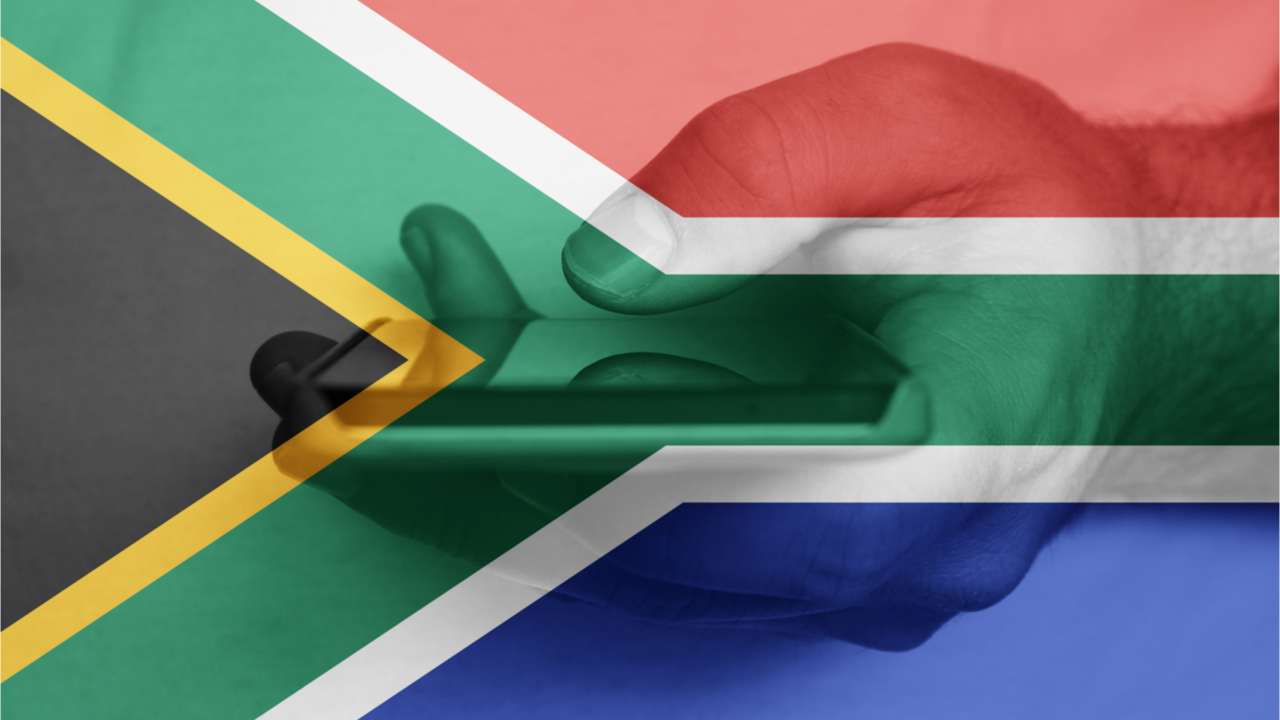
Chipper Cash, an African fintech start-up, has extended its peer-to-peer instant money service to South Africa. In addition to being able to use the remittance service, South African users will be able to buy, sell, and transfer cryptocurrencies like bitcoin, ethereum, and the USDC stablecoin.
South Africa Ripe for Disruption and InnovationAccording to a report that quotes the start-up’s VP for strategy and partnerships in Africa, Pardon Mujakachi, Chipper Cash has made the foray into South Africa because it believes the country “is ripe for disruption and innovation in the financial services market.”
The report also quotes the VP revealing the fact that it takes “three days for a person in the U.S. to send money to South Africa” while on the other hand, it takes up to 48 hours to move funds from one bank to another.
It is such inefficiencies that often drive users to informal channels, argued Mujakachi. The VP also shared figures of the estimated number of users that are forced to use such informal channels. He said:
People end up using informal channels to send money. If you look at the outbound remittances from South Africa, 68% is going through informal channels. Even with the domestic remittances, a sizeable amount goes through the informal channel.
According to the Chipper Cash VP, it is such domestic remittances that will be the fintech firm’s starting point in South Africa. However, only verified users will be allowed to use this app.
Dominance of Legacy Money Transfer OrganizationsChipper Cash, just like other fintech start-ups before it, is attempting to claim a sizeable portion of the cross-border remittance market share from established money transfer organizations (MTO).
By offering lower transaction costs, Chipper Cash potentially stands a chance of eating into existing MTOs’ market share. However, it remains to be seen if this mobile app is going to win over South Africa’s financially excluded groups. This is because in addition to lacking the required verification documents, some in these financially excluded groups have no access to devices that are needed to use the mobile app.
What are your thoughts on this story? Tell us what you think in the comments section below.
Why this matters
This cryptocurrency story adds another data point to the current market tape and is useful when read alongside nearby source coverage.
Original source
Read on Bitcoin NewsRelated market context
82 Million Galaxy Devices Will Support USDC Transfers This October
USDC is set to become Samsung Wallet’s default dollar stablecoin as Coinbase expands its partnership with the smartphone maker. Th...

Polygon Opens Its Money Stack To TRON’s $94 Billion USDT Market
TL;DR: Polygon Open Money Stack now supports TRON, giving payment and fintech businesses a single infrastructure layer for bank tr...
Samsung Wallet Brings USDC Transfers to 82 Million US Galaxy Devices in Late October
Samsung announced Oct. 7 that eligible Galaxy users in the US will be able to send USDC from Samsung Wallet starting in the last w...

Money20/20 USA 2026: How Bitcoin, Stablecoins and AI Are Reshaping the Future of Finance
Bitcoin Magazine Money20/20 USA 2026: How Bitcoin, Stablecoins and AI Are Reshaping the Future of Finance Fintech has moved beyond...
Polygon Open Money Stack Expands to TRON, Extending Network Access to Regulated U.S. Payment Rails
Dubai, UAE – October 8, 2026 – Polygon Labs today announced that Polygon Open Money Stack now supports the TRON network, giving fi...
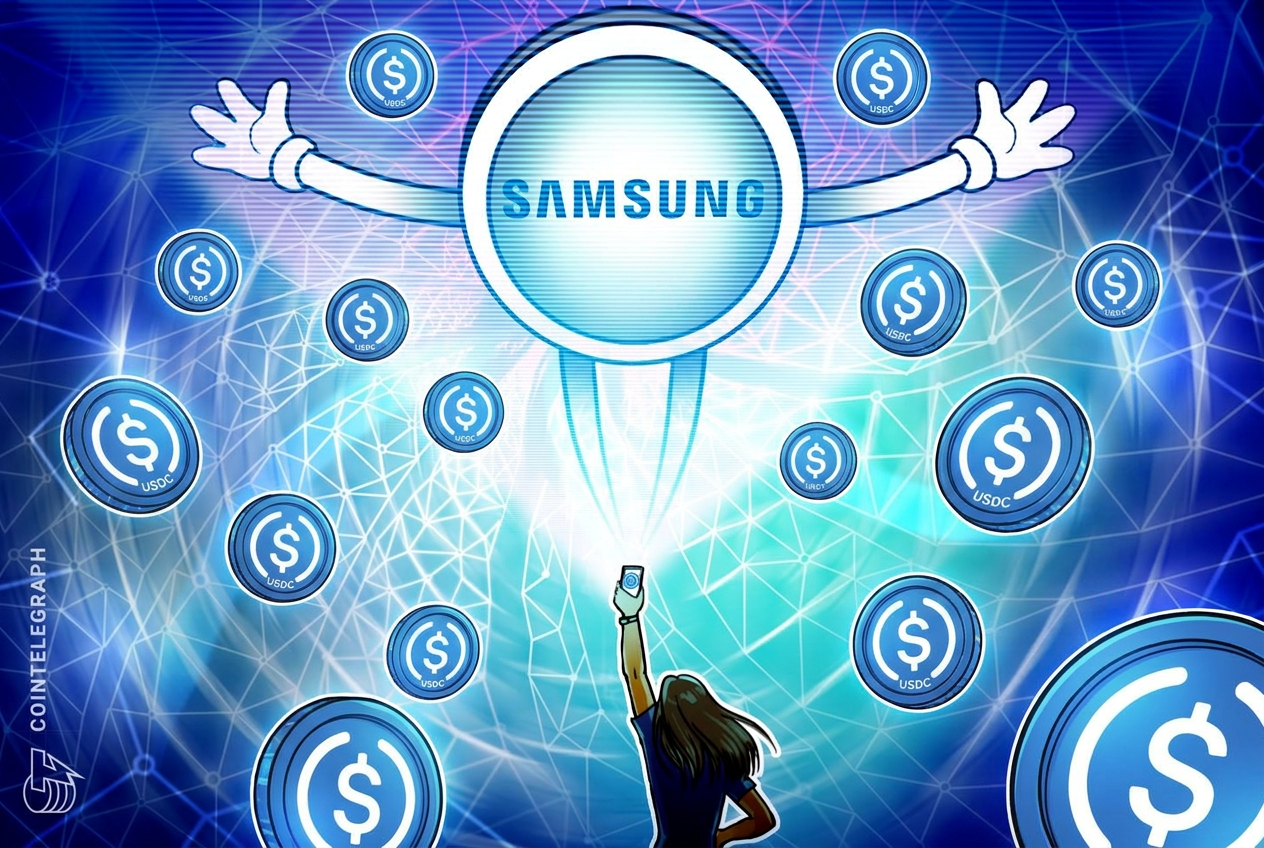
Samsung Wallet to add USDC transfers for US Galaxy users in October
Eligible US Galaxy will be able to send USDC to crypto wallets and transfer funds to bank accounts in more than 60 countries.