Coinbase Sues SEC over Silence on 2022 Rulemaking Petition
Coinbase has filed a suit against the Securities and Exchange Commission (SEC) for failing to respond to its July 2022 petition that asked the US securities watchdog to provide guidance for the cryptocurrency industry us...
Archive context
Older archive item. Useful for background and entity history, but not a fresh market-moving signal.

Coinbase has filed a suit against the Securities and Exchange Commission (SEC) for failing to respond to its July 2022 petition that asked the US securities watchdog to provide guidance for the cryptocurrency industry using its formal rulemaking process. The crypto exchange disclosed the suit on Monday, noting that it simply requested that the federal court “ask the SEC to share its decision” on the petition.
Today, we filed a narrow action in the U.S. Circuit Court to compel the SEC to respond “yes or no” to a rulemaking petition we filed with them last July asking them to provide regulatory guidance for the crypto industry. 1/4 https://t.co/rlsS1DIFfl
— paulgrewal.eth (@iampaulgrewal) April 25, 2023Coinbase Seeks Regulatory Clarity
In the petition, Coinbase asked that the SEC “propose and adopt rules to govern the regulation of securities that are offered and traded via digitally native methods [such as crypto exchanges], including potential rules to identify which digital assets are securities.” In a blog post published on Monday, the crypto exchange noted that the petition has generated over 1,700 submitted comments from entities and individuals, “echoing the request for clarity.”
“The rulemaking process is a critical step to giving the public notice about what activities they can and cannot engage in,” Paul Grewal, Coinbase’s Chief Legal Officer, explained in the blog post. “So until the crypto industry gets that clarity, we will continue to take every step available to us to seek it, which includes today’s filing.”
Coinbase’s suit comes a month after the largest US crypto exchange got a Wells notice from the SEC, stating that it has been violating the US securities law by offering unregistered securities. Reacting, Grewal faulted the notice, noting that the securities watchdog previously declined the exchange's request to state which specific assets on its platform it considers to be securities.
Coinbase received a Wells notice from the SEC. After years of asking for reasonable crypto rules, we're disappointed that the SEC is considering courts over constructive dialogue. But if courts are required, so be it. We'll defend the rule of law. 1/15 https://t.co/MXpc0RhNj4
— paulgrewal.eth (@iampaulgrewal) March 22, 2023In recent months, the SEC has doubled down on its enforcement actions against crypto executives, exchanges and lenders, noting that their crypto offerings were unregistered securities. Executives such as TRON Founder, Justin Sun and Terraform Labs and CEO, Do Kwon as well as platforms such as Kraken, Gemini and Genesis, are all facing regulatory pressure in this regard.
In the context of these developments, Grewal noted that Coinbase and other crypto firms face potential regulatory enforcement actions from the SEC despite not knowing which of the agency's existing securities laws apply to their businesses.
“From the SEC’s public statements and enforcement activity in the crypto industry, it seems like the SEC has already made up its mind to deny our petition. But they haven’t told the public yet,” Grewal said, adding that “regulatory clarity is overdue for our industry.”
House Republicans Release Draft for Stablecoin Regulation
Meanwhile, on Monday, Republicans from the US House of Representatives Financial Services Committee released a draft of the proposed bill to regulate stablecoin issuers. The draft was introduced last year as a bipartisan bill sponsored by the Committee Chair, Maxine Waters, who is a Democrat, and Patrick McHenry, a Republican.
However, the latest draft lacks support from the Democrats as they have called it outdated. Waters during the first 2023 hearings on the bill held last Wednesday noted that the bill does not represent the negotiations agreed by the political blocs.
The bill seeks to provide rules to govern registration and the approval of prospective stablecoin issuers, state reserve requirements and outline the roles of federal and state regulators in stablecoin regulation, among other areas of focus. The latest Republican draft, among other things, states that stablecoins are not securities, suggesting they should not be supervised by the SEC.
This article was written by Solomon Oladipupo at www.financemagnates.com.Why this matters
This cryptocurrency story adds another data point to the current market tape and is useful when read alongside nearby source coverage.
Original source
Read on Finance MagnatesRelated market context

EU Securities Regulator Wants Crypto Platforms to Wind Down Non-MiCA Stablecoin Services
The European Securities and Markets Authority (ESMA) issued an opinion dated Oct. 8 saying licensed crypto platforms should stop s...
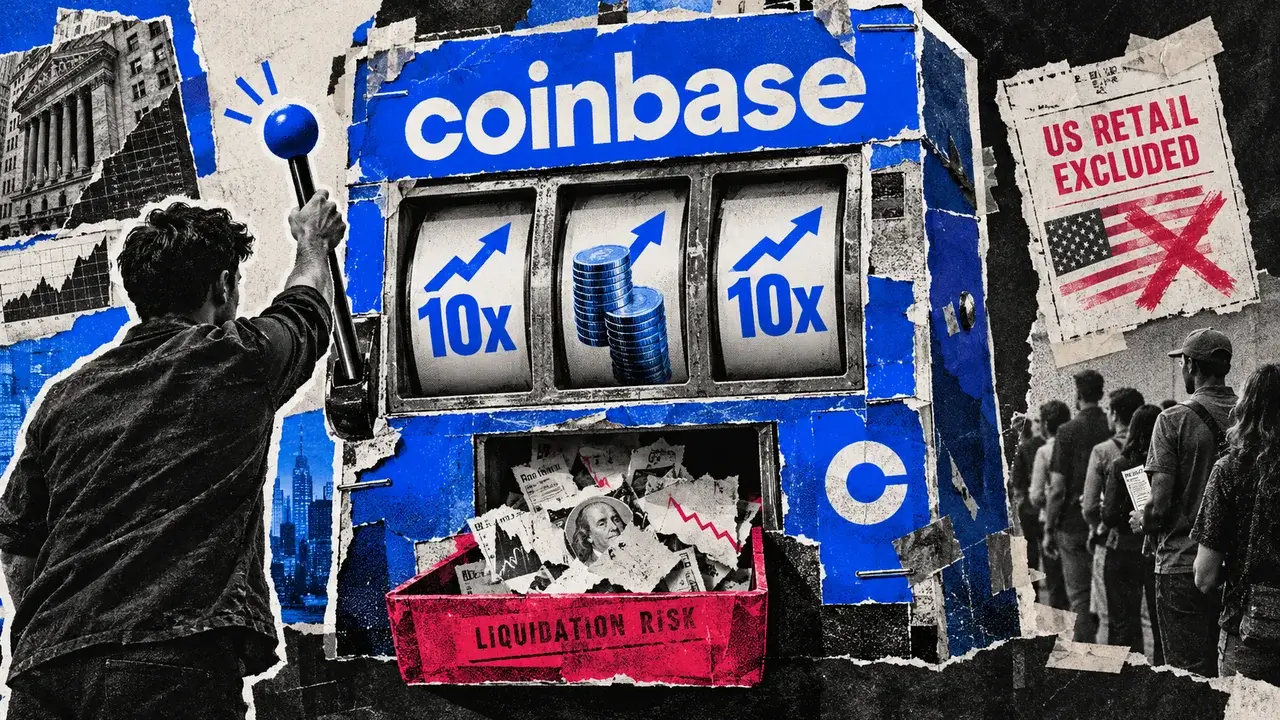
Coinbase rolls out 10x spot leverage, but blocks US retail from it
Coinbase plans to introduce spot borrowing with up to 10x leverage, letting eligible traders borrow against collateral to buy cryp...
XRPL’s $1.34 billion stablecoin base doesn’t tell us how much XRP users need
Tracked stablecoins on the XRP Ledger totaled $1.338 billion on Oct. 7. For XRP holders, the critical question is how much activit...

Why XRP’s 63 billion circulating tokens don’t tell buyers what’s for sale
For XRP buyers, available supply depends on the price they are willing to pay. The token's roughly 63.09 billion circulating suppl...

Polygon Opens Its Money Stack To TRON’s $94 Billion USDT Market
TL;DR: Polygon Open Money Stack now supports TRON, giving payment and fintech businesses a single infrastructure layer for bank tr...

U.S. Government Sends $1 Billion in Seized Bitfinex Bitcoin to Unlabeled Wallets
A wallet holding bitcoin stolen in the 2016 Bitfinex hack sent 12,267 BTC, worth about $1.01 billion, to new addresses on Thursday...