Coins and Code: The ECB's Dance with the Digital Euro Dilemma
In a strategic move that propels the European Central Bank (ECB) to the forefront of digital currency innovation, the institution announced on October 18 its initiation of a two-year "preparation phase" for the digital e...
Archive context
Older archive item. Useful for background and entity history, but not a fresh market-moving signal.

In a strategic move that propels the European Central Bank (ECB) to the forefront of digital currency innovation, the institution announced on October 18 its initiation of a two-year "preparation phase" for the digital euro. This groundbreaking development sets the stage for the ECB to become the first among the Group of Seven (G7) wealthy nations to venture into the realm of digital currencies, potentially serving as a blueprint for other central banks.
The Promise of Security and Cost-Effectiveness
The preparation phase involves finalizing regulatory frameworks, selecting private-sector partners, and conducting comprehensive testing and experimentation.
Aiming to ensure the security and cost-effectiveness of electronic payments, the ECB's move signifies a significant stride towards a digital future.
Point: Enhancing Security and Accessibility
The digital euro, during its operational phase, is envisioned to function much like traditional online wallets or bank accounts, but with a distinctive feature – it will be free to use and guaranteed by the ECB, enhancing its safety profile. This move addresses the long-standing challenge of transaction security in the digital realm, promising users a robust and cost-effective alternative for electronic transactions.
Counterpoint: Privacy Concerns and Regulatory Uncertainty
However, this groundbreaking project faces criticism from certain quarters, including bankers, regulators, and some academics, raising concerns about potential disruptions to the commercial banking sector. Critics argue that the shift to digital currencies may compromise user privacy, as every transaction could be tracked, leading to a potential clash with existing privacy regulations. Additionally, regulatory uncertainties surrounding digital currencies could pose challenges for individuals and businesses adapting to this new financial landscape.
Point: Competition and Market Dynamics
One key criticism revolves around the fear that a digital euro could lead to a withdrawal of deposits from commercial banks during times of crisis, with minimal improvements over existing account structures. To address these concerns, the ECB has proposed imposing a cap on individual ownership of digital euros, likely around 3,000 euros, and highlights its potential to introduce healthy competition in the payment market, traditionally dominated by U.S. credit card companies.
Counterpoint: The Challenge of Clear Communication
Amidst these considerations, the ECB faces the challenge of clearly communicating the added value of the digital euro. The success of the digital euro hinges not only on its technological merits but also on the ability to convey its advantages effectively to the public and stakeholders.
Point: Privacy Assurance and Offline Flexibility
As the ECB advances toward digitalization, it assures users that, akin to physical cash, small offline payments can be made using digital euros. Additionally, the ECB commits to not storing any data related to individual transactions, emphasizing privacy and security. This approach aims to strike a balance between the convenience of digital transactions and the preservation of user privacy, mitigating concerns raised by skeptics.
Counterpoint: Distribution Dynamics and Access Limitations
The distribution of the digital euro will involve both the ECB and collaborating entities such as commercial banks and digital wallet providers. Access will be limited to residents of the euro area and its citizens abroad, a strategic move to manage concerns about mass adoption in regions with weaker local currencies. Critics argue that such limitations might exclude segments of the population, potentially exacerbating financial disparities and limiting the currency's inclusivity.
Conclusion: A Dual Narrative Unfolds
This development unfolds against the backdrop of a global surge in digital payments, accelerated by the COVID-19 pandemic. The ECB's move into the digital space has ignited a dual narrative, highlighting the potential benefits of enhanced security, competition, and offline flexibility, while also underscoring valid concerns about user privacy, regulatory uncertainties, and distribution limitations. As the ECB pioneers the digital euro, the world will witness a nuanced exploration of the opportunities and challenges inherent in the evolving landscape of digital currencies.
This article was written by Pedro Ferreira at www.financemagnates.com.Why this matters
This cryptocurrency story adds another data point to the current market tape and is useful when read alongside nearby source coverage.
Original source
Read on Finance MagnatesRelated market context

BNY Expands Regulated Crypto Custody Across The European Union Under MiCA
TL;DR: BNY has expanded its Digital Asset Custody platform to selected institutional clients across the European Union under MiCA....

Europol says crypto’s quantum upgrade could take years and urges work to start now
Europol, the EU’s law enforcement agency, is urging the cryptocurrency industry to begin preparing wallet and protocol upgrades fo...

Why Bitcoin’s Liquidity Advantage Matters as Institutions Move In
Bitcoin Magazine Why Bitcoin’s Liquidity Advantage Matters as Institutions Move In Bitcoin’s portability, divisibility and accessi...
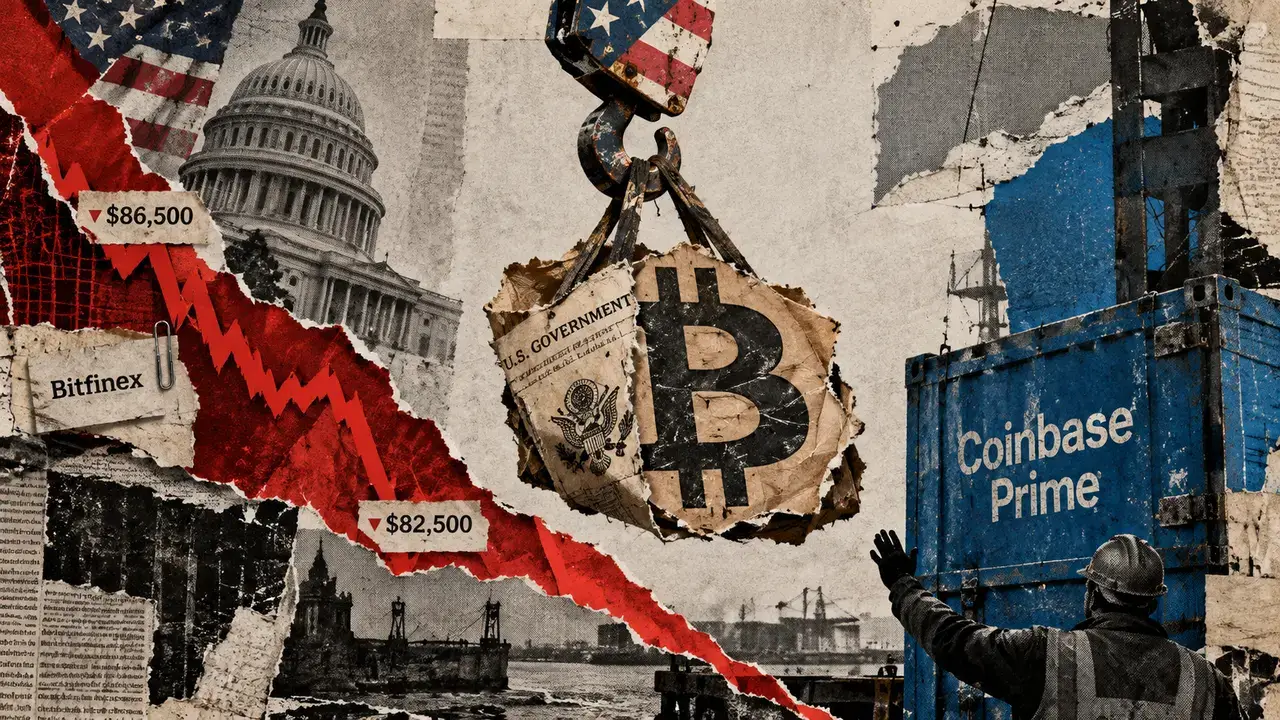
US government moves another $1 billion in Bitcoin as BTC slides $4,000
US government-linked wallets moved over $1 billion in Bitcoin on Oct. 8 as BTC prices fell and more coins reached Coinbase Prime....

Sui’s Hashi Bitcoin Finance Network Launches With More Than $500 Million Committed
TL;DR: Hashi, Sui’s native Bitcoin finance infrastructure, will begin a phased mainnet rollout later this month with more than $50...

US government moves $1.01 billion in Bitcoin from Bitfinex hack wallet
The transfer suggests a strategic shift in government crypto asset management, potentially impacting market dynamics and regulator...