Crypto Achilles Heel: How The Absence Of Settlement Infrastructure Is Holding Back The Market
Ram Ahluwalia, the CEO of PeerNova, recently commented on the liquidity challenges the crypto market faces. According to Ahluwalia, the lack of a crypto bank settlement layer has led to a significant drying up of liquidi...
Archive context
Older archive item. Useful for background and entity history, but not a fresh market-moving signal.

Ram Ahluwalia, the CEO of PeerNova, recently commented on the liquidity challenges the crypto market faces. According to Ahluwalia, the lack of a crypto bank settlement layer has led to a significant drying up of liquidity, hurting market makers and other participants in the industry.
Crypto’s Biggest ChallengeIn traditional finance, the solution to this problem is provided by well-capitalized clearinghouse firms such as the Depository Trust and Clearing Corporation (DTCC), Chicago Mercantile Exchange (CME), and Intercontinental Exchange (ICE).
These firms act as the intermediary between buyers and sellers, assuming the role of the seller to every buyer and the buyer to every seller. This allows market makers to settle instantly with counterparties without taking on any counterparty or settlement risk.
The role of clearinghouse firms in traditional finance is crucial for ensuring market stability and facilitating efficient trading. By assuming the counterparty risk of every trade, these firms provide confidence and security that encourages market participants to trade with one another.
1/ Crypto market liquidity has dried up significantly.
These are the consequences of a lack of a crypto bank settlement layer (SI & Signature).
Market makers need a way to settle instantly with counterparties (eg, exchanges, HFs, other MMs).
— Ram Ahluwalia, higher for longer crypto CFA (@ramahluwalia) May 15, 2023
However, the lack of a similar clearinghouse infrastructure in the crypto market has created significant challenges for market participants. Market makers and other participants are forced to assume counterparty and settlement risk without a centralized clearinghouse, which can be a significant barrier to trading.
This has led to a drying up of liquidity in the market, making it more difficult for traders to find counterparties and execute trades.
The Importance Of InfrastructureAccording to Ahluwalia, there is a growing need for a crypto bank settlement layer that can provide the same security and confidence as traditional clearinghouses to address this challenge. This would allow market makers to settle instantly with counterparties without taking on any counterparty or settlement risk.
It would also help improve market stability and facilitate efficient trading, which would benefit the crypto market as a whole.
However, the emergence of solutions such as Signature Bank’s Signet, a blockchain-based system and a competitor to Silvergate Capital Corp’s now-defunct SEN, has seemingly solved this problem for the crypto market, according to Ahluwalia.
Before the two crypto-friendly bank’s debacle, these solutions provided market makers with instant settlement, allowing them to trade with counterparties without having to tie up capital on multiple exchanges or wait for funds to clear, which is crucial for improving capital efficiency. The lack of it can lead to a drying up of liquidity in the market.
On the other hand, Ram Ahluwalia raises an interesting question regarding using a secure high Transaction Per Second (TPS) blockchain to settle transactions instead of the banking settlement layer. While decentralization has grown in popularity, Ahluwalia believes that certain risks are associated with relying solely on blockchain technology for settlement.
One major issue is compliance with sanctions screening laws issued by organizations like the Office of Foreign Assets Control (OFAC), a division of the US Treasury. This list includes North Korea, drug cartels, Russian oligarchs, and Iran. Market makers were previously able to rely on banks to ensure compliance with these laws, but without this layer of oversight, market makers would be assuming more risk.
Overall, for Ram Ahluwalia, in the context of a 24×7 crypto market, the need for a 24×7 bank instant settlement layer is critical to unlocking liquidity, and the recent loss of critical market infrastructure like Sen and SigNet has highlighted the importance of having a reliable settlement layer in place.
Featured image from iStock, a chart from TradingView.com
Why this matters
This cryptocurrency story adds another data point to the current market tape and is useful when read alongside nearby source coverage.
Original source
Read on NewsBTCRelated market context
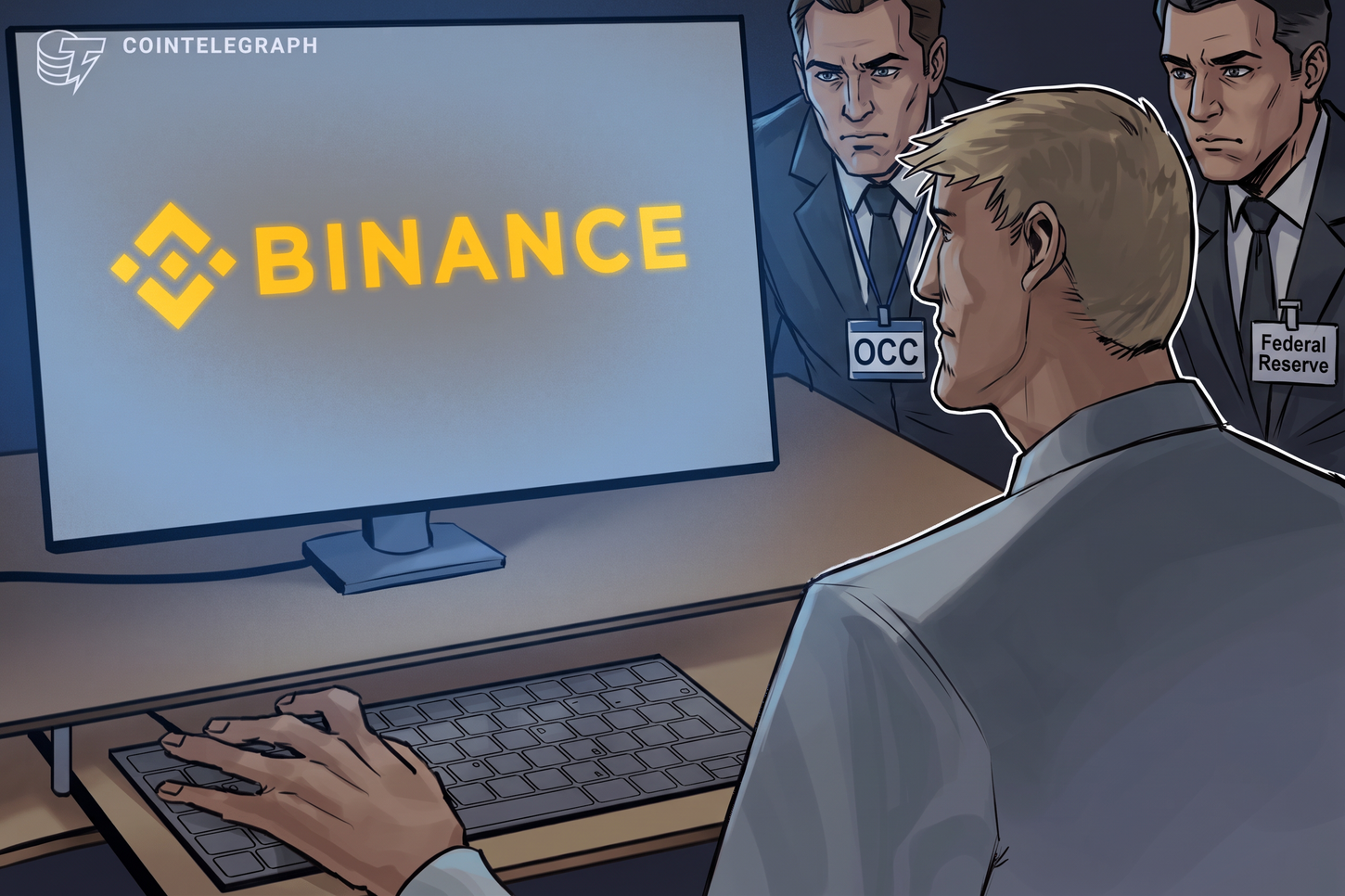
Fed, OCC check US banks after Binance hack as experts flag security risks
US regulators reportedly contacted banks following last week’s $6.3 billion Binance security hack, while experts raised concerns a...

Ukraine Central Bank Refuses to Back Crypto Bill Cleared for Second Reading
Bitcoin Magazine Ukraine Central Bank Refuses to Back Crypto Bill Cleared for Second Reading Ukraine’s central bank will not suppo...
Fed, OCC assess bank security risks following $6.3 billion Binance hack: Report
The Binance hack highlights the urgent need for enhanced regulatory oversight and security measures in the crypto industry, impact...

Elon Musk’s Grok AI Predicts a Parabolic BTC USD Move
Bitcoin (BTC) could be on the verge of one of the most extreme re-ratings in its history before January 1, 2027. Elon Musk’s Grok...

Paraguay Bank Crisis Sends USDT to 13% Premium After Ueno Freeze Hits 3M Customers
Key Takeaways: Bybit P2P listing also went about 13% cheaper than Paraguay’s official dollar rate in USDT. The failure of Ueno Ban...
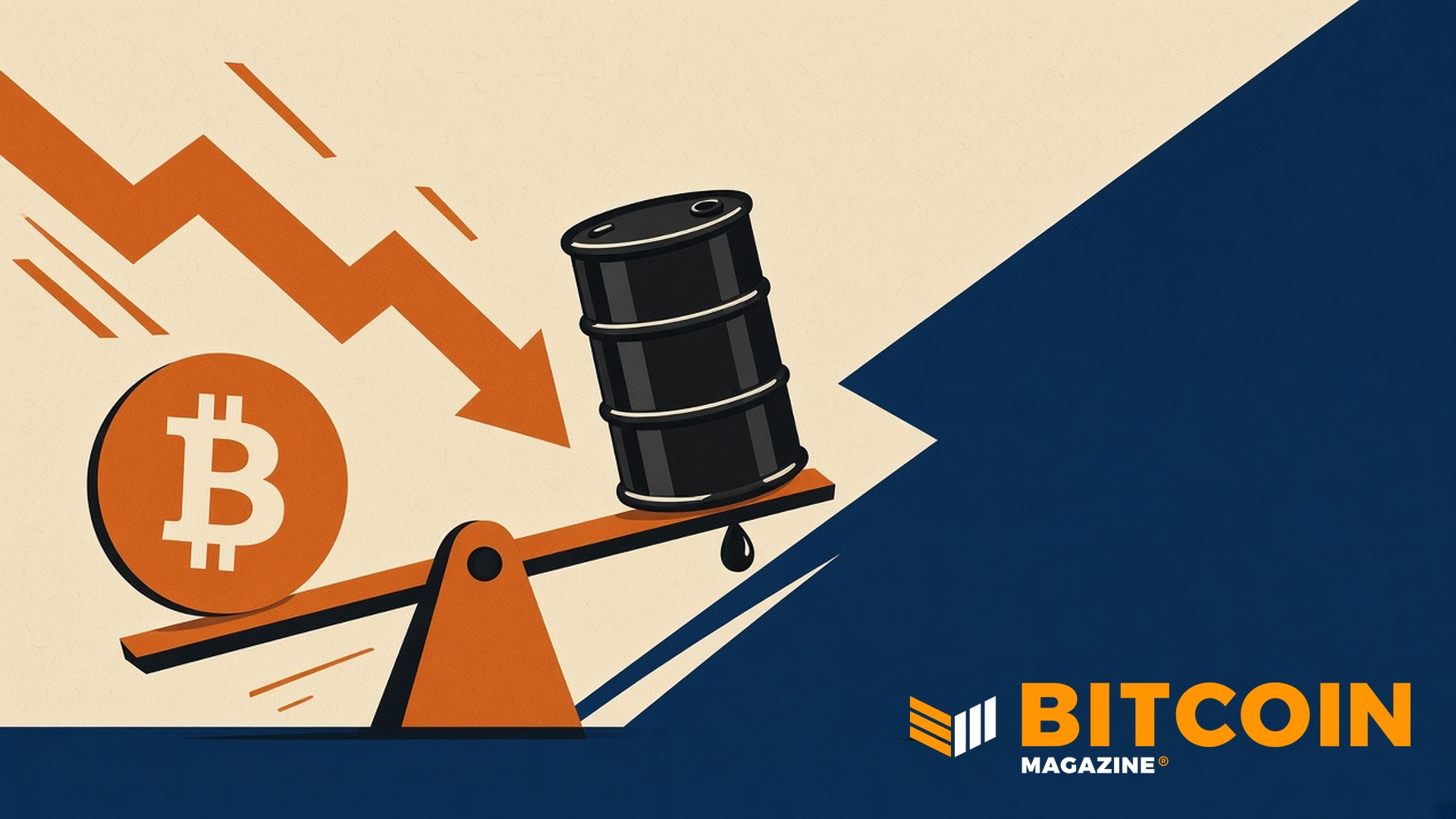
Bitcoin Price Trades Near $79,600 as Oil Rebounds and Bank of England Hikes Rates
Bitcoin Magazine Bitcoin Price Trades Near $79,600 as Oil Rebounds and Bank of England Hikes Rates Bitcoin price traded near $79,6...