Ethiopia Orders Banks to Reject Requests for Foreign Exchange to Buy ‘Non-Priority Products’
The Ethiopian government has instructed banks to reject requests for foreign currency to buy so-called non-priority products. The Ethiopian Minister of Industry Melaku Alebel Addis has defended the move, saying this will...
Archive context
Older archive item. Useful for background and entity history, but not a fresh market-moving signal.

The Ethiopian government has instructed banks to reject requests for foreign currency to buy so-called non-priority products. The Ethiopian Minister of Industry Melaku Alebel Addis has defended the move, saying this will allow local manufacturers to grow and become competitive. The restrictions are set to remain in force for an indefinite period.
Eliminating Pressure From Foreign ProductsThe Ethiopian government has reportedly instructed banks to reject requests for foreign currency to buy what the Ministry of Finance calls non-priority goods. In a letter to the country’s central bank, the ministry reportedly stated that banks must only approve requests for foreign exchange if the customer’s objective is to import food, medicines, or medical equipment. Foreign exchange should also be availed to importers of raw materials, the ministry reportedly said.
Justifying the seemingly protectionist policy, the Ethiopian Minister of Industry, Melaku Alebel Addis, suggested in a tweet that the latest forex restrictions are necessary because they give local products a chance. Addis insisted that countries with well-developed industries were only able to achieve this feat firstly by limiting or eliminating the pressure from foreign products.
Ethiopians’ Worsening Forex WoesThe second step, according to the minister, was the introduction of “their products to the world market and competing.” Addis ends the tweet by urging local manufacturers to take advantage of the policy change. He said:
You must take advantage of this opportunity.
According to an AFP report, some of the products and imports affected by the latest government foreign exchange conservation measures include motor vehicles, alcoholic drinks like wine and whiskey, artificial jewelery, perfumes, and cigarettes.
The Ethiopian government, which has waged a bloody war against rebels in the country’s Tigray province, faces ongoing shortages of foreign exchange. At the same time, the gap between the local currency’s official and black market exchange rates has widened to a record high.
To counter the foreign exchange shortages as well as the Ethiopian birr’s depreciation, the country’s central bank — National Bank of Ethiopia — announced in September that it had revised downwards the amount of foreign exchange and local currencies Ethiopian travelers can take outside the country. Before that, the central bank had also advised against trading cryptocurrencies.
Meanwhile, according to Addis, his government’s latest forex restrictions are set to remain in force for an indefinite period.
Register your email here to get a weekly update on African news sent to your inbox:
What are your thoughts on this story? Let us know what you think in the comments section below.
Why this matters
This cryptocurrency story adds another data point to the current market tape and is useful when read alongside nearby source coverage.
Original source
Read on Bitcoin NewsRelated market context

Think Bigger!! Schwartz Calls for Higher XRP Price as 37 European Banks Embrace Ripple
David Schwartz has delivered a fresh bullish message to frustrated XRP holders, saying that a higher price could make the network...

Backed by $80 Million, Alta is Building the Infrastructure to Bring Global Banking Onchain
San Francisco, CA, USA, November 10th, 2026, Chainwire New funding will advance institutional-grade blockchain infrastructure buil...

37 European Banks Back Qivalis Euro Stablecoin in €450M Market Expansion
Key Takeaways: Qivalis has obtained the authorization from the Dutch regulatory authorities to issue electronic money in Europe. T...

Goldman, Citi and Other Banks Reportedly Fund $270 Million Stablecoin Initiative
The stablecoin venture that 21 financial firms unveiled in September has about $270 million in commitments from its backers, with...

Alta raises $47.5M Series A to build a compliance-first blockchain for banks
Alta's compliance-focused blockchain could redefine financial transactions, enhancing regulatory adherence and efficiency in globa...
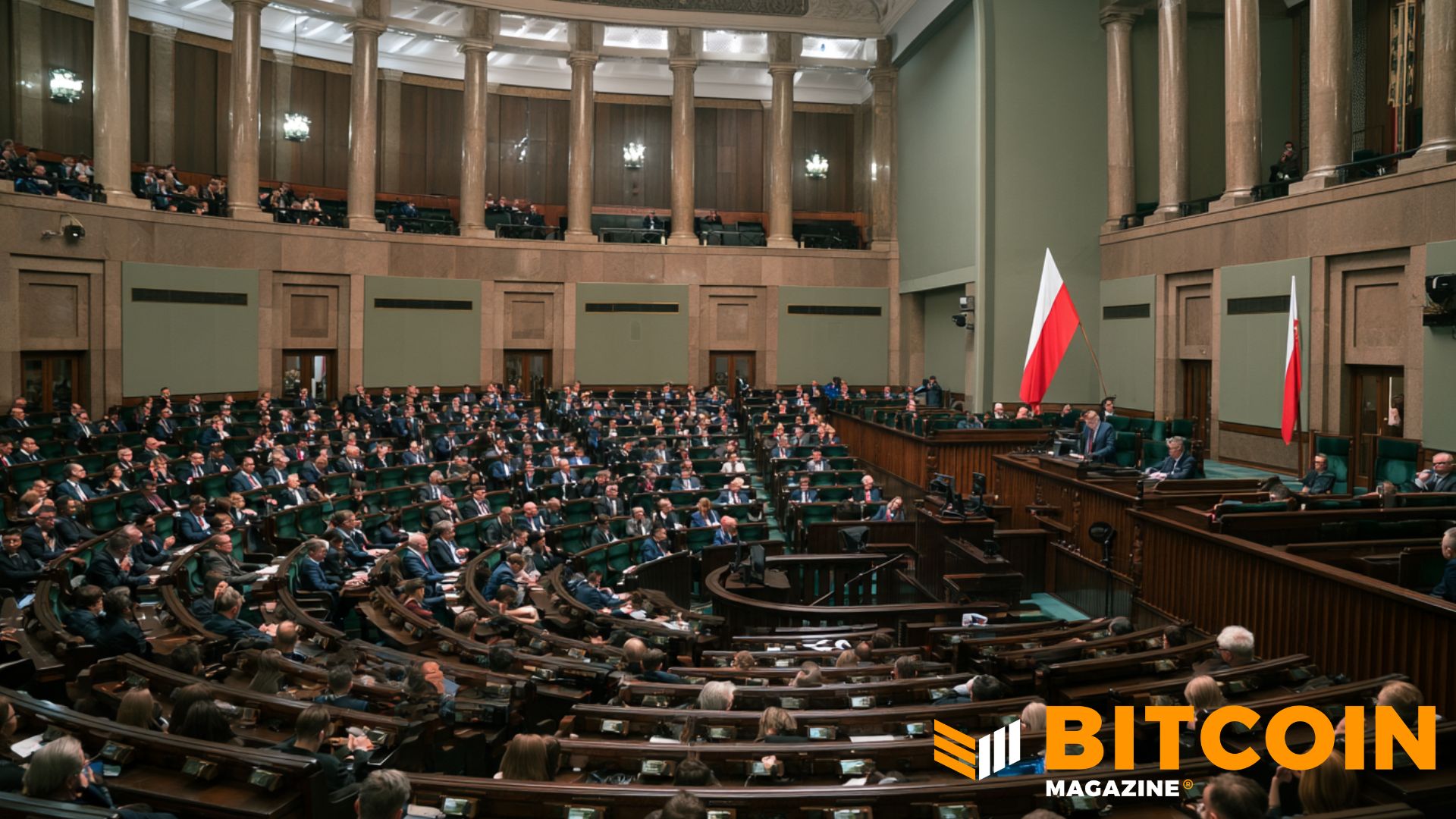
Poland’s Parliament Votes 240-202 to Let Officials Freeze Crypto Before Court Review
Bitcoin Magazine Poland’s Parliament Votes 240-202 to Let Officials Freeze Crypto Before Court Review Poland’s lower house of parl...