Fed Governor Addresses The Risks Of CBDC in the US
The Fed Governor is addressing the risks of CBDC in the US, and the authority is especially talking about security and privacy. Check out the latest reports about the matter here. CBDC in the US – potential risks Federal...
Archive context
Older archive item. Useful for background and entity history, but not a fresh market-moving signal.

The Fed Governor is addressing the risks of CBDC in the US, and the authority is especially talking about security and privacy. Check out the latest reports about the matter here.
CBDC in the US – potential risksFederal Reserve Bank governor Michelle Bowman stated the fact that the use case for a central bank digital currency (CBDC) in the US remains unclear.
In a new roundtable speech at Harvard, she made sure to explain the fact that there may be alternatives to CBDCs that already solve the same issues that a digital dollar purports to address.
“It is quite possible that other proposed solutions may address many or all of the problems that a CBDC would address, but in a more effective and efficient way.”
She continued and said the following:
“Further, the potential benefits of a U.S. CBDC remain unclear, and the introduction of a U.S. CBDC could pose significant risks and tradeoffs for the financial system. These risks and tradeoffs include potential unintended consequences for the U.S. banking system and considerable consumer privacy concerns.”
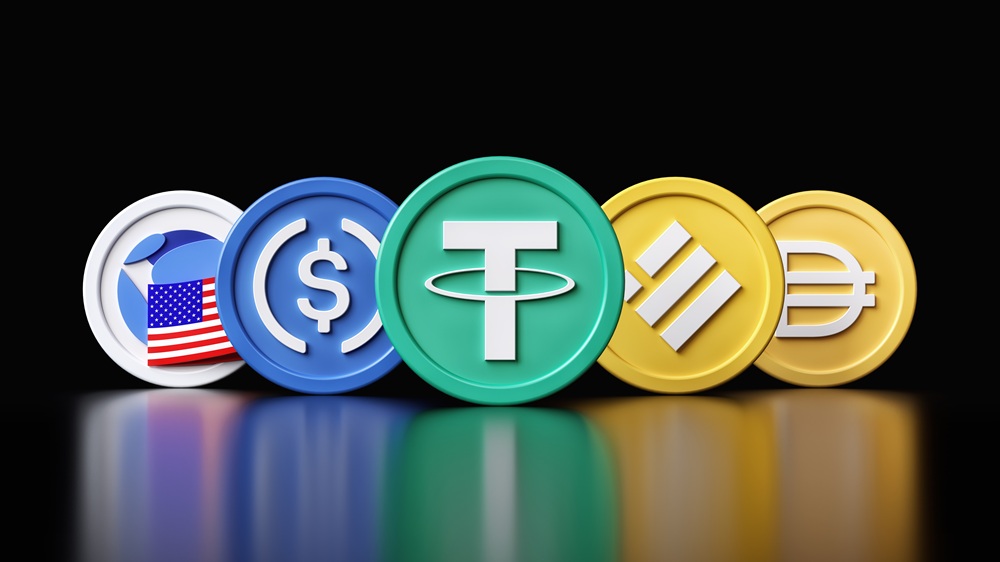
Stablecoins, which are dollar-pegged cryptos, have been proposed as a viable alternative to Central Bank Digital Currencies (CBDCs).
However, according to Bowman, they also present risks to the US financial system as they are less regulated and have been unstable in the past.
Therefore, she advises that stablecoins and CBDCs should both be approached with caution.
Even though stablecoins claim to have a one-to-one convertibility with the dollar, they have been less secure, less stable, and less regulated than traditional forms of money.
Although they were mainly created to support crypto-asset trading, they have increasingly been suggested as an alternative payment method and store of value.
It is also important to mention the fact that the use of digital assets, including stablecoins, as an alternative to money and payment, could potentially pose risks to consumers and the US banking system.
Check out the complete speech to see what more she had to say about the subject.
Why this matters
This cryptocurrency story adds another data point to the current market tape and is useful when read alongside nearby source coverage.
Original source
Read on CryptoGazetteRelated market context

Bank of England Opens Tokenized Collateral Door With 2027 Deadline for UK Clearing
Key Takeaways: The Bank of England is seeking input on tokenized collateral for central clearing. All tokenizable assets must be e...

Shopify’s Base USDC Checkout Puts Stablecoins Into Mainstream E-Commerce
TL;DR: The case study referenced more than $42 million of net settled payments and over 448,000 payments on the underlying Commerc...

Binance Details $6.3B Hot-Wallet Breach as Exchange Pledges to Cover Losses
TL;DR: The company reported approximately $3 billion of affected assets frozen on-chain through coordination with issuers, investi...

Chainalysis Finds $443B MENA Crypto Economy as UAE Growth Outpaces Region
TL;DR: The United Arab Emirates was reported to have grown 32% to about $104.8 billion, while Türkiye remained larger at around $1...

Chainlink Launches CustodySync With Anchorage to Link Custody and DeFi Loans
TL;DR: Chainlink describes a workflow spanning collateral deposit, borrowing, repayment and liquidation. Keeping assets in custody...
Tether-Backed FASE Foundation Targets Scams and Stablecoin Aid
TL;DR: Named founding stakeholders include Anchorage Digital, Bybit, Chainalysis, Payward, Opera and the Solana Foundation; the Un...