Future Of Finance – Federal Reserve Explores CBDCs
It has been just revealed that having a taste of the future of finance, the Federal Reserve is exploring CBDCs. Check out the latest reports about the matter below. CBDCs are explored by the Federal Reserve The US Federa...
Archive context
Older archive item. Useful for background and entity history, but not a fresh market-moving signal.
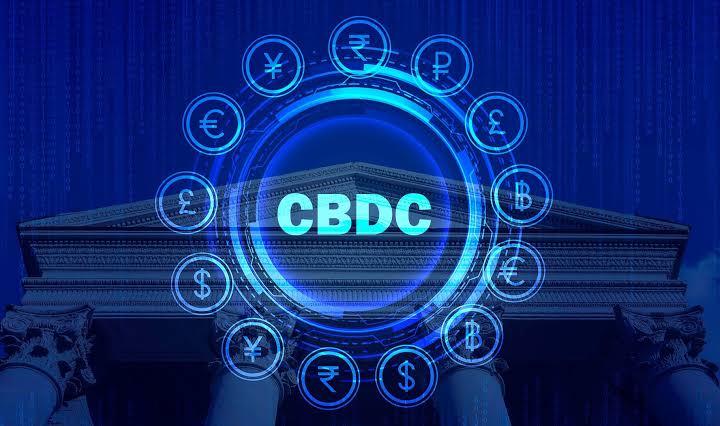
It has been just revealed that having a taste of the future of finance, the Federal Reserve is exploring CBDCs. Check out the latest reports about the matter below.
CBDCs are explored by the Federal ReserveThe US Federal Reserve is making progress in the promising area of CBDCs (Central Bank Digital Currencies). The goal is to redefine financial ecosystems and improve the ease of use of digital transactions.
Fintech innovators recognize the benefits, but also understand that the conversation around CBDCs is not one-sided. CBDCs combine traditional financial trust with modern technological convenience.
For the fintech sector, this presents an opportunity to integrate more seamlessly with mainstream financial systems.
A recent study by the Monetary and Economic Department at the Bank for International Settlements indicates that CBDCs are gaining popularity among global central banks.
CBDCs can help stabilize the volatile crypto space and replace paper money as its use decreases.
The changing landscape of the financial world has created opportunities for innovation and the development of new products.
To make sure that everyone is informed and onboard, the Federal Reserve is requesting input from the public. They are following global best practices by providing channels for public opinions.
The emergence of CBDCs has sparked lively conversations among lawmakers, economists, and everyday people.
Those who are advocating for more oversight view it as a way to ensure fairness, keep consumers safe, and prevent unethical activities.
There are two schools of thought when it comes to implementing regulations for the use of digital currencies.
One group believes that too many rules could stifle innovation and hinder the growth of new technologies and applications in the digital currency space.
On the other hand, there are those who warn that without proper regulations, the rollout of central bank digital currencies (CBDCs) could lead to abuse of power.
Balancing the need for innovation and regulation is a delicate act, and it’s becoming clear that international rules might be the key to preventing misuse of power.
Although the government has a significant role to play in maintaining financial stability and integrity, it should not be solely responsible.
Why this matters
This cryptocurrency story adds another data point to the current market tape and is useful when read alongside nearby source coverage.
Original source
Read on CryptoGazetteRelated market context

Bitcoin Whitepaper Turns 18: How Satoshi’s 9-Page Vision Reshaped Global Finance
Key Takeaways: On October 31, 2008, the Bitcoin whitepaper was published by Satoshi Nakamoto, which outlines a peer-to-peer electr...

Bank of England Opens Tokenized Collateral Door With 2027 Deadline for UK Clearing
Key Takeaways: The Bank of England is seeking input on tokenized collateral for central clearing. All tokenizable assets must be e...

Tether Q3 Profit Hits $1.5B While USDT Reserve Buffer Nearly Doubles to $8B
Key Takeaways: In Q3, Tether achieved an operating profit of $1.5 billion. Reserve assets rose to almost $8 billion. U.S. Treasury...
Bitcoin’s Rebound Drove Most of Tether’s $3.8 Billion Reserve Recovery
Tether held $7.95 billion more in reserves than it owed USDT holders on Sept. 30, up about $3.85 billion from the end of June, the...

Doomberg: US Treasury Sanctions are “Wildly Bullish” for Bitcoin & Gold
▶Bitcoin Magazine Doomberg: US Treasury Sanctions are “Wildly Bullish” for Bitcoin & Gold What happens to reserve assets when you’...

Uniswap Opens TJAR Fee Conversion Beyond Protocol as Robinhood Joins
TL;DR: Searchers compete to exchange the chosen payout token for assets accumulated in the jar. Open searcher competition does not...