IMF Blog: Interest Rates to Fall to Pre-Pandemic Levels Once Inflation Is Tamed
When inflation in advanced economies is tamed, real interest rates are likely to drop to pre-pandemic levels, the latest International Monetary Fund (IMF) blog post has said. According to the authors of the blog post, th...
Archive context
Older archive item. Useful for background and entity history, but not a fresh market-moving signal.
When inflation in advanced economies is tamed, real interest rates are likely to drop to pre-pandemic levels, the latest International Monetary Fund (IMF) blog post has said. According to the authors of the blog post, the transition to a “cleaner economy in a budget-neutral way” could result in lower rates in the medium term.
Recent Interest Rate Hikes TemporaryInterest rates in advanced economies are likely to fall to pre-pandemic levels when authorities succeed in bringing inflation back under control, the latest International Monetary Fund (IMF) blog post has suggested. The blog post added that the “recent increases in real interest rates are likely to be temporary.”
The return of real interest rates to levels seen before the spread of Covid-19 will also coincide with the easing of the respective countries’ monetary policy regimes. As has been reported by Bitcoin.com News, central banks from advanced economies have raised benchmark rates as they seek to tame inflation. The rising interest rates have sparked fears that the global economy may be headed for a recession.
However, in their April 10 blog post, the authors claimed a transition to a green economy may potentially lead to lower real interest rates globally:
Transitioning to a cleaner economy in a budget-neutral way would tend to push global natural rates lower in the medium term, as higher energy prices (reflecting a combination of taxes and regulations) would bring down the marginal productivity of capital. However, deficit-financing of public investment in green infrastructure and subsidies could potentially offset and even reverse this result.
The authors also suggested that so-called deglobalization forces could intensify and this may result in both “trade and financial fragmentation.” According to the authors, this outcome is likely to result in driving up the natural rate in advanced economies and down in emerging markets economies.
What are your thoughts on this story? Let us know what you think in the comments section below.
Why this matters
This cryptocurrency story adds another data point to the current market tape and is useful when read alongside nearby source coverage.
Original source
Read on Bitcoin NewsRelated market context

How Fed Interest Rates Affect Crypto
Bitcoin can move before a rate decision as expectations shift. The surprise and the Fed’s message about future policy can matter m...
Bitcoin Price Trades Near $79,600 as Oil Rebounds and Bank of England Hikes Rates
Bitcoin Magazine Bitcoin Price Trades Near $79,600 as Oil Rebounds and Bank of England Hikes Rates Bitcoin price traded near $79,6...

Bitcoin faces $70,000 risk as investors realize $2 billion in losses and US jobs shock deepens pressure
Bitcoin holders realized more than $2 billion in losses over three days as exchange selling intensified and expectations of a US r...

Core Scientific sells 816 BTC, holds just 32 BTC as AI pivot accelerates
Core Scientific's shift from Bitcoin mining to AI infrastructure highlights a broader industry trend towards diversification and t...
Bitcoin Futures Open Interest Drops to $52 Billion as Traders Retreat
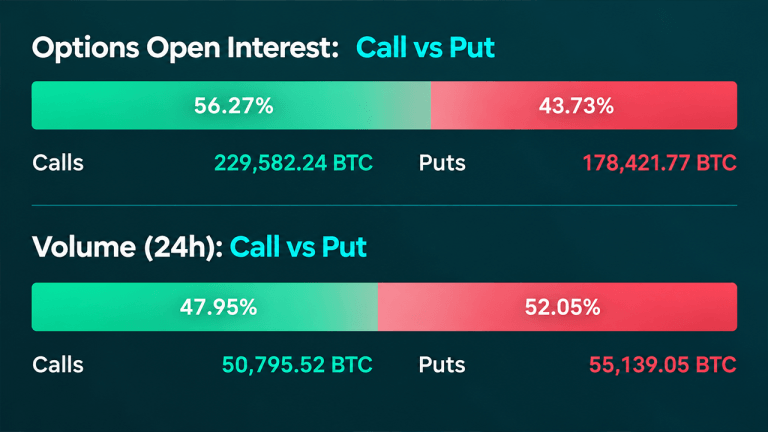
Bitcoin futures open interest fell 1.88% to $52.04 billion as the leading crypto asset declined nearly 5% to $75,783 on Friday, No...

Bitcoin falls below pre-election levels amid AI stock slump
Bitcoin's decline highlights its vulnerability to tech market trends, suggesting a shift in investor sentiment towards risk aversi...