IMF: We Need a Lot More Work Done on Crypto Regulation
The International Monetary Fund (IMF) says a lot more work needs to be done on crypto regulation. “We’ve certainly seen an increase in the use of cryptocurrencies before this war, and we’ve seen it happen more in emergin...
Archive context
Older archive item. Useful for background and entity history, but not a fresh market-moving signal.
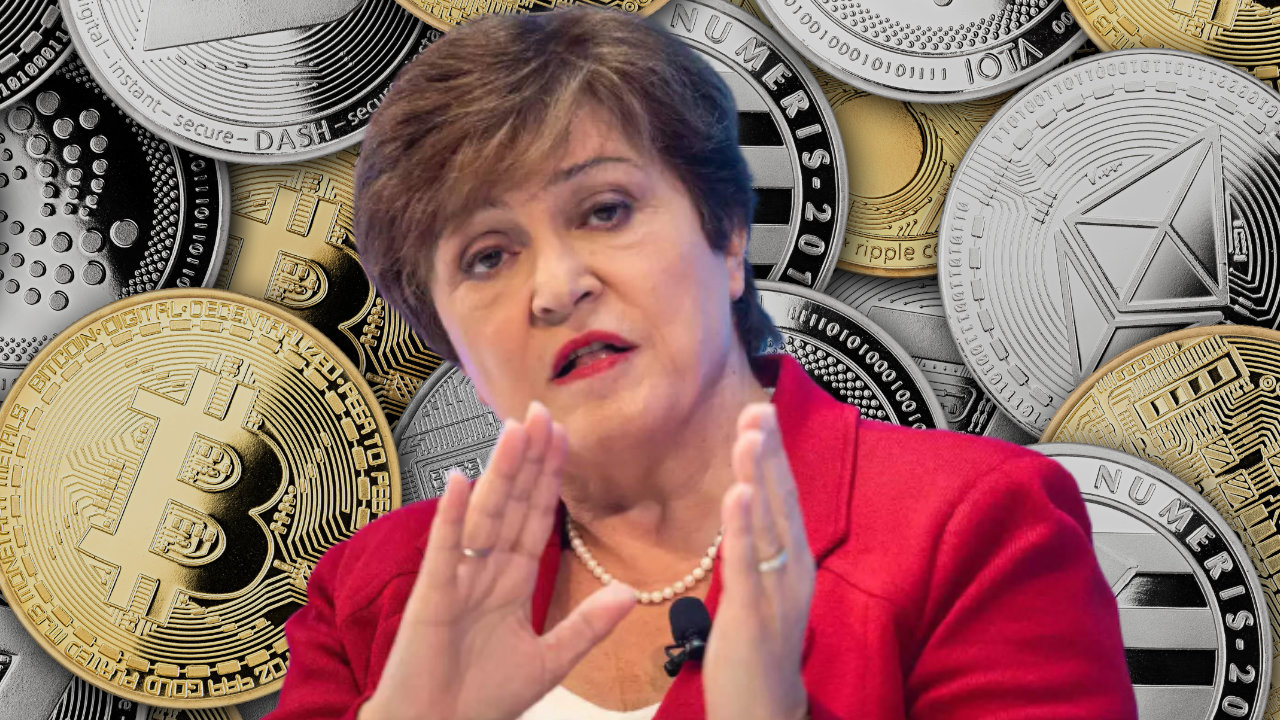
The International Monetary Fund (IMF) says a lot more work needs to be done on crypto regulation. “We’ve certainly seen an increase in the use of cryptocurrencies before this war, and we’ve seen it happen more in emerging markets than in others,” said the deputy managing director of the IMF.
The top two leaders at the International Monetary Fund (IMF) discussed crypto regulation on the Foreign Policy Live podcast, published last week. IMF Managing Director Kristalina Georgieva and Deputy Managing Director Gita Gopinath were asked how governments should respond to the growing number of challenges facing the global economy, including cryptocurrency.
Georgieva explained that the IMF separates digital assets into three types: “crypto assets like bitcoin,” stablecoins, and central bank digital currencies (CBDCs). Regarding crypto assets, she said:
Time has passed to have regulatory frameworks that are as much as possible harmonized around the world.
“And I do hope that what we now see that there may be more attention to this topic translate into appropriate policy action,” Georgieva added.
As for stablecoins that are “backed by assets,” the IMF chief said, “if they’re properly regulated, they can play a very positive role.”
Georgieva further noted that a key role for the IMF is “to build tunnels that connect these different CBDCs to make that fragmentation less damaging for the world economy or even minimize it.”
Gopinath, an Indian-American economist, has served as the IMF’s first deputy managing director since Jan. 21 this year. She was the IMF’s chief economist between 2019 and 2022.
Commenting on crypto adoption, she said:
We’ve certainly seen an increase in the use of cryptocurrencies before this war, and we’ve seen it happen more in emerging markets than in others.
Gopinath added: “I think parts of the world where there’s less financial inclusion, where people have less access to more regular forms of credit, cryptocurrency and other related forms of digital currencies can start playing a very important role.”
Regarding how much more crypto is being used due to the Russia-Ukraine war, the IMF deputy managing director admitted: “We don’t really have a clear picture at this time of how much of this particular war has triggered an increase in the use of cryptocurrencies, it’s not an easy picture to put together.” However, she noted: “But we are tracking this very closely, and I think in terms of the implications for the global economic order, I think that it’s fair to say that the recent events will accelerate consideration of central bank digital currencies more widely around the world.”
Gopinath continued, “We need to be particularly careful of the regulation that’s needed to ensure that the new forms of digital money don’t lead to evasion of capital risk flow restrictions, especially for emerging and developing economy,” concluding:
I think we need to have a lot more work done on the regulatory front on crypto and digital money.
What do you think about the comments by the IMF’s top leaders? Let us know in the comments section below.
Why this matters
This cryptocurrency story adds another data point to the current market tape and is useful when read alongside nearby source coverage.
Original source
Read on Bitcoin NewsRelated market context
Russia’s Central Bank to Let Retail Investors Trade Bitcoin on Margin
Bitcoin Magazine Russia’s Central Bank to Let Retail Investors Trade Bitcoin on Margin Russia’s central bank plans to let ordinary...

MEXC’s Hacken-Audited November 2026 Proof of Reserves Shows Reserve Ratios Above 100% Across Major Assets
Mutsamudu, Comoros, November 19, 2026 – MEXC, a pioneer in 0-fee digital asset trading, has released its November 2026 Proof of Re...

XRP Has an Institutional Edge, But Garlinghouse Believes Wall Street Is Pulling Liquidity Away
The XRP price is struggling to take advantage of institutional credibility for the ledger. Ripple CEO Brad Garlinghouse has anothe...

Rep. Steven Horsford says crypto’s upside must reach working families and small businesses
Horsford's push for equitable crypto tax policies could democratize digital asset benefits, fostering broader economic inclusion a...

Institutions Holding ETH, SOL or HYPE Can Now Borrow Up to Five Years at a $4 Billion Lender
Institutional lender Two Prime will now take seven assets besides bitcoin as loan collateral, the firm announced on Wednesday, Nov...

Abu Dhabi Ruling Gives Binance a Legal Path to Reclaim Billions Frozen in Its Hack
Binance has obtained a court order from the Abu Dhabi Global Market (ADGM) Courts that it says will help it get back crypto frozen...