Indonesia Introducing New National Payment System to Protect Against ‘Geopolitical Consequences’
Indonesia is introducing a new national payment system as the country furthers its de-dollarization efforts and protection against “possible geopolitical consequences.” The new payment system will replace Visa and Master...
Archive context
Older archive item. Useful for background and entity history, but not a fresh market-moving signal.

Indonesia is introducing a new national payment system as the country furthers its de-dollarization efforts and protection against “possible geopolitical consequences.” The new payment system will replace Visa and Mastercard in state-owned institutions and companies, a top central bank official said. “We expect that very soon it will become widespread.”
Indonesia Establishes New National Payment SystemIndonesia will introduce a new national payment system that will replace Visa and Mastercard in state-owned institutions and companies, according to Dicky Kartikoyono, Bank Indonesia’s Head of Strategic Management and Governance Department. The central bank official was quoted by CNBC as saying Monday:
In accordance with the president’s plan, the transition to our national payment system is proceeding smoothly. We expect that very soon it will become widespread, including within state-owned enterprises.
The central banker explained that Indonesia’s decision to create its own payment system is “very timely,” emphasizing that Southeast Asian countries should establish “a safety cushion that will protect businesses and ordinary citizens” from increasing financial uncertainty in the West.
In March, Indonesian President Joko Widodo urged regional authorities to use credit cards developed by local banks instead of global financial conglomerates as a measure to shield transactions against any “possible geopolitical consequences.”
Dodit Proboyakti, a board member of the Indonesian Credit Cards Association, told Sputnik publication that Indonesia will apply what it learns from Russia’s experiences with its Mir payment system to its own payment system. The Russian government-backed Mir payment system gained much popularity after Western nations imposed heavy sanctions on Russia in response to its invasion of Ukraine.
Bank Indonesia Governor Perry Warjiyo recently said that Indonesia is following the BRICS economic bloc’s de-dollarization lead by diversifying its currency usage through the implementation of the local currency system. He noted that Indonesia has also made agreements with several nations to use local currencies in trade, including Thailand, Malaysia, China, and Japan.
Besides Indonesia, nine other Southeast Asian countries (Brunei, Cambodia, Laos, Malaysia, Myanmar, Philippines, Singapore, Thailand, and Vietnam) recently agreed to “encourage the use of local currencies for economic and financial transactions.” The 10 countries are members of the Association of Southeast Asian Nations (ASEAN).
Meanwhile, the BRICS leaders plan to discuss a common currency at their upcoming leaders’ summit. The BRICS nations comprise Brazil, Russia, India, China, and South Africa. Many people believe that a BRICS currency will erode the U.S. dollar’s dominance.
What do you think about Indonesia setting up a national payment system to reduce the country’s reliance on Western countries? Let us know in the comments section below.
Why this matters
This cryptocurrency story adds another data point to the current market tape and is useful when read alongside nearby source coverage.
Original source
Read on Bitcoin NewsRelated market context
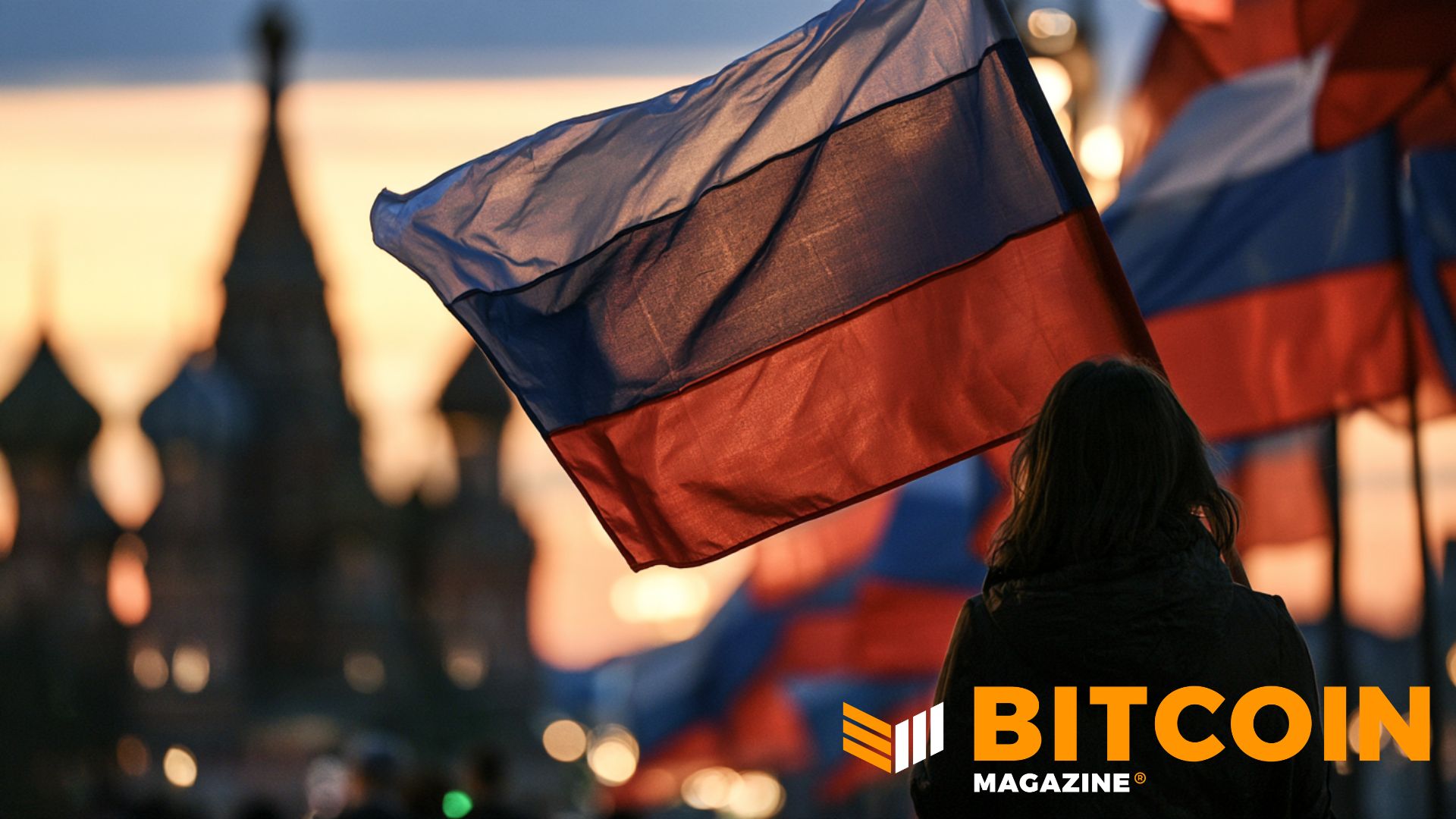
U.S.-Sanctioned Moscow Exchange Will List Bitcoin on Dec. 1 as Russia Pulls Crypto Trading Home
Bitcoin Magazine U.S.-Sanctioned Moscow Exchange Will List Bitcoin on Dec. 1 as Russia Pulls Crypto Trading Home Moscow Exchange,...
National Bank of Ukraine opposes crypto legalization bill over sovereignty concerns
The NBU's opposition highlights the tension between embracing innovation and maintaining control over national financial systems,...

UstarPay taps BitGo Bank & Trust to custody assets behind its crypto payment cards
The partnership enhances security and regulatory oversight in crypto payments, potentially boosting user trust and market adoption...
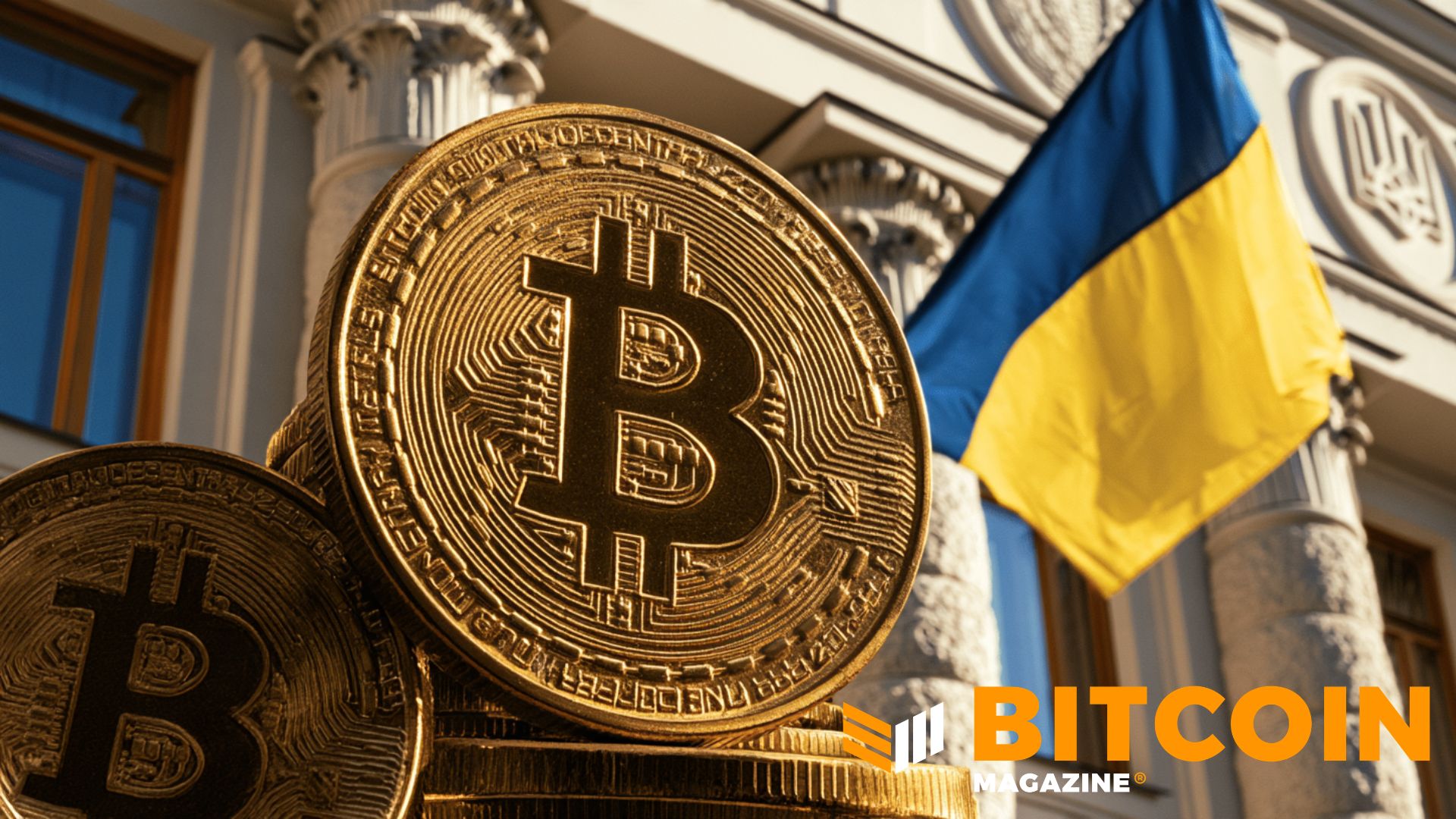
Ukraine Central Bank Refuses to Back Crypto Bill Cleared for Second Reading
Bitcoin Magazine Ukraine Central Bank Refuses to Back Crypto Bill Cleared for Second Reading Ukraine’s central bank will not suppo...
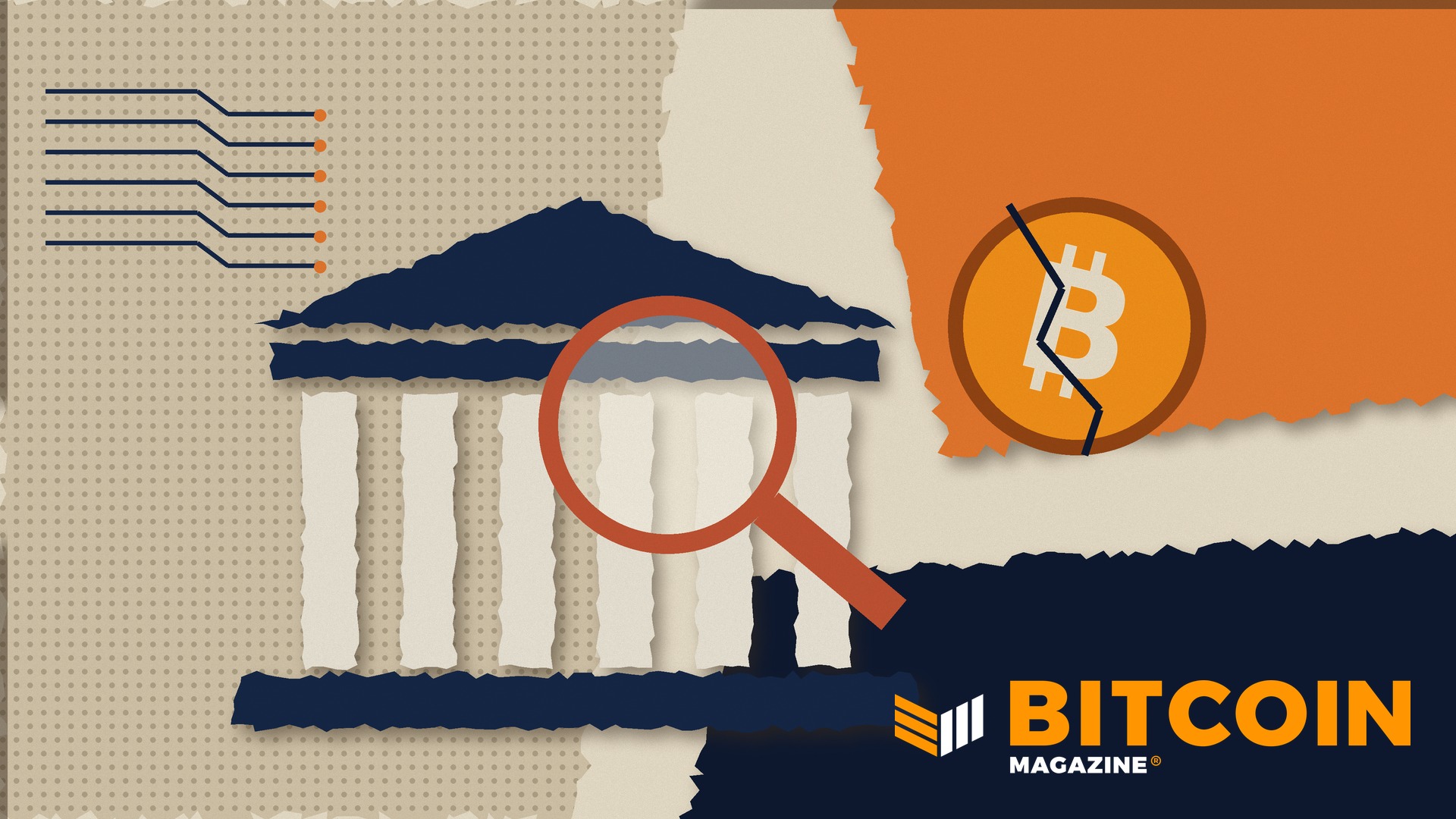
Fed and OCC Quiz U.S. Banks After $6.3 Billion Binance Hack
Bitcoin Magazine Fed and OCC Quiz U.S. Banks After $6.3 Billion Binance Hack U.S. bank regulators contacted banks this week to che...

Paraguay Bank Crisis Sends USDT to 13% Premium After Ueno Freeze Hits 3M Customers
Key Takeaways: Bybit P2P listing also went about 13% cheaper than Paraguay’s official dollar rate in USDT. The failure of Ueno Ban...