IOSCO and BIS Call for ‘Same Risk, Same Regulation’ for Stablecoins
IOSCO, a global body for securities regulators, and a committee at the Bank for International Settlements (BIS) published guidance on Wednesday, stating when existing payments regulations should apply to stablecoins. The...
Archive context
Older archive item. Useful for background and entity history, but not a fresh market-moving signal.
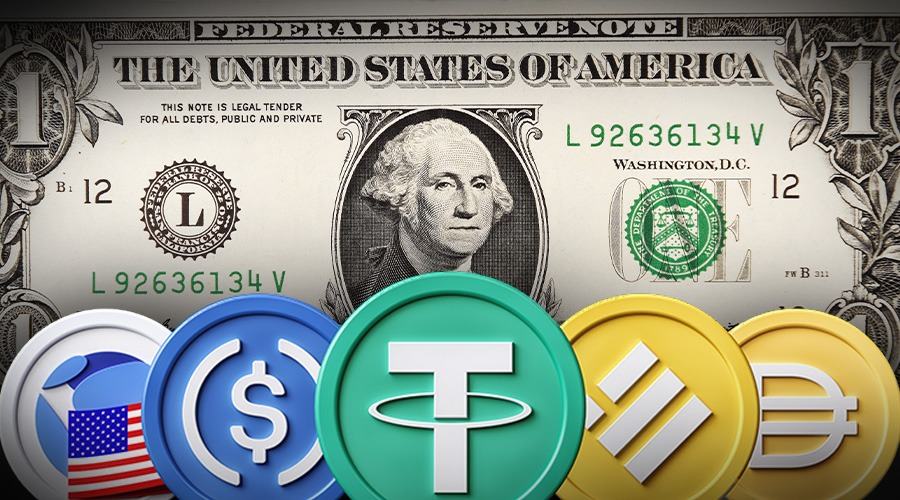
IOSCO, a global body for securities regulators, and a committee at the Bank for International Settlements (BIS) published guidance on Wednesday, stating when existing payments regulations should apply to stablecoins.
The guidance makes a major step toward applying 'same risk, same regulation' on stablecoins, which are used for payments.
“Recent developments in the cryptoasset market have again brought urgency for authorities to address the potential risks posed by cryptoassets, including stablecoins more broadly,” said Sir Jon Cunliffe, the Chair of the CPMI and Deputy Governor for Financial Stability at the Bank of England.
Indeed, the crypto market is going through turmoil, not only because of bearish price trends but also because of the collapse of several high-flying businesses. TerraUSD, an algorithmic stablecoin, collapsed first and then several crypto lenders and brokerages.
“The recent market disruptions, while costly for many, were not systemic events… Such events could become systemic in the future, especially given the strong growth in these markets and the increasing linkages between crypto-assets and with traditional finance,” Sir Cunliffe added.
Advantages of StablecoinsThe two global financial industry bodies also acknowledged the advantages of stablecoins over the existing financial market infrastructure. On top of that, these prompted the guidance to elaborate on governance, risk management, settlement finality and money settlements.
“Our risk management, governance and transparency standards for existing financial market infrastructures are stringent. We expect the same level of robustness and strength in these aspects in systemically important stablecoin arrangements,” said Ashley Alder, the Chair of the IOSCO and the future Chair of the United Kingdom’s FCA.
The guidance stressed the risks of stablecoins’ interaction with cryptos and decentralized finance (DeFi) protocols, which could lead to a “fragmented and fragile monetary system.”
Now, the two bodies called for cooperation between central banks and other authorities to bring strong regulations for the stablecoins.
This article was written by Arnab Shome at www.financemagnates.com.Why this matters
This cryptocurrency story adds another data point to the current market tape and is useful when read alongside nearby source coverage.
Original source
Read on Finance MagnatesRelated market context

AI Tops Fed Survey of Financial Risks—Why Crypto Investors Should Pay Attention
AI has become the most frequently cited financial-stability risk in a survey published with the Federal Reserve’s latest report, b...

Griffin Raises $20M to Bring Stablecoin Payments and Card Issuing to Its Banking Platform
Key Takeaways: Griffin raised $20 million in a Series B round at a valuation exceeding $100 million. The UK’s bank is set to intro...

Trump Taps Four SEC and CFTC Nominees in Major U.S. Crypto Regulation Reset Bid
Key Takeaways: President Trump has appointed four people to three vacant positions at the SEC and CFTC. Among the picks are former...

Czech National Bank issues its first bonds on a blockchain ledger
The Czech National Bank's blockchain bond issuance could revolutionize financial markets by enhancing transaction speed and reduci...

BitMine chairman Tom Lee links AI selloff and Anthropic IPO to crypto pressure
The convergence of AI market volatility, IPO cash demands, and crypto hacks highlights the interconnectedness of modern financial...
Deutsche Bank Crypto Custody Goes Live for Paying Clients
The European service supports bitcoin, ether and three stablecoins. Stablecoin conversion and tokenized financial instruments rema...