Leveraged ETFs explained: How do they work?
Leveraged ETFs in crypto use borrowed funds or derivatives to amplify returns, but their daily rebalancing and higher risks make them most suitable for short-term traders.
Archive context
Older archive item. Useful for background and entity history, but not a fresh market-moving signal.
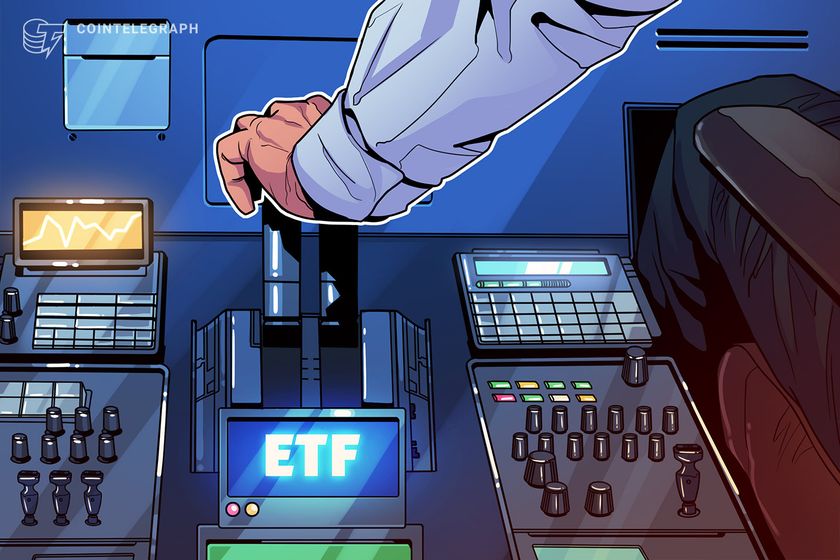
Leveraged ETFs in crypto use borrowed funds or derivatives to amplify returns, but their daily rebalancing and higher risks make them most suitable for short-term traders.
Why this matters
This cryptocurrency story adds another data point to the current market tape and is useful when read alongside nearby source coverage.
Original source
Read on CointelegraphRelated market context

Bitcoin (BTC) Price Prediction: BlackRock’s $663M ETF Inflow Reverses October Outflows—Can BTC Break the $90K Barrier?
The development offered a fresh bullish signal as Bitcoin traded within $81.185–$82,954, although questions remain about whether d...

Kalshi Pushes Deeper Into Crypto Derivatives With Bitcoin-Backed Margin Loans
Bitcoin Magazine Kalshi Pushes Deeper Into Crypto Derivatives With Bitcoin-Backed Margin Loans Kalshi is doubling down on its bid...
Bitcoin ETFs Post Their Best Day in Nearly a Month as BlackRock Does All the Buying
U.S. spot Bitcoin ETFs took in $526.7 million on Monday, their biggest day since Sept. 22. BlackRock's IBIT supplied all of it whi...

Ripple urges SEC to finalize crypto assets framework for XRP clarity
Ripple's push for SEC clarity could reshape crypto regulation, influencing market dynamics and potentially boosting XRP's future v...

What Is a Bitcoin-Backed Loan? Borrowing Against BTC Explained
Bitcoin-backed loans let holders borrow cash or stablecoins without selling BTC. Here's how collateral, LTV and liquidations work.

Grayscale expands in-kind subscriptions to 10 crypto ETFs and trusts
Grayscale expands in-kind subscriptions to 10 crypto funds, letting eligible investors swap tokens for shares without selling for...